
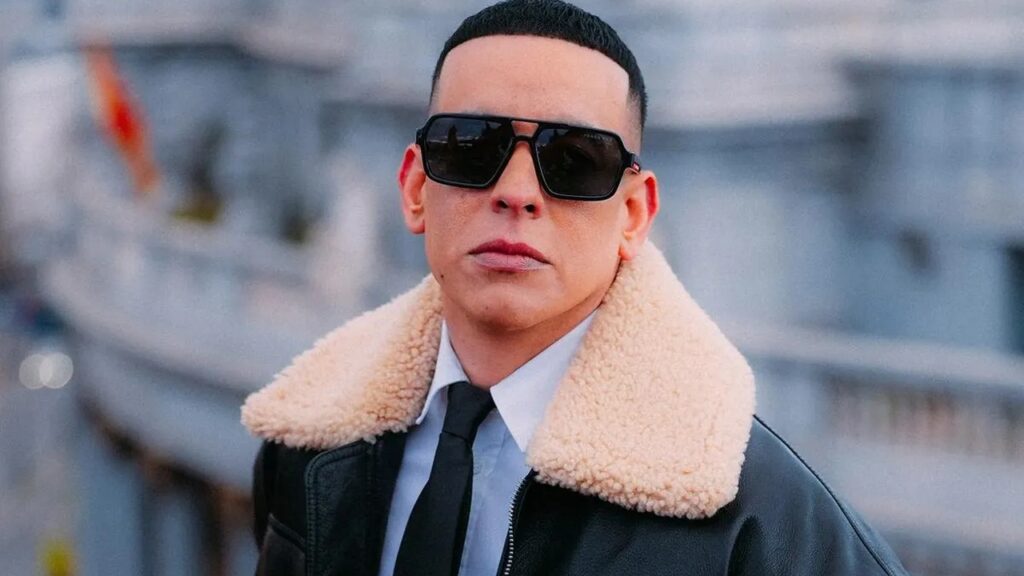
Daddy Yankee is 49 years old in 2026, although the precise answer changes if someone is checking a date before February 3. Born in Puerto Rico on February 3, 1977, the artist grew from an underground reggaeton performer into one of Latin music’s defining global figures. That timeline is why a simple age search often leads to questions about his songs, family, career milestones, and retirement.
For readers interested in Daddy Yankee’s age, birthday, and life story in 2026, the facts become clearer when they are tied to real dates rather than rumors. His path includes Barrio Fino, “Gasolina,” major collaborations with Luis Fonsi, and a highly public farewell era. The number is simple; the story behind it is much bigger.
Daddy Yankee’s Exact Age in 2026
Daddy Yankee is 49 years old in 2026 from February 3 onward. Because he was born on February 3, 1977, he was 48 during the first 33 days of the year and turned 49 on his birthday.
Age questions can seem straightforward, but they often produce conflicting answers online because many celebrity profiles are not updated after a birthday passes. The correct calculation is based on both the birth year and the date being checked. Subtracting 1977 from 2026 gives 49, but he did not reach that age until February 3.
| Date or period | Daddy Yankee’s age | Reason |
|---|---|---|
| January 1–February 2, 2026 | 48 | His 49th birthday had not occurred yet. |
| February 3–December 31, 2026 | 49 | He turned 49 on February 3, 2026. |
| February 3, 2027 | 50 | He will reach his next major age milestone. |
As of October 2026, the current answer is 49. That is the most useful wording for fans asking how old Daddy Yankee is right now, while the date-specific explanation helps anyone checking an older post, interview, video, or awards appearance from earlier in the year.
Why his age is often reported incorrectly
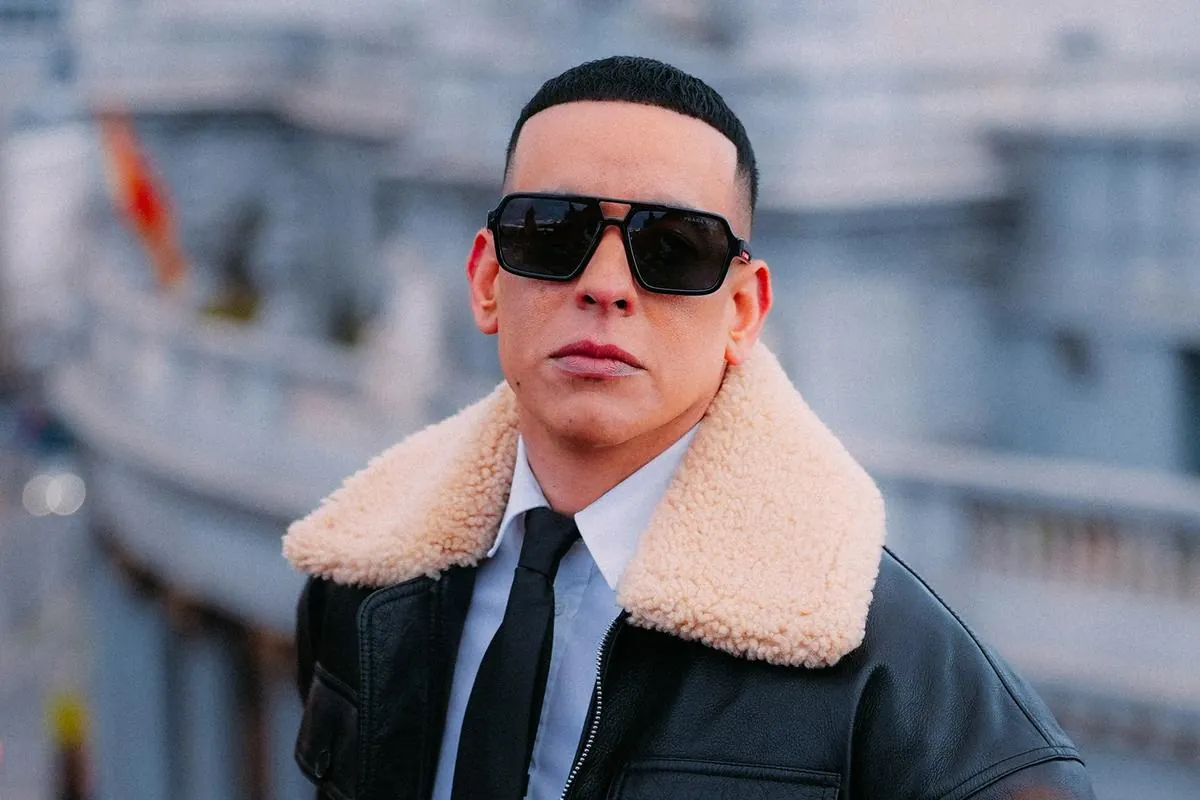
Outdated bios, reposted birthday graphics, and search snippets can all preserve the previous year’s age. A page written in late 2025 may still be accurate about his career but wrong about his current age after February 2026.
Another common mix-up is assuming that an artist has already reached an age because the calendar year matches the subtraction. Daddy Yankee’s February birthday makes the distinction especially important in January and early February. The same method applies to any celebrity: check the birth date first, then compare it with the exact day in question.
His Birthday, Real Name, and Puerto Rican Roots
Daddy Yankee was born on February 3, 1977, in Río Piedras, San Juan, Puerto Rico. His real name is Ramón Luis Ayala Rodríguez, a name that reflects the traditional use of paternal and maternal surnames in Puerto Rican and wider Spanish-speaking culture.
Some sources shorten his name to Ramón Ayala, while others use Ramón Luis Ayala Rodríguez in full. Both references point to the same artist, but the complete version is more useful when readers are tracing early credits, business records, or the origins of his stage identity. “Ayala” is his primary family surname, and “Rodríguez” is his maternal surname.
Río Piedras is commonly described as part of San Juan, which explains why both place names appear in biographies. The area’s urban culture, Spanish-language identity, Caribbean rhythms, and close connection to Puerto Rico’s musical scene shaped the environment in which Yankee was born and raised.
What the name Daddy Yankee means
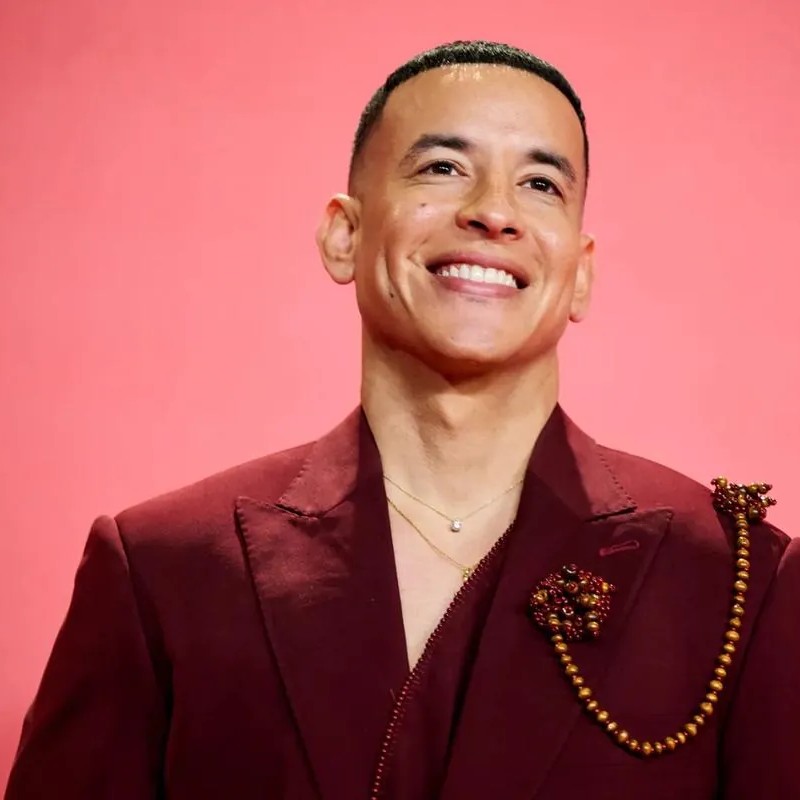
He adopted the name Daddy Yankee while young, drawing on Puerto Rican slang in which “yankee” could suggest someone strong, prominent, or impressive. The name became a memorable fit for an artist whose performance style projected confidence and control.
The stage name matters because it became inseparable from the rise of reggaeton. It was not merely a nickname placed on an album cover. Over time, “Daddy Yankee” came to represent a distinct sound: forceful rhythmic delivery, club-ready songs, street-level language, and an ability to move between Puerto Rico, the United States, and audiences worldwide.
His roots also explain why his Spanish-language success was never a side project or a late reinvention. Puerto Rico was the starting point. The global reach came later, after years of local performance, recordings, and work within Latin urban music.
Early Life, Baseball Dreams, and the Road to Music
Before he became one of reggaeton’s best-known artists, Daddy Yankee grew up in Puerto Rico with interests that included baseball and music. His early life was shaped by a neighborhood environment where hip-hop, dancehall, reggae en español, and Puerto Rican street culture all had a strong presence.
He has spoken about wanting to pursue baseball seriously as a teenager. That ambition changed after he was injured by a stray bullet, an event that required recovery time and redirected more of his attention toward music. The injury did not instantly create a star, but it altered the choices available to him at an important age.
Puerto Rico’s underground music scene
Daddy Yankee entered the underground scene during the early 1990s, long before reggaeton was a fully established commercial category. At the time, young performers often circulated songs through mixtapes, DJ projects, cassette culture, local clubs, and informal networks rather than major-label campaigns.
His early appearances connected him with DJ Playero, one of the figures associated with the development of Puerto Rican urban music. Those recordings helped expose his voice and rhythmic approach to listeners who were already following the evolving blend of rap, dancehall influence, Caribbean percussion, and Spanish-language lyrics.
In 1995, he released No Mercy, an early solo album that showed his ambition to move beyond guest appearances. It did not make him an overnight global celebrity. What it did provide was a foundation: experience in recording, a growing reputation, and a clearer sense of how to lead a song rather than simply appear on one.
This period is essential to his life story because it corrects the idea that “Gasolina” came out of nowhere. His later success rested on years of work inside a scene that had already developed its own DJs, producers, artists, slang, audiences, and musical rules.
How Barrio Fino and “Gasolina” Changed His Career
Daddy Yankee’s career reached a new level with the 2004 album Barrio Fino and its defining song, “Gasolina.” The record helped carry reggaeton to listeners far beyond Puerto Rico and established him as a leading figure in the genre’s commercial rise.
“Gasolina” was explosive, direct, and built for movement. Its driving rhythm, chant-ready hook, and unmistakable vocal energy made it accessible even to people who did not speak Spanish fluently. The song became a club staple, a sports-arena favorite, and a cultural reference point for a generation discovering reggaeton.
Still, it is more accurate to say that “Gasolina” accelerated reggaeton’s worldwide visibility than to say it invented the genre. Reggaeton had deep roots in Jamaican dancehall, Panamanian reggae en español, hip-hop, and Puerto Rican underground music. Many artists, DJs, producers, and communities contributed to its formation before the song became a crossover phenomenon.
Why Barrio Fino mattered beyond one hit
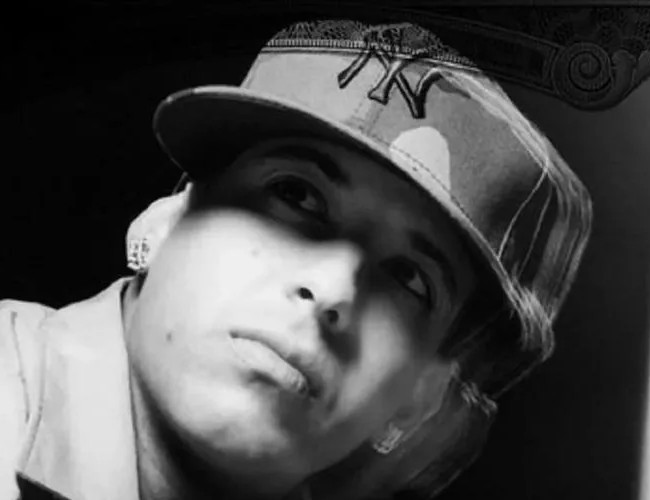
Barrio Fino gave listeners a fuller sense of Daddy Yankee as an album artist. It combined street-focused songs, club tracks, melodic moments, and collaborations while retaining a cohesive identity. The album’s success showed that reggaeton could sustain a major full-length release rather than depend on a single novelty track.
The title also carried cultural meaning. “Barrio” refers to neighborhood life, while “fino” suggests polish or quality. Together, the phrase captured an important tension in his career: music rooted in local identity but refined enough to travel across mainstream radio, international television, and large concert stages.
For fans revisiting Daddy Yankee’s songs, “Gasolina” remains the obvious entry point. But hearing it alongside the rest of Barrio Fino makes the breakthrough easier to understand. The album’s impact came from the way it presented a complete voice, not just a famous chorus.
Albums and Songs Beyond “Gasolina”
Daddy Yankee’s discography is much broader than “Gasolina,” even though that song remains his most enduring early-era calling card. Across several decades, his albums and singles tracked the changing sound of reggaeton while keeping his own voice recognizable.
His recordings moved from underground roots to polished mainstream production without fully abandoning the rhythmic force that made his early work stand out. Different releases served different moments in his career: some built credibility in Puerto Rico, some pursued pop-scale reach, and others reinforced his standing as an artist who could still make a powerful club record.
- No Mercy (1995) marked an early solo step after his underground appearances.
- El Cangri.com (2002) strengthened his reputation before his major crossover period.
- Barrio Fino (2004) became his landmark breakthrough album.
- El Cartel: The Big Boss (2007) expanded his mainstream profile.
- Prestige (2012), King Daddy (2013), and Legendaddy (2022) represent later phases of his recording career.
His major songs also show that he did not rely on one old success. “Rompe,” “Limbo,” “Dura,” and “Con Calma” each reached audiences in different years and with different production styles. “Con Calma,” featuring Snow, deliberately connected a modern Latin urban hit with the memory of an earlier dancehall-pop era.
That ability to refresh familiar elements helped Daddy Yankee remain relevant as genres shifted. A song from 2004 and a single released more than a decade later do not sound identical, nor should they. The continuity is in his delivery, command of rhythm, and sense of what can work in a party, a car, a stadium, or a global streaming playlist.
Despacito, Luis Fonsi, and Global Latin Music Success
Daddy Yankee’s collaboration with Luis Fonsi on “Despacito” gave his career another extraordinary global chapter in 2017. The original single paired Fonsi’s melodic pop vocals with Daddy Yankee’s rap and reggaeton presence, creating a song that traveled across language and genre lines.
“Despacito” was not Daddy Yankee’s first major international moment, but it reached audiences on a scale that made Latin music impossible for many mainstream outlets to treat as a niche category. The later remix featuring Justin Bieber expanded the song’s exposure in English-language pop spaces, while the original version kept Puerto Rican musical identity at its center.
The significance of the song is sometimes oversimplified. It was not a case of one artist suddenly making Latin music global by himself.
Latin artists, labels, radio programmers, producers, fans, and digital platforms had been building that audience for years. Daddy Yankee’s presence mattered because he brought established reggaeton credibility to a record that appealed widely to pop listeners.
Collaborations across generations
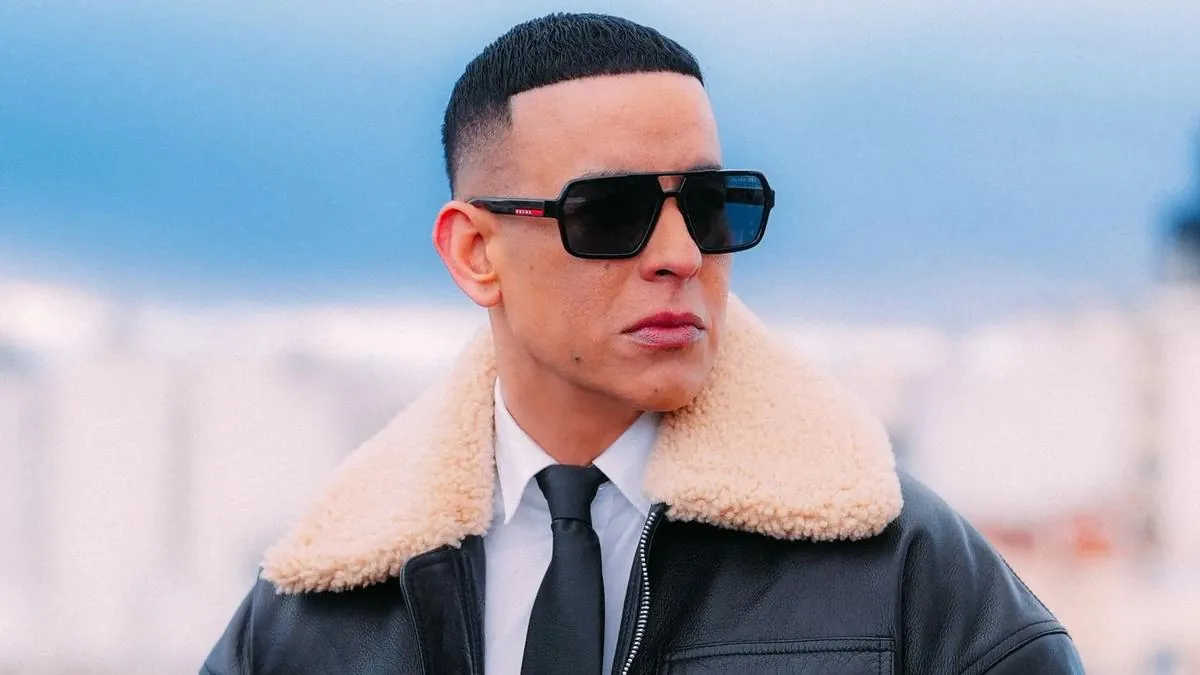
Daddy Yankee also stayed connected to newer artists as Latin urban music evolved. His appearance with Bad Bunny on “La Santa” placed him alongside one of Puerto Rico’s most influential younger stars, linking two different eras without suggesting that their careers or creative approaches were the same.
That intergenerational connection is part of his legacy. Early reggaeton artists fought for recognition in markets that often treated the genre as temporary or marginal. By the time performers such as Bad Bunny became worldwide stars, the industry had changed substantially, and Daddy Yankee was one of the artists whose success helped make that larger platform possible.
His collaborations also reveal a practical truth about popular music: a feature works best when both artists bring something distinct. On “Despacito,” Luis Fonsi supplied a melodic center and Daddy Yankee delivered rhythmic authority. The result was a single that felt rooted in Latin pop and reggaeton rather than diluted into an anonymous crossover formula.
Awards, Influence, and the “King of Reggaeton” Label
Daddy Yankee’s awards and industry recognition reflect his long-term commercial and cultural influence, but they are only one part of his importance. He is often called the “King of Reggaeton,” a media nickname that recognizes his stature rather than an official title held by only one artist.
His career includes recognition from major Latin music institutions, chart organizations, and awards shows. In 2021, he received the Billboard Latin Music Hall of Fame Award, an honor that acknowledged the scale and longevity of his contribution. Readers interested in release history and chart placements can review Billboard’s Daddy Yankee artist page for a useful record of his commercial presence.
Awards can confirm that an artist reached an industry milestone, yet they do not fully measure cultural influence. Reggaeton’s expansion depended on more than trophies. It depended on dance floors, radio stations, DJs, neighborhood parties, producers, independent recordings, and fans who kept the music circulating when it received far less mainstream respect.
Influence without erasing other pioneers
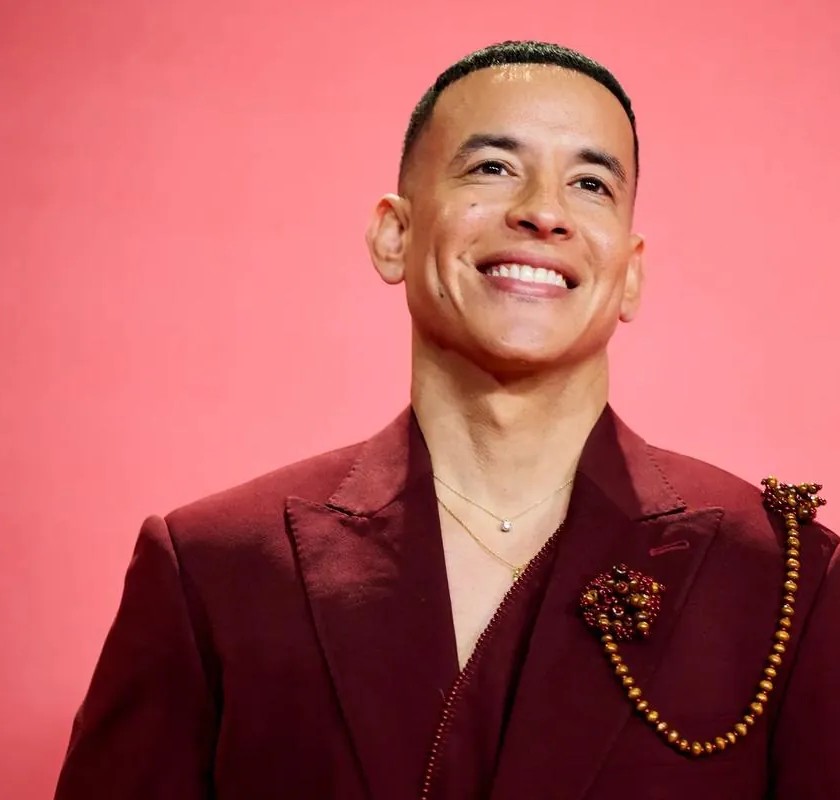
Calling Daddy Yankee a foundational figure should not erase the contributions of other reggaeton and Latin urban artists. The genre was never created by one person. His role was especially significant because he combined early-scene credibility with the mainstream visibility needed to bring the sound to new audiences.
His success also opened conversations about Spanish-language music as a major commercial force rather than a regional exception. Later artists entered a changed marketplace, but their achievements stand on their own. Daddy Yankee’s place in that history is not that he did everything alone; it is that he became one of the clearest symbols of how far the genre could go.
Daddy Yankee’s Personal Life, Marriage, and Children
Daddy Yankee has generally kept much of his family life more private than his music career, but several core facts are public. He was married to Mireddys González in 1995, and he is the father of three children: Yamilet, Jeremy, and Jesaaelys.
The length of the marriage often surprised fans because the relationship began before the height of his international fame. Unlike many celebrity couples whose private lives become part of their public brand, Daddy Yankee and González largely kept their family outside the center of his promotional image for many years.
Is Daddy Yankee married or single in 2026?
Daddy Yankee is publicly known to be divorced in 2026. He announced the end of his marriage in late 2024, and the divorce was finalized in February 2025. It is more accurate to describe him as divorced than to make assumptions about his private dating life or use labels he has not publicly chosen for himself.
Mireddys González was born on January 19, 1977, making her 49 years old in 2026 after her January birthday. Their divorce drew public attention partly because of their long history together and business connections, but family matters deserve more care than the usual celebrity rumor cycle allows.
How many children does Daddy Yankee have?
Daddy Yankee has three children. Their names are widely reported as Yamilet Ayala, Jeremy Ayala, and Jesaaelys Ayala. They have occasionally appeared in public-facing family moments and social media coverage, but they are not interchangeable with their father’s professional identity or obligated to live as public figures.
For that reason, reliable summaries should stick to confirmed details rather than repeat speculation about family disputes, relationships, or private financial matters. His life story includes fatherhood and a long marriage, but the larger public record remains centered on his work as a Puerto Rican artist and entrepreneur.
Why Daddy Yankee Still Looks Young to Many Fans
Many people searching for Daddy Yankee in 2026 ask how he appears younger than they expect at 49. The honest answer is that there is no single verified secret, and claims about a celebrity’s diet, procedures, medical care, or private fitness routine should not be presented as fact without direct confirmation.
Part of the perception comes from how long he has been visually familiar to audiences. “Gasolina” introduced him to many international viewers in 2004, when he was 27. During the “Despacito” era in 2017, he was 40. Seeing a performer across decades can make the passage of time feel less obvious than it really is.
- His recognizable styling, including hats, facial hair, streetwear, and performance-focused looks, creates visual continuity.
- Professional photography, video lighting, makeup, editing, and social-media presentation can affect how any public figure appears.
- His energetic stage image encourages fans to associate him with youth, even though energy and age are not the same thing.
- Comparisons are often made with an early-career image rather than with other people in the same age group.
It is reasonable to say that Daddy Yankee has maintained a consistent public image. It is not reasonable to turn that observation into unsupported health advice or assumptions about cosmetic work. A better takeaway is that he has spent decades in a visual entertainment industry where grooming, wardrobe, movement, and camera work are part of the job.
His age also makes the question less mysterious than it sounds. Forty-nine is not an unusual age for an active performer to look fit, stylish, and camera-ready. The phrase “looks young” is subjective, while his birth date and age calculation are objective.
Retirement, Faith, and What Daddy Yankee Is Doing Today
Daddy Yankee announced his retirement from music in 2022, presenting Legendaddy as his final studio album and planning a farewell tour. His later public statements made clear that he wanted to shift his focus toward faith and a different personal purpose after decades of commercial success.
That announcement should be understood in context. Retirement in music does not always mean an artist will never release another song, make a guest appearance, or speak publicly about music again. It usually means the artist is stepping away from a particular pace of touring, album cycles, and industry obligations.
After his final concert period in Puerto Rico in 2023, Daddy Yankee spoke openly about dedicating his life to Jesus Christ. In 2024, he released “Donante de Sangre,” a song with an explicitly Christian focus. That release demonstrated why a strict active-versus-retired label can be too simplistic for artists whose creative and spiritual priorities are evolving.
How to interpret his status in 2026
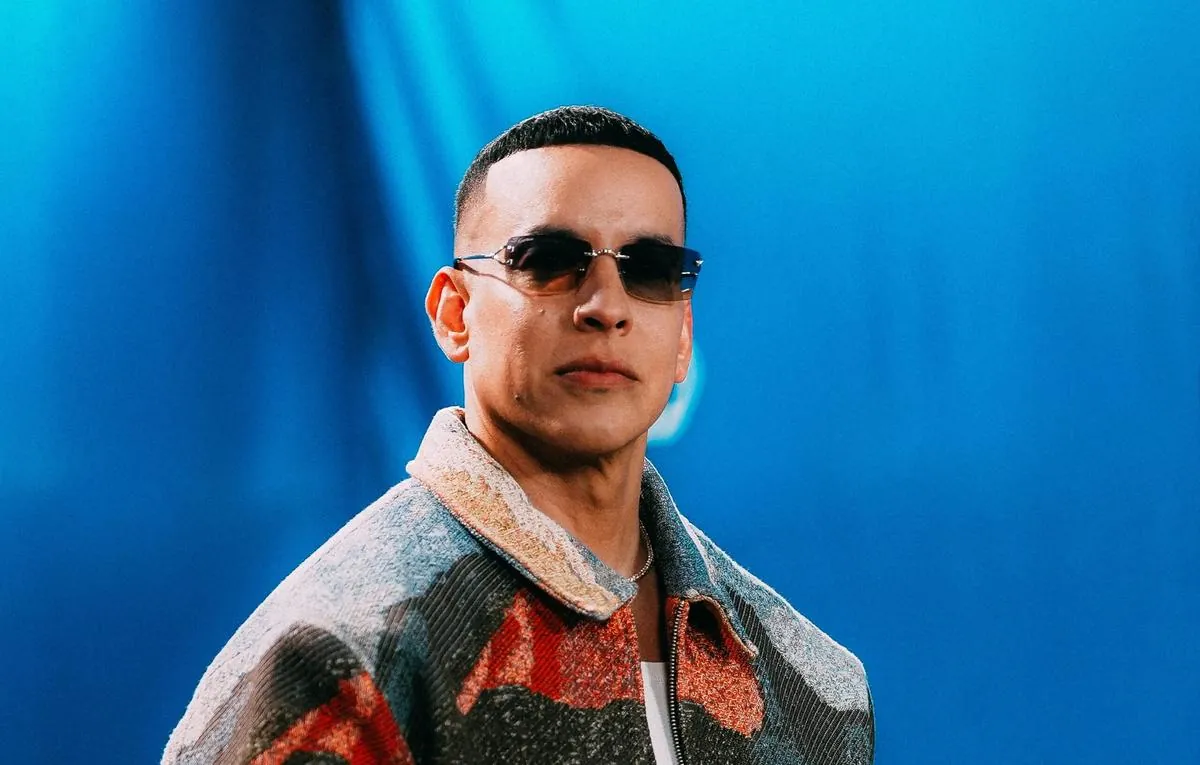
In 2026, the safest description is that Daddy Yankee retired from the conventional full-scale recording and touring chapter he announced in 2022, while remaining a public figure whose music catalog, faith, and occasional releases still draw attention. A catalog replay or an old concert clip should not be confused with a new album campaign.
Fans should also be careful with unconfirmed tour posters, fabricated track lists, and social posts that recycle older news as if it were new. If a major comeback, album, or tour is announced, it should be tied to a dated statement from Daddy Yankee’s official channels or a well-established music publication.
At 49, his relevance does not depend on constant releases. His older songs continue to circulate because they are part of reggaeton’s core history, while his later choices show that an artist can redefine success beyond chart positions and performance schedules.
A Clear Timeline of Daddy Yankee’s Life Story
Daddy Yankee’s life story makes the most sense as a progression from Puerto Rican underground music to international fame, followed by a deliberate change in priorities. Reducing him to one song, one album, or one age leaves out the years of work that gave his career its staying power.
He was born in 1977 and entered music while reggaeton was still taking shape outside the mainstream. His teenage and early adult years involved local recordings, collaborations, and the kind of gradual reputation-building that rarely appears in short celebrity biographies. That foundation came before the mass success of the 2000s.
The 2004 release of Barrio Fino and “Gasolina” became the turning point that brought his name to a far larger public. Later albums, singles, and appearances kept him visible, but he was no longer simply trying to break through. He had become an established artist with a recognizable sound and a role in shaping how Latin urban music was marketed internationally.
“Despacito” in 2017 created another high-profile peak, proving that his presence could still matter in a changing pop environment. His 2022 retirement announcement and the release of Legendaddy then framed a closing chapter for his traditional album-and-tour era, rather than a denial of everything he had built.
His story also includes marriage, fatherhood, entrepreneurship, public faith, and the pressures that come with being a long-running celebrity. Those details matter, but they should not overshadow the central fact: Ramón Luis Ayala Rodríguez became Daddy Yankee through persistence in a genre that grew from local scenes into a worldwide force.
How to Check Daddy Yankee Facts Without Repeating Rumors
Accurate information about Daddy Yankee is easier to find when readers separate stable facts from time-sensitive news. His birth date, real name, birthplace, and landmark albums are longstanding details, while relationship status, new music, tours, and public projects can change quickly.
Age is the clearest example. A biography may correctly state that he was born in 1977 but still list the wrong current age because it was not updated after February 3. The same problem appears with retirement headlines, where an older announcement may be repeated without acknowledging a newer faith-based release or public appearance.
- Check the publication date before relying on a current-age or current-status claim.
- Use the February 3, 1977 birth date to calculate his age for the exact date being discussed.
- Distinguish an album release from a single release, a farewell tour, or a catalog reissue.
- Treat claims about relationships, children, health, and private business matters cautiously unless they come from confirmed public reporting.
- Remember that “King of Reggaeton” is a popular description of influence, not a formal job title.
This approach is especially useful for search users who encounter conflicting snippets. A short answer may be enough for a birthday question, but a reliable life story needs chronology. Dates, names, and context help separate what is documented from what has simply been repeated online.
For Daddy Yankee, the key facts remain consistent: he was born in Puerto Rico in 1977, became a central reggaeton artist through years of work, achieved worldwide success with songs including “Gasolina” and “Despacito,” and entered a new public chapter after announcing retirement from his former music-career routine.
Frequently Asked Questions
These answers address the most common questions people ask about Daddy Yankee’s age, family, name, and career status in 2026.
How old is Daddy Yankee right now in 2026?
As of October 2026, Daddy Yankee is 49 years old. His February 3, 1977 birthday means he turned 49 on February 3, 2026. For date-specific checks, he was still 48 from January 1 through February 2 of that year.
What is Daddy Yankee’s real name and birthday?
Daddy Yankee’s real name is Ramón Luis Ayala Rodríguez. He was born on February 3, 1977, in Río Piedras, San Juan, Puerto Rico. His professional name became associated with his confident performance persona and his influential role in reggaeton’s rise.
Is Daddy Yankee married, and how old is his ex-wife?
Daddy Yankee is divorced in 2026 after his marriage to Mireddys González ended in 2025. González was born on January 19, 1977, making her 49 in 2026. Daddy Yankee has three children: Yamilet, Jeremy, and Jesaaelys.
Did Daddy Yankee retire from music?
Daddy Yankee announced retirement from his traditional recording-and-touring career in 2022, alongside the album Legendaddy and a farewell tour. He later released the faith-focused song “Donante de Sangre,” so retirement should not be interpreted as a complete disappearance from public music.
Daddy Yankee’s Age and Legacy in 2026
Daddy Yankee is 49 in 2026, with a February 3, 1977 birthday that makes the calculation easy once the date is considered. His age, birthday, and life story point to much more than celebrity trivia: they trace the rise of a Puerto Rican artist whose work helped bring reggaeton to audiences worldwide.
Revisit a favorite Daddy Yankee song with that timeline in mind, whether it is “Gasolina,” “Dura,” “Con Calma,” or “Despacito.” The music lands differently when you recognize the decades of work, change, and cultural influence behind it.

James Wilson is the founder and lead editor of HubQuora.com, where he covers the latest celebrity news, entertainment trends, viral gossip, and net worth stories. With a passion for pop culture and digital media, James delivers engaging, accurate, and up-to-date content that keeps readers informed about the world of celebrities, influencers, and entertainment industry buzz.