
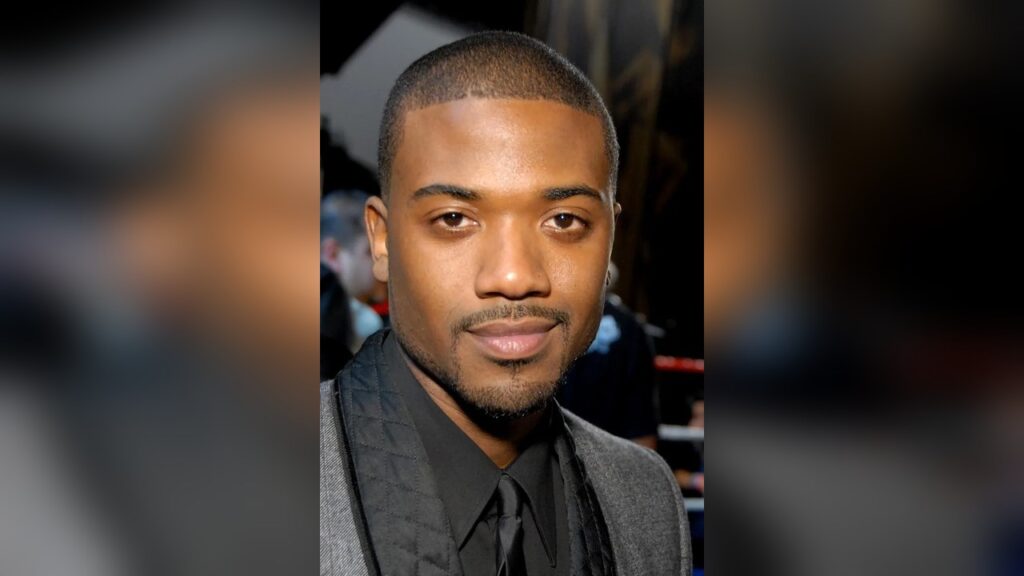
Ray J’s age is easy to state once the date is pinned down: he was born on January 17, 1981, in McComb, Mississippi. Yet the interest behind that simple fact reaches beyond a birthday. The performer known as Ray J has worked as a child actor, R&B singer, reality-TV personality, and entrepreneur, so timelines online often blend very different stages of his public life.
Ray J’s age explained properly means separating a fixed birth date from a changing annual number, then placing it beside the family influences, first screen roles, records, hit singles, and business ventures that shaped his career. That context makes it easier to understand why his name remains familiar across several generations of entertainment viewers.
Ray J’s Birthday and How His Age Is Calculated
Ray J was born on January 17, 1981, which means his age changes every year on that exact day. The reliable way to identify his current age is to subtract 1981 from the current year, then subtract one more year if January 17 has not yet arrived.
His full name is William Ray Norwood Jr., and Ray J is the professional name he has used throughout his entertainment career. The “J” is commonly understood as a reference to “Junior,” distinguishing him from his father, Willie Norwood Sr. Because celebrity biography pages are often updated at different times, it is normal to see more than one age listed in search results.
For example, Ray J was 43 before January 17, 2025, and 44 from that birthday onward. After January 17, 2026, he is 45. A page that calls him 43 may simply have been written before his 2025 birthday rather than being inherently inaccurate.
Why online age listings can look inconsistent
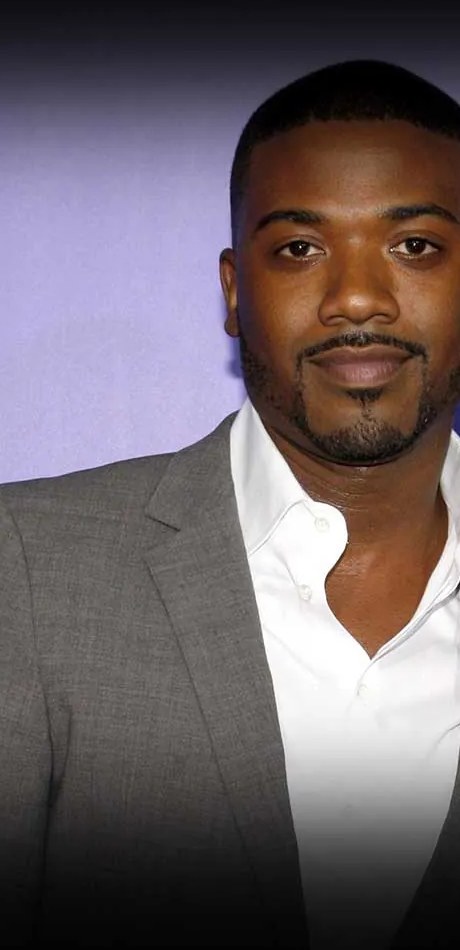
The discrepancy usually comes down to publication timing, not a disagreement about Ray J’s birth year. His January birthday falls early in the calendar year, so age listings can become outdated quickly if they are not refreshed after his birthday.
| Reference point | Calculation | Ray J’s age |
|---|---|---|
| Before January 17, 2025 | 2025 − 1981 − 1 | 43 |
| On or after January 17, 2025 | 2025 − 1981 | 44 |
| On or after January 17, 2026 | 2026 − 1981 | 45 |
This approach also helps with older interviews and television episodes. A reality show filmed in one year, aired the next, and discussed years later may contain a perfectly accurate age for the time it was recorded, even though it no longer reflects the present day.
From McComb, Mississippi to a California Upbringing
Ray J was born in McComb, Mississippi, but he was raised largely in Carson, California, where his family became closely connected to the Los Angeles entertainment world. That move matters because it placed a young performer near audition rooms, recording studios, television productions, and the broader Hollywood industry.
His parents, Willie Norwood Sr. and Sonja Norwood, supported the artistic ambitions of their children. Ray J grew up in a family where singing, performance, rehearsal, and career decisions were familiar parts of daily life rather than distant ambitions. That foundation gave him an unusually early view of how demanding professional entertainment can be.
Brandy’s influence and the Norwood family connection
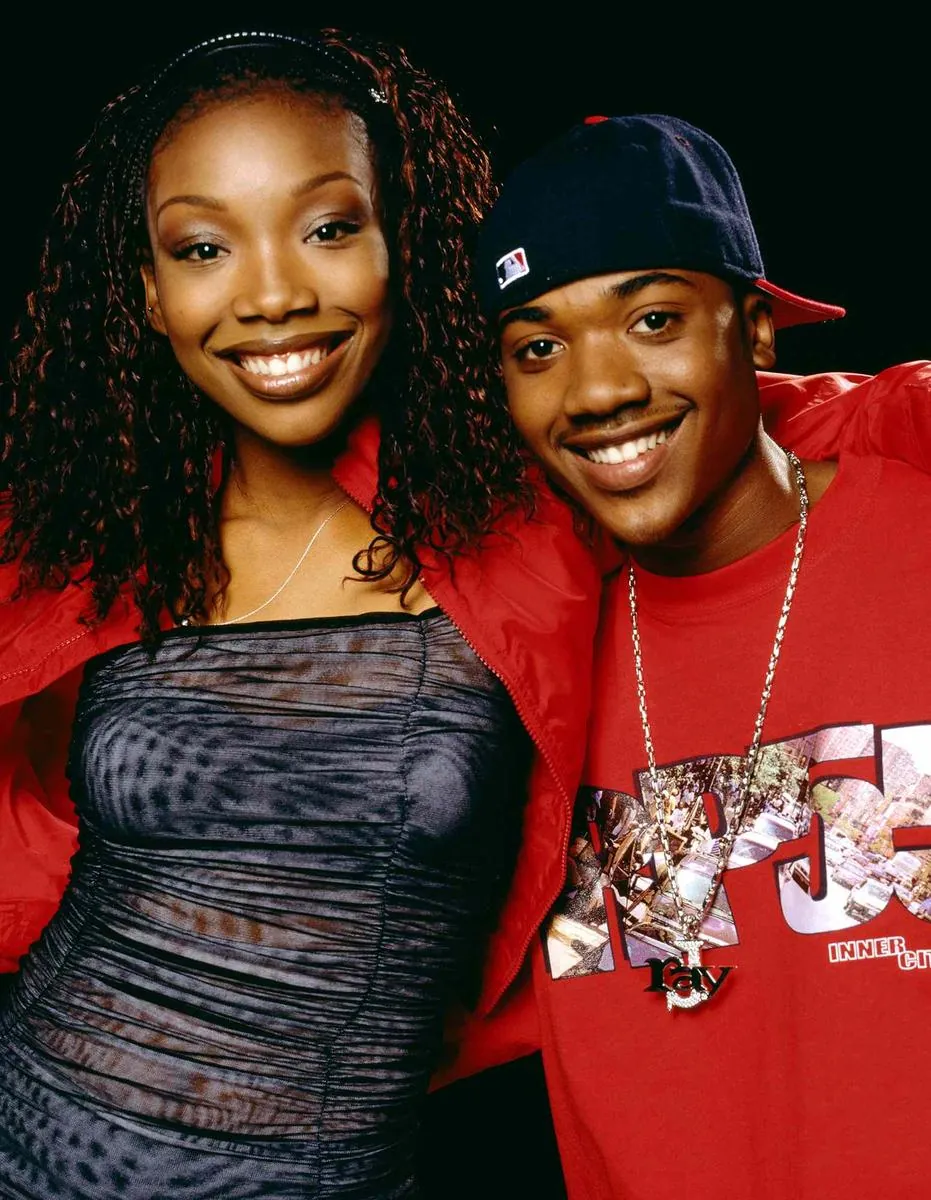
Ray J is the younger brother of singer and actor Brandy Norwood, widely known simply as Brandy. Born on February 11, 1979, Brandy is just under two years older than Ray J, which answers the frequent search question about who is older.
The siblings’ careers developed in overlapping but distinct ways. Brandy reached major success as a recording artist and television star during the 1990s, while Ray J built his own path through acting roles, R&B music, and later unscripted television. Their family relationship became more visible to viewers through the reality series Brandy & Ray J: A Family Business.
It is tempting to view Ray J only through the lens of his famous sister, but that misses the point of his career journey. The Norwoods were a creative family, yet Ray J’s public identity emerged through his own mix of youth acting, melodic R&B releases, entrepreneurship, and a willingness to work in several different entertainment formats.
Ray J’s First Steps in Acting and Television
Ray J started working on screen as a child, long before he became known for hit songs or reality shows. His earliest professional experience included commercials and television appearances, giving him practical training in performance, set etiquette, auditioning, and working with production crews.
One of his earliest television roles came on The Sinbad Show, which aired during the 1993–94 season. For readers asking when Ray J “first came out,” this is an important distinction: his first public entertainment work began in acting, while his debut album arrived later.
He continued building credits through the 1990s, including appearances connected to films such as Once Upon a Time… When We Were Colored and Tim Burton’s Mars Attacks!. These projects did not make him an overnight movie star, but they established that he was already working professionally before his music career took center stage.
From young actor to recognizable sitcom presence
Ray J also appeared on the sitcom Moesha, starring Brandy, as Dorian Long. The role gave audiences a chance to see him repeatedly rather than as a brief guest performer, and it linked his acting experience to a show that had a strong place in late-1990s Black television culture.
Acting remained part of his public profile even after recording became his main focus. His screen work illustrates a central feature of his career: he did not rely on one lane. Instead, he moved between acting, music, television appearances, and business projects as opportunities changed.
That versatility also explains why accounts of his “first” career moment can differ. Someone who first saw him on a television show may think of Ray J as an actor.
Listeners who discovered him through slow R&B singles may see him first as a singer. Both perspectives are grounded in real phases of his early work.
Signing With Elektra Records and Releasing Early Music
Ray J’s transition from screen work to music became more formal when he signed with Elektra Records in the mid-1990s. The deal gave him a route into the recording industry at a young age and positioned him among a generation of R&B artists trying to balance radio appeal with a distinct personal sound.
His debut studio album, Everything You Want, was released in 1997. The album introduced him as more than an actor who occasionally sang; it presented Ray J as a recording artist with a serious interest in contemporary R&B. Like many first albums, it was a starting point rather than the finished version of his sound.
Early music careers are rarely neat, especially for young artists moving between acting commitments and label expectations. Ray J was still developing as a vocalist and public figure while learning the business realities of releases, promotion, singles, studio sessions, and changing music trends. The Elektra period laid the groundwork for later records even when every release did not receive the same level of attention.
How his early albums shaped his direction
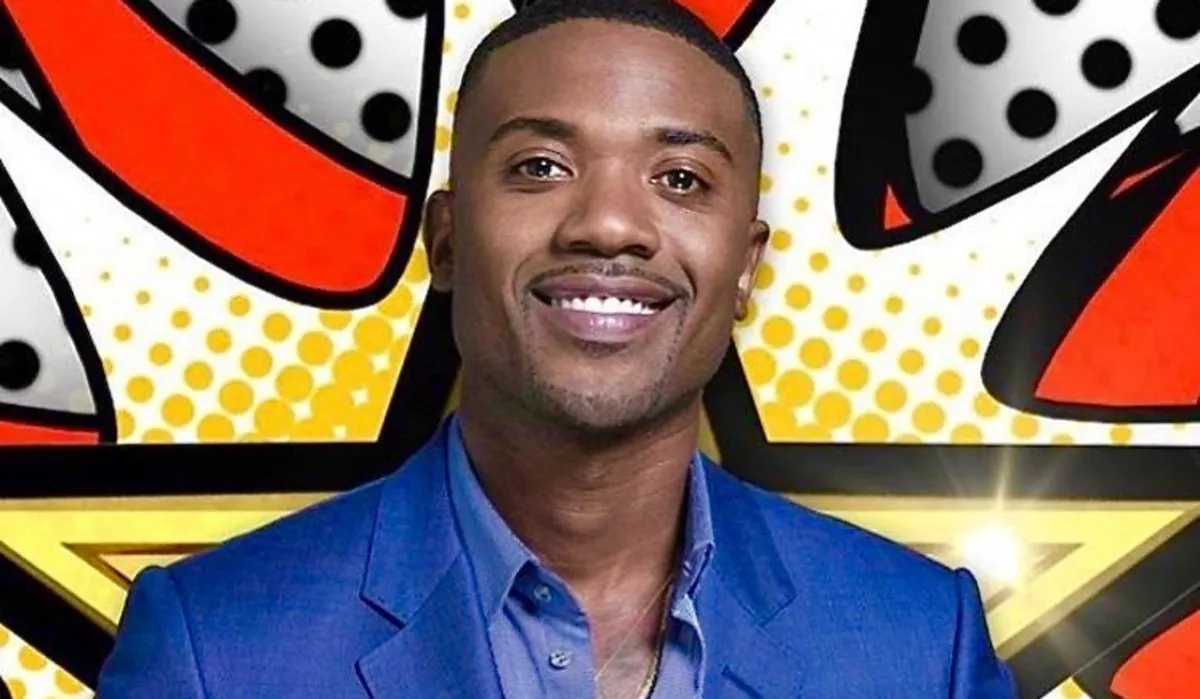
After his debut, Ray J released This Ain’t a Game in 2001. The album included the single “Wait a Minute,” featuring Lil’ Kim, and showed a more mature approach than his earlier teen-era recordings. It also made clear that he was aiming to remain active in music beyond his childhood acting identity.
His first records are useful for understanding his career because they show gradual development rather than instant success. The polished adult R&B style associated with his best-known songs did not appear fully formed on day one. It emerged over several projects, collaborations, and years of public visibility.
For fans revisiting Ray J’s discography, the early albums provide a snapshot of late-1990s and early-2000s R&B. They also explain why later releases felt like a second chapter: by then, he had more experience, a clearer image, and a better sense of what kind of material connected with listeners.
“One Wish,” Hit Singles, and Musical Reinvention
Ray J’s most enduring music association is often “One Wish,” the emotional 2005 single from his album Raydiation. The song became a signature record because its direct lyrics, slow-jam production, and expressive vocal performance gave listeners a clear sense of his strengths as an R&B singer.
Raydiation marked a meaningful moment in his career. By this point, Ray J was no longer simply the younger brother of Brandy or the actor from sitcoms and films. He had developed a sound that fit mid-2000s R&B, where heartfelt ballads could carry as much cultural weight as high-energy club tracks.
He followed that success with All I Feel in 2008. Its lead single, “Sexy Can I,” featuring Yung Berg, became one of his biggest mainstream chart achievements, reaching number three on the Billboard Hot 100. Readers comparing his songs and chart presence can consult Billboard’s Ray J chart history for a useful record of his major placements.
Why “One Wish” still defines part of Ray J’s music career
Some artists are associated with a single because it captures a particular moment; “One Wish” has lasted because it also captures a mood. The song is frequently remembered as a wedding, breakup, or reflective-playlist selection, which has helped it remain familiar beyond its original release period.
At the same time, it should not eclipse the rest of his music. Ray J released several albums, worked with established collaborators, and showed he could move between romantic R&B and more commercial pop-rap crossover material. That contrast between “One Wish” and “Sexy Can I” demonstrates his willingness to adapt to different radio and club trends.
His musical story is therefore broader than one hit. The records trace an artist who began as a young label signing, built a recognizable adult voice, and found different kinds of success in both intimate ballads and high-profile singles.
Reality Television and a New Kind of Fame
Reality television created another major chapter in Ray J’s career by turning his personality, relationships, and family life into part of the entertainment product. This shift broadened his audience beyond listeners who knew him primarily through R&B or older viewers who remembered his acting roles.
VH1’s For the Love of Ray J, which began in 2009, placed him at the center of a dating-show format. The series leaned into competition, romance, humor, and conflict, all of which helped make Ray J a recognizable reality-TV figure. It also led to related shows and appearances that kept his name in public conversation.
In 2010, Brandy & Ray J: A Family Business offered a different format. Rather than focusing on dating, the show brought the Norwood family dynamic to the screen and showed the professional pressures surrounding a family already known in music and television. It gave audiences a more direct look at the relationship between Ray J, Brandy, and their parents.
Love & Hip Hop: Hollywood and public perception
Ray J later appeared on Love & Hip Hop: Hollywood, another show where career issues, personal relationships, and disputes became storylines. Reality television can blur the line between a performer’s work and private life, so viewers should remember that episodes are edited narratives built for entertainment.
That format helped sustain his visibility, but it also changed what many people associated with his name. A younger viewer might know him from television first and discover “One Wish” afterward.
An older R&B listener may have had the opposite experience. His career makes more sense when both entry points are acknowledged.
Reality TV was not a detour from his public identity; it became one of the ways he adapted to a changing entertainment economy. As music promotion, celebrity culture, and social media became more intertwined, Ray J remained visible by working across formats instead of relying on album cycles alone.
Raycon and Ray J’s Move Into Entrepreneurship
Ray J’s career is not limited to performing. He also became closely associated with consumer-business ventures, most notably Raycon Global, a company known for wireless audio products such as earbuds and headphones.
Raycon launched in 2017 with Ray J as a co-founder and prominent public face. The business connection made sense on a basic level: an artist whose work depends on music, sound, and audience attention could credibly promote consumer audio products. Still, the venture should be understood as a business project, not as an extension of his recording catalog.
His work in this area reflects a common pattern among entertainers who build brands beyond albums, movies, and television appearances. Celebrity recognition can open doors, but long-term business success depends on product development, operations, marketing, partnerships, and customer trust. A famous name alone does not perform all of that work.
Why business ventures matter to Ray J’s career timeline
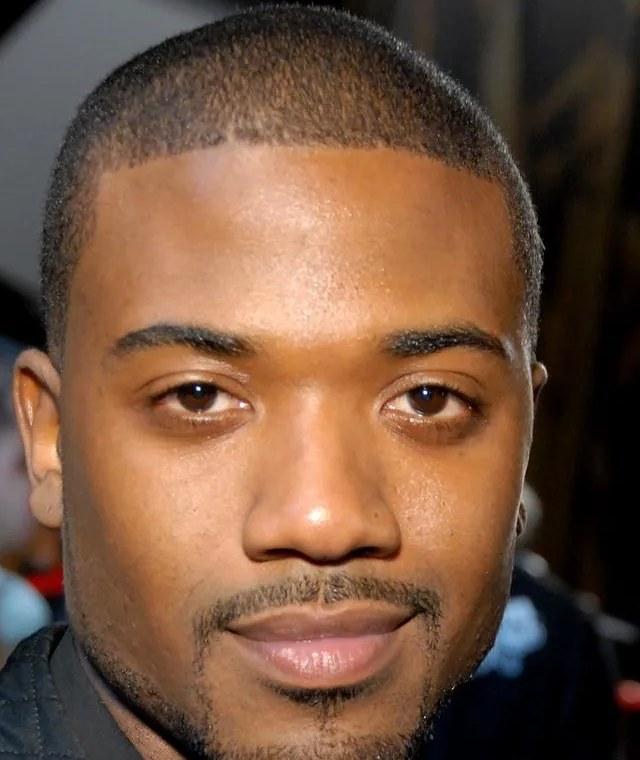
It is easy to discuss Ray J only through songs, acting credits, or television controversies. That misses how his professional priorities expanded with age. By the late 2010s, he was operating in an era where entertainers increasingly treated media exposure as a platform for launching or supporting brands.
Raycon also reinforced his reputation as someone willing to pursue new directions. His career had already moved from child acting to R&B, then from music to reality television. Entrepreneurship was another shift, one that relied on recognition but required a different set of skills and advisers.
For readers assessing his overall career, the business chapter should not be reduced to a quick footnote. It shows that Ray J’s public relevance has involved more than recording new music. He has repeatedly looked for ways to remain active in entertainment and adjacent industries as his audience and opportunities changed.
Family, Princess Love, and the Brandy Age Question
Ray J’s family relationships have often been visible because several of them became public through television, interviews, and social media. The most commonly searched connections are his relationship with Brandy and his marriage to Princess Love.
As noted earlier, Brandy is Ray J’s older sister. Brandy was born in 1979, while Ray J was born in 1981, making her nearly two years older. Searchers sometimes type “Brady” when asking who is older, but the performer connected to Ray J is Brandy Norwood.
Ray J married Princess Love in 2016. They have two children, daughter Melody Love Norwood and son Epik Ray Norwood. Their relationship has also been the subject of public separations and divorce filings, so descriptions that automatically call Princess Love his current wife may not always reflect the latest legal or personal status.
How old is Princess Love?
Princess Love was born on August 14, 1984. As with Ray J’s age, the accurate calculation depends on whether her birthday has occurred in the year being discussed: subtract 1984 from the year after August 14, or subtract one before that date.
This is a useful reminder that celebrity relationship questions often mix two separate issues: age and marital status. A birth date can be calculated with straightforward calendar math. Relationship status, by contrast, can change through reconciliations, legal filings, and private decisions that may not be immediately clear in every headline.
Keeping those facts separate leads to more accurate conversation. Ray J’s family life has been public at times, but his work history should not be treated as secondary to relationship news. His musical, television, and business accomplishments span decades and stand on their own.
Health Reports, Controversies, and Responsible Context
Questions about Ray J’s health often stem from headlines, viral clips, or old social posts rather than a current medical statement. He publicly discussed being hospitalized with pneumonia in 2021, but that past event should not be presented as proof of a continuing illness or an unverified diagnosis.
Health information deserves more care than ordinary celebrity trivia. A reality-show scene, a distressed social-media video, or a years-old interview can create speculation, yet none of those sources necessarily establishes a present medical condition. Unless Ray J or a credible representative has made a specific, current disclosure, it is better to avoid assumptions.
A practical way to assess celebrity health claims
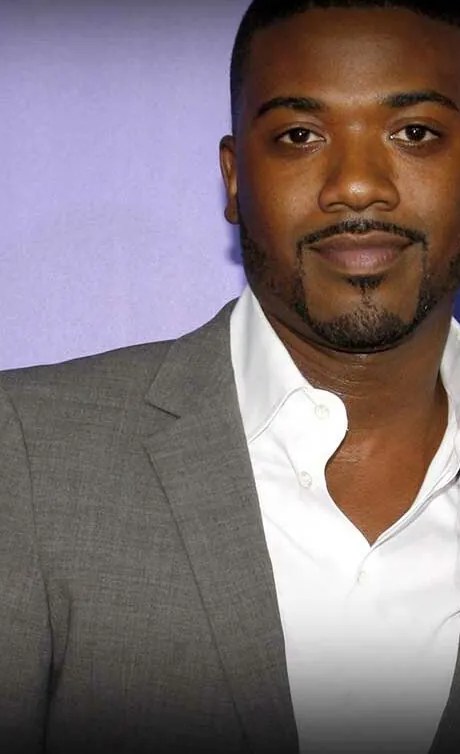
Before repeating a claim about Ray J’s health, check what the source actually says and when it was published. Separate confirmed past events from present-day claims, especially when online posts use alarming language without medical context.
- Confirm whether the claim comes from a dated interview, a direct statement, or an unsourced repost.
- Distinguish a reported hospitalization from a permanent or current diagnosis.
- Check whether a headline is describing a health update, a television storyline, or speculation.
- Avoid treating private medical information as entertainment gossip.
Ray J’s public life has also included controversies that sometimes overwhelm discussion of his professional record. The widely publicized release of an intimate recording involving Kim Kardashian in 2007 is frequently mentioned in accounts of his fame, but it should not become the sole lens for describing a career that began years earlier and continued across music, acting, television, and business.
Context matters. Public controversy can affect how a celebrity is perceived and can shape media attention, yet it does not erase the chronology of work that came before or after it. A balanced account acknowledges major public moments without reducing a person’s entire career to one event.
How Ray J’s Career Changed Across Different Eras
Ray J’s career is best understood as a series of connected reinventions rather than one uninterrupted rise in a single field. He started as a child actor, became an R&B recording artist, found renewed attention through reality shows, and later developed a public role in business.
The first era was built on family support and early access to auditions. His television and film work taught him how professional sets functioned, while his move into music introduced him to record-label demands. Signing with Elektra Records and releasing a first album made him a serious young performer rather than simply a celebrity sibling.
The next era centered on music. Albums such as This Ain’t a Game, Raydiation, and All I Feel showed growth in his sound, while “One Wish” and “Sexy Can I” gave him two very different types of recognizable songs. One was reflective and romantic; the other was designed for broad, immediate pop-radio impact.
A career built on visibility and adaptation
Reality programming then expanded the definition of what Ray J did for a living. Instead of appearing only when a new album or acting role was released, he became a regular personality on shows built around dating, family, relationships, and Hollywood drama. That created fresh opportunities, even as it brought greater scrutiny.
His business activity represents the most recent major shift in the timeline. Ray J’s name became connected not just to songs and shows, but to a consumer brand and the practical work of entrepreneurship. This kind of career expansion is increasingly common, though it remains notable for someone whose public career began as a child performer.
The result is a career with several distinct identities: actor, singer, reality-TV star, brother, father, and entrepreneur. Looking at only one identity gives an incomplete picture. Looking at the sequence explains how he stayed relevant through changing media trends and different stages of adulthood.
Why Ray J’s Age Adds Useful Perspective to His Career
Ray J’s birthday is more than a biographical detail because it helps put the timing of his accomplishments in perspective. Born in 1981, he was working professionally in the early 1990s, recording by the late 1990s, and releasing defining music as an adult in the 2000s.
That timeline explains why his audience is so broad. People who watched The Sinbad Show or Moesha may remember a young actor. R&B fans may associate him with “One Wish.” Reality-TV viewers may know him from VH1 or Love & Hip Hop: Hollywood, while younger consumers may recognize the Raycon name first.
Age also helps separate a performer’s early image from his later choices. Ray J was a teenager when his debut album arrived and an established adult when he entered reality television and entrepreneurship. Treating all of those periods as if they happened at the same time distorts the career journey.
For readers researching a celebrity biography, the most useful method is simple: start with the fixed facts, including birth date, birthplace, family connection, early acting credits, album release years, and major business milestones. Then place more changeable subjects, such as current age, relationship status, and health updates, in their proper time frame.
Frequently Asked Questions
These quick answers address the most common questions surrounding Ray J’s age, first appearances, family connections, and health-related headlines.
When did Ray J first come out?
Ray J began appearing on television as a child, with The Sinbad Show in 1993–94 among his earliest screen work. If the question means music, his first studio album, Everything You Want, arrived in 1997. “One Wish” later became a major signature song in 2005.
How old is Princess Love, Ray J’s wife?
Princess Love was born August 14, 1984. Her age is the current year minus 1984 after that birthday, and one year lower before it. She married Ray J in 2016, though public reports of later divorce filings mean marital-status wording can be dated.
What illness has Ray J discussed publicly?
Ray J publicly discussed a hospitalization for pneumonia in 2021. That does not establish a continuing illness or replace a medical update from him or a qualified clinician. Treat headlines that attach a diagnosis to a reality-show scene, interview, or social post cautiously.
Is Brandy older than Ray J?
Yes. Brandy Norwood, Ray J’s older sister, was born February 11, 1979; Ray J was born January 17, 1981.
She is therefore just under two years older. Some searches say “Brady,” but the entertainment figure connected to him is Brandy.
Putting Ray J’s Age and Career in Perspective
Ray J’s age explained accurately begins with one fixed fact: William Ray Norwood Jr. was born on January 17, 1981, in McComb, Mississippi. From there, the story stretches through childhood acting, Elektra-era recordings, R&B hits, reality television, family life, and entrepreneurship.
Use the birth date as a reliable reference point whenever an older article lists a different age, and read health or relationship headlines with their publication dates in mind. The full career journey is far more revealing than a single viral moment, and it offers plenty to revisit for fans of 1990s television, R&B, and reality entertainment.

James Wilson is the founder and lead editor of HubQuora.com, where he covers the latest celebrity news, entertainment trends, viral gossip, and net worth stories. With a passion for pop culture and digital media, James delivers engaging, accurate, and up-to-date content that keeps readers informed about the world of celebrities, influencers, and entertainment industry buzz.