
When people look into the luxor meaning, they often find themselves caught between the ancient grandeur of a civilization and the vibrant reality of a modern Egyptian town. The name itself is steeped in layers of history, acting as a bridge between the legendary capital of the pharaohs and the bustling tourist hub that exists today.
Understanding this term requires looking past its current identity as a travel destination to see its roots in the linguistic and cultural evolution of the Nile Valley. By exploring its etymology, geographical context, and cultural weight, you will gain a clearer perspective on why this specific location remains a cornerstone of world heritage.
The Etymological Roots of the Name
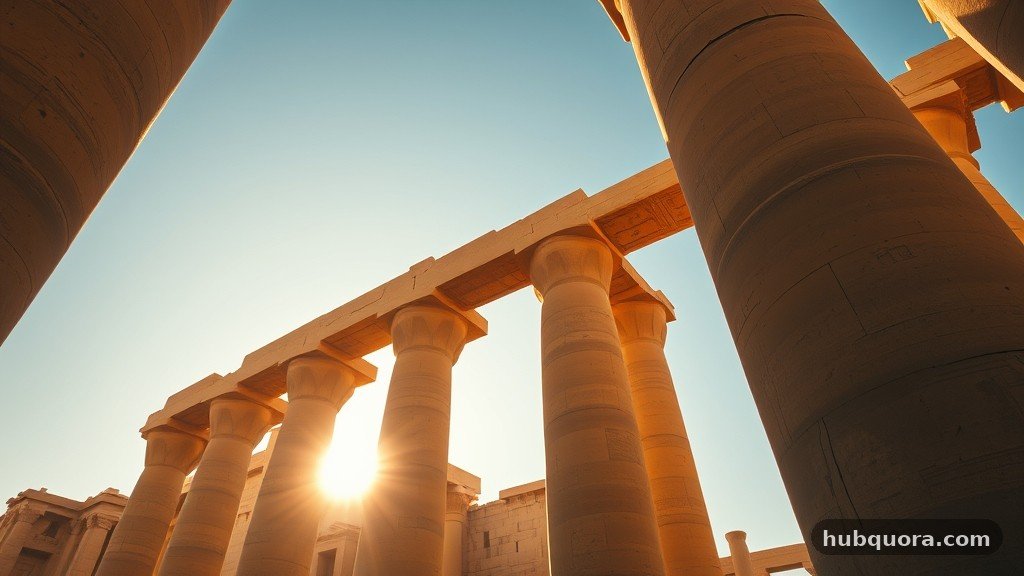
The luxor meaning originates from the Arabic term “Al-Uqsur,” which translates directly to “the palaces” or “the castles.” This name was bestowed upon the settlement because of the massive, sprawling temple structures that dominated the landscape even centuries after the fall of the pharaonic dynasties.
When Arab conquerors arrived in the region, they were struck by the sheer scale of the ancient Egypt architecture, which appeared to them as a series of fortified palaces. This linguistic transformation is a perfect example of how successive cultures reinterpret the physical environment they inherit.
Unlike many other sites that retained their original Egyptian names, this location underwent a definitive shift in identity during the medieval period. The transition from the classical name to the current Arabic designation highlights the continuity of human habitation in the area.
People have lived here for thousands of years, and the name serves as a living record of that endurance. It is not merely a label on a map; it is a historical shorthand for the architectural splendor that defines the east bank of the river.
Historical Context and the City of Thebes
To truly grasp the significance of the location, one must acknowledge its predecessor: the glorious city of Thebes. During the New Kingdom era, Thebes served as the religious and political heart of the empire, acting as the primary center for the worship of Amun-Ra.
The luxor meaning is inextricably linked to this status, as the city functioned as a grand stage for royal ceremonies and divine rituals. The scale of the construction projects undertaken by various pharaohs was intended to reflect the eternal power of the state.
The site is divided into two distinct zones that defined the life of the ancient population: the realm of the living and the realm of the dead. The east bank was where the sun rose and where the living built their homes and centers of worship.
Conversely, the west bank was the site of the sunset, where the valley of the kings and various mortuary temples were situated. This binary geography created a ritualized landscape that mirrored the cycle of the sun and the afterlife.
The Architectural Legacy of the Nile
The Nile is the lifeblood of this region, and its presence is the primary reason for the city’s existence. The river provided the agricultural fertility necessary to sustain a massive population and the transport route needed to move the enormous stone blocks used in construction.
When discussing the luxor meaning, it is impossible to ignore how the water shaped the urban layout and the spiritual beliefs of the people. The river acts as a dividing line between the two sides of the valley, separating the daily life of the town from the eternal silence of the necropolis.
Visitors today often remark on the density of the ruins that remain integrated into the modern city. Unlike sites that have been cordoned off as isolated museums, the monuments here are woven into the fabric of the community.
You can walk through a bustling market and find yourself standing in the shadow of a massive pylon built by Amenhotep III. This integration of the ancient and the modern is a unique feature of the area, making the history feel tangible rather than abstract.
Exploring the West Bank and Valley of the Kings
While the city center focuses on the living, the west bank is a treasure trove of funerary art and history. This area holds the tombs of the most famous pharaohs, hidden away in the limestone cliffs to protect them from tomb robbers.
The luxor meaning in this context shifts from “palaces” to “eternity.” The construction of these subterranean chambers was a feat of engineering that remains unmatched in its complexity and detail.
For those wanting to learn more about the specific archaeological findings in this region, the Metropolitan Museum of Art provides an extensive digital archive of artifacts recovered from these sites. The sheer volume of material found here has allowed historians to piece together the daily lives, religious practices, and political shifts of the New Kingdom. The sites found on the west bank are not just graves; they are books written in stone, detailing the hopes and fears of a civilization that looked toward the afterlife with profound dedication.
Comparing Modern and Ancient Urban Planning
The layout of the modern city reflects a shift away from the temple-centric design of the past. In the ancient world, the temple was the focal point of all economic and social activity, with the city radiating outward from these sacred spaces.
Today, the town has expanded to accommodate a growing population and the influx of tourists, resulting in a more commercial and residential structure. The following table highlights the differences between these two eras of urban development.
| Feature | Ancient Thebes | Modern Luxor |
|---|---|---|
| Primary Focus | Religious Ritual/State Power | Tourism/Commerce |
| Population Density | High around Temples | High along the Nile |
| Key Infrastructure | Mortuary Temples | Hotels and Markets |
| Primary Industry | Agriculture/Religion | Hospitality/Archaeology |
Topical Gaps: Addressing Common Misconceptions
Many people searching for the luxor meaning often confuse the modern city with the ancient name of the site. A common gap in existing content is the failure to explain that “Luxor” is not an ancient Egyptian word but a later Arabic imposition.
Furthermore, many sources fail to clarify that the city is actually a modern administrative district that encompasses several smaller villages and the ancient ruins themselves. By clarifying that the noun refers to both a specific historical site and a contemporary administrative entity, we remove the confusion that often arises during travel planning.
Another gap involves the distinction between the “Luxor Temple” and the “Karnak Temple.” While both are located on the east bank and are often grouped together in people’s minds, they are distinct entities with different historical purposes.
Karnak was a vast, evolving complex expanded by generations of pharaohs, while the temple in the city center was primarily used for the Opet Festival. Recognizing these differences is vital for any visitor who wants to understand the specific role each site played in the religious life of the ancient Egyptian people.
The Economic Impact of Tourism
Today, the luxor meaning is also tied to the global tourism industry. Millions of people travel to this area annually, making it one of the most significant cultural tourism hubs in the world.
This massive influx of visitors has transformed the local economy, shifting it away from traditional agriculture toward services and hospitality. While this provides jobs and development, it also creates challenges for the preservation of fragile ruins.
The local class structure has evolved alongside this economic shift. Families who have lived in the region for generations now find themselves working in the tourism sector, serving as guides, hotel staff, and artisans.
This intersection of tradition and modern commerce creates a unique atmosphere where you might see a horse-drawn carriage passing a modern bus filled with travelers. It is a fragile balance, but one that is essential for the continued maintenance and protection of the archaeological sites.
Cultural Significance and Religious Evolution
The evolution of religious practice in the region is a fascinating study in syncretism. When you look at the temples luxor is famous for, you are seeing layers of history where Christian, Islamic, and Pharaonic influences overlap.
For example, some temple walls contain frescoes from early Christian periods, and there are mosques built directly on top of ancient foundations. This layering proves that the site has always been a place of spiritual importance, regardless of the specific religion practiced at the time.
This continuity is part of why the luxor known status remains so high globally. It is not a dead site; it is a place where the history of human belief systems is layered like an onion.
For the Egyptian people, these monuments represent a connection to their ancestors that spans millennia. Understanding this deep-seated cultural reverence is key to respecting the site during your visit.
Practical Tips for Visitors
If you are planning to see the wonders of this region, timing is everything. The heat can be intense, especially during the summer months, so most visitors prefer to explore the tombs and temples early in the morning.
Hiring a licensed guide is highly recommended, as the history is far too complex to grasp through placards alone. A good guide can explain the nuances of the hieroglyphics and the architectural evolution of the structures.
When navigating the city, keep in mind that it is a large, spread-out destination. You will need to use a combination of taxis, ferries, and walking to get between the east bank and the west bank. Many people find that staying on the west bank offers a quieter, more authentic experience, while the east bank is better for those who want to be close to the markets and restaurants.
- Wear comfortable walking shoes, as you will be covering significant ground on uneven terrain.
- Carry plenty of water and stay hydrated, especially when exploring open-air sites.
- Respect local customs by dressing modestly when visiting religious or public areas.
- Allocate at least three full days to cover both banks of the river properly.
- Consider visiting in the shoulder season to avoid the largest crowds and the peak heat.
The Future of Archaeological Preservation
The luxor meaning continues to evolve as new technologies allow for more precise mapping and conservation of the ruins. Modern archaeology is moving away from invasive excavation and toward non-destructive methods like ground-penetrating radar.
This shift is crucial for preserving the integrity of the sites for future generations. As we learn more about the engineering techniques used by the ancients, our appreciation for their sophistication only grows.
There is also a concerted effort to involve the local community in the protection of these sites. By fostering a sense of ownership among the residents, the authorities hope to ensure that the monuments are treated with the respect they deserve. This collaborative approach is a positive development that will hopefully ensure that the site remains a vibrant, well-preserved destination for decades to come.
FAQ
What is the meaning of the name Luxor?
The name is derived from the Arabic word “Al-Uqsur,” which means “the palaces” or “the castles.” It was named by Arab settlers who were awed by the scale of the ancient pharaonic temple structures that appeared to them as massive, fortified buildings scattered across the landscape.
What was Luxor called in ancient times?
In ancient times, the city was known as Thebes. It served as the religious and political capital of Egypt during the New Kingdom period. The site was famously referred to by the Greeks as “Thebes of the Hundred Gates” due to its immense size and architectural prominence.
Is the city of Luxor the same as the ancient site of Thebes?
Yes, the modern city is located on the site of the ancient city of Thebes. While the modern urban center has expanded, it incorporates the major archaeological ruins of the ancient capital, making it a unique location where modern life exists directly alongside significant historical monuments.
What is the primary difference between the East Bank and West Bank?
The East Bank was the center of life, home to the main temples and the bustling population. The West Bank was the necropolis, or the “City of the Dead,” which contains the Valley of the Kings, the Valley of the Queens, and various royal mortuary temples.
Conclusion
The luxor meaning is far more than a simple dictionary definition; it represents a convergence of history, culture, and human ingenuity. By understanding its transformation from the ancient capital of Thebes to the modern center of tourism, you can better appreciate the layers of time that define this remarkable place. Whether you are walking through the towering columns of a temple or looking out over the Nile at sunset, you are engaging with a narrative that has shaped human civilization for thousands of years.
As you plan your next steps, whether that involves further research or a physical journey to these historic sites, remember that the true value of this destination lies in its ability to connect us to our collective past. Take the time to look beyond the surface, engage with the local culture, and appreciate the immense effort required to keep these treasures alive. Exploring this historic region is an experience that lingers long after you have returned home, offering a profound sense of perspective on the endurance of human achievement.

James Wilson is the founder and lead editor of HubQuora.com, where he covers the latest celebrity news, entertainment trends, viral gossip, and net worth stories. With a passion for pop culture and digital media, James delivers engaging, accurate, and up-to-date content that keeps readers informed about the world of celebrities, influencers, and entertainment industry buzz.