

Searches for Tech Burner net worth usually reflect a broader curiosity about how Indian technology creators turn YouTube attention into a business. Shlok Srivastava, known online as Tech Burner, has built a large public profile through technology videos, product recommendations, lifestyle content, and branded ventures.
However, no independently verified public statement confirms one exact figure for his personal wealth. The most useful way to assess the subject is to separate estimated earnings from net worth, examine possible revenue streams, and understand why online numbers vary so widely.
What Is Tech Burner’s Net Worth?
Tech Burner’s net worth is not officially disclosed, so any figure published online should be treated as an estimate rather than a confirmed fact. Public websites often present a single number, but that number may combine assumptions about YouTube advertising, brand deals, product businesses, investments, property, taxes, and operating expenses. Without audited financial statements, it is impossible to establish a precise total.
Tech Burner is the public name of Shlok Srivastava, an Indian technology creator and entrepreneur. His audience knows him for accessible gadget reviews, smartphone content, technology explainers, comparisons, unboxing videos, and broader lifestyle material. Over time, the Tech Burner identity has developed beyond one YouTube channel and become a wider media and consumer brand.
That distinction matters because income is not the same as net worth. Income describes money received during a period, such as a month or year.
Net worth describes the value of assets minus liabilities. If a creator earns substantial revenue but spends heavily on employees, studios, production, inventory, marketing, taxes, and business expansion, personal wealth will be lower than gross business revenue.
Public estimates should therefore be read as directional insights. They may help explain why Tech Burner appears financially successful, but they should not be presented as a verified salary or a precise rupee total. A responsible answer is that his wealth is likely supported by several commercial activities, while the exact amount remains private.
Why online estimates disagree

Different websites use different assumptions. One calculation may focus on YouTube advertising, while another may add sponsorships, social media campaigns, merchandise, consumer products, speaking work, and other ventures. Some estimates also confuse channel revenue with the creator’s personal earnings.
Currency conversion creates another problem. A figure shown in dollars may be converted into Indian rupees using a changing exchange rate, while a rupee estimate may be rounded heavily. The age of the data also matters: a channel’s views, upload frequency, audience location, advertising rates, and commercial partnerships can change over time.
Who Is Tech Burner?
Tech Burner is the creator identity associated with Shlok Srivastava, a prominent Indian YouTuber and technology influencer. His content is generally designed to make gadgets and digital products approachable for a broad audience. Rather than limiting videos to highly technical specifications, his presentation often combines demonstrations, practical opinions, entertainment, comparisons, and visual storytelling.
That style helps explain the strength of the Tech Burner name. Technology channels compete not only on accuracy but also on presentation, trust, personality, consistency, and the ability to make complicated products understandable. A smartphone review can attract viewers because of specifications, but it can retain them because the creator explains how the device behaves in real daily use.
The brand also benefits from a recognisable visual identity. Consistent thumbnails, recurring formats, energetic editing, and a distinctive voice can make a channel easier to remember. For a creator, memorability has commercial value because advertisers generally prefer partnerships that can reach an established audience through a familiar personality.
Tech Burner’s development reflects a wider change in the Indian creator economy. A successful YouTuber may begin with videos, then build activity across Instagram and other social media platforms.
The creator may also launch products, collaborate with companies, employ a production team, or develop a separate business. As these activities grow, the public may continue using one name even though several revenue-generating operations sit behind it.
Tech Burner and Shlok Srivastava

Searches for “Tech Burner age,” “Tech Burner born,” and “Shlok Srivastava net worth” often seek basic biographical context alongside financial information. Public biographies commonly identify Shlok Srivastava as the person behind the Tech Burner channel, but personal details should be handled carefully when they are not consistently confirmed through authoritative sources.
The important business point is that his public identity is closely tied to the brand. A creator-led company can benefit from personal trust, but it can also involve significant costs. Content teams, editors, researchers, designers, managers, studio operations, travel, equipment, and customer support may all reduce the amount that becomes personal income.
How Tech Burner May Earn Money
Tech Burner’s likely earnings come from multiple sources rather than YouTube advertising alone. A diversified creator business can combine platform revenue, sponsored content, affiliate commissions, product sales, brand partnerships, and commercial ventures. The share contributed by each stream can change from one month to the next.
YouTube advertising is the most visible source because viewers can see the channel’s public videos and view counts. When advertisements run against eligible content, the creator may receive a share of advertising revenue after the platform’s arrangements and other deductions.
However, views do not translate into one fixed payment. Audience location, watch time, content category, advertiser demand, seasonality, ad format, and monetisation eligibility all influence results.
Sponsored videos can be commercially important. A technology company may pay for a product integration, a dedicated review-style campaign, an announcement, or a social media promotion.
The amount depends on audience size, campaign objectives, usage rights, exclusivity, production complexity, and the creator’s negotiating position. A large view count alone does not reveal the final contract value.
Affiliate marketing can add another layer. If a viewer uses a trackable link to buy a gadget, software product, or accessory, the creator may receive a commission.
Commission rates vary by retailer, product category, campaign terms, and return activity. Affiliate revenue can be particularly useful for technology channels because viewers often research products immediately before purchasing them.
- YouTube advertising: Revenue connected to monetised views and advertising demand.
- Brand sponsorships: Paid campaigns, integrations, launches, or promotional appearances.
- Affiliate income: Commission generated when viewers purchase through tracked links.
- Product and merchandise sales: Revenue from branded consumer products, subject to inventory and operating costs.
- Business ventures: Potential earnings or ownership value from companies associated with the creator brand.
- Social media partnerships: Campaigns distributed through Instagram and other platforms.
These streams should not be added casually. A sponsorship may be booked as business revenue, while a product sale includes manufacturing, shipping, returns, taxes, and platform fees. The gross figure can look impressive while the net profit is much smaller.
YouTube Views, Revenue and Monthly Income
A common search asks how much Tech Burner earns per month. The honest answer is that public viewers cannot calculate his monthly income precisely from views alone. A channel may receive millions of views in one period, but the corresponding advertising revenue depends on several variables that are not visible in the public view counter.
For example, two videos with the same number of views can produce different advertising results. One may attract viewers from markets with stronger advertiser demand, while another may have a different audience mix.
One may be longer and support more advertising placements, while another may have limited monetisation. Some viewers use ad-blocking tools, leave before advertisements appear, or watch content in circumstances that produce different revenue outcomes.
There is also a difference between a video’s total views and monetised playbacks. Not every view necessarily produces an advertisement, and not every advertisement produces the same value.
Seasonal events can affect demand as well. Advertising budgets often change around major shopping periods, product launches, and the end of financial or calendar cycles.
Sponsored income makes the calculation even harder. A campaign may be agreed privately and may not appear in any public analytics.
A creator may also receive products, travel support, licensing fees, or performance bonuses that are not shown as a standard advertising line. Conversely, a channel may have periods with fewer uploads, higher production costs, or delayed payments.
| Metric | What it shows | Why it cannot prove net worth |
|---|---|---|
| Views | How often public videos were watched | Views do not reveal monetised playbacks or advertiser rates |
| Subscribers | Audience size and channel reach | Subscribers may not watch every upload or generate equal value |
| Estimated earnings | A model based on assumed advertising performance | It may exclude sponsors, costs, taxes, and private contracts |
| Monthly income | Money received during one period | It fluctuates and is not the same as accumulated wealth |
| Net worth | Assets minus liabilities | Private assets, debts, ownership shares, and taxes are unknown |
Why an earnings chart can mislead
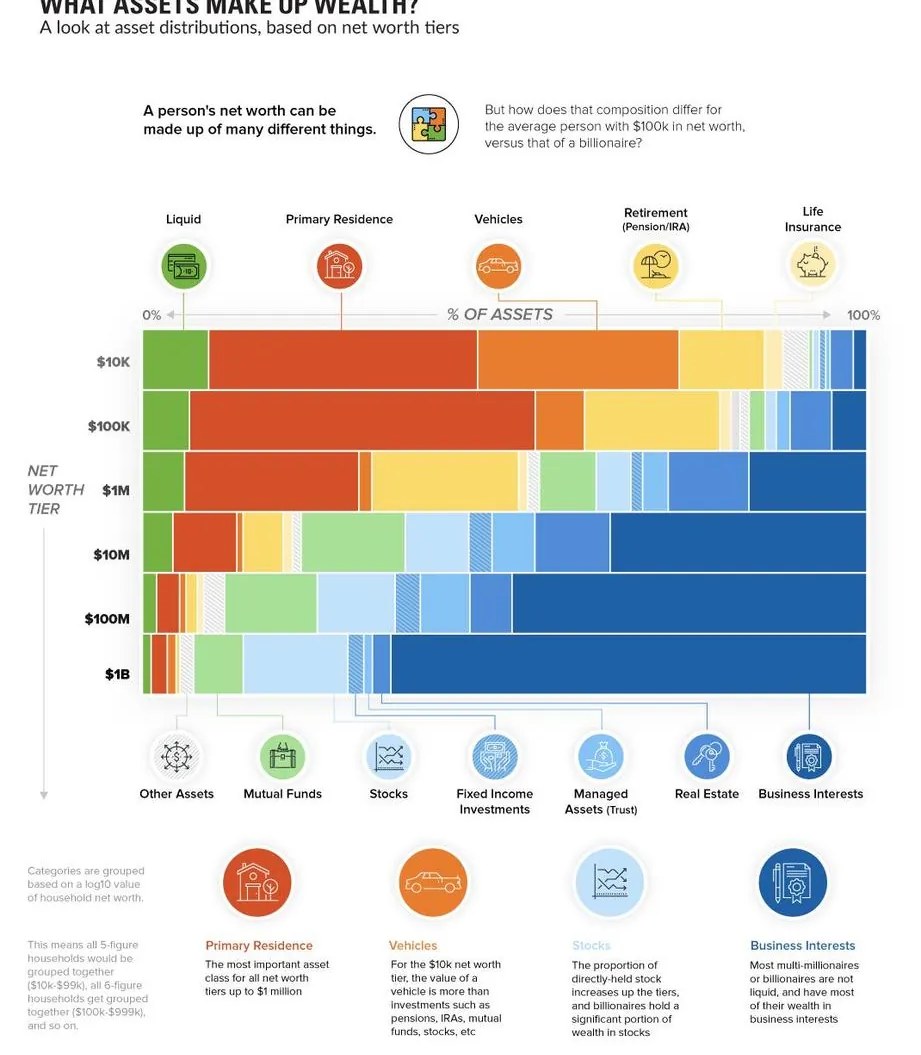
Many analytics pages display an earnings chart that appears precise because it uses a daily or monthly range. Those figures are generally modelled estimates, not bank statements. The chart may assume a rate per thousand views, apply it to public view data, and present the result as potential revenue.
Such a chart can be useful for understanding trends. If views rise steadily, commercial opportunity may also increase.
But it should not be treated as proof of Tech Burner’s salary, personal monthly income, or annual wealth growth. A chart based on public signals cannot see private sponsorship contracts, production expenses, tax obligations, loans, or investments.
Tech Burner’s Business Model Beyond YouTube
The strongest explanation for a creator’s financial growth is often the business model behind the audience. YouTube can create attention, but attention becomes valuable when it supports multiple products and commercial relationships. Tech Burner’s public identity illustrates how a creator may move from publishing videos to building a broader consumer-facing enterprise.
One path is brand extension. A creator can use an established audience to introduce products that fit the interests of viewers.
In the technology space, those products may include accessories, lifestyle items, or other consumer goods. The audience can reduce the cost of reaching potential customers, although the business still faces manufacturing, quality control, fulfilment, refunds, compliance, and customer-service responsibilities.
Another path is media distribution. A creator can publish long-form YouTube videos while using short-form clips on Instagram and other platforms to reach new audiences.
Each platform has different rules, formats, and commercial opportunities. A successful video may therefore have value beyond its original upload if it supports clips, search visibility, product interest, or a sponsorship package across several channels.
Business growth can also come from team building. A professional channel may require writers, camera operators, editors, thumbnail designers, account managers, legal advisers, finance staff, and brand partnership specialists.
Employing a team can increase output and quality, but it also raises fixed costs. The creator’s public popularity does not reveal the profit margin of the underlying operation.
Ownership is another unknown. If a creator owns part of a company, that stake might contribute to net worth, but its value is not automatically equal to annual sales.
A private business can have substantial revenue and modest profit, or strong profit and significant liabilities. The valuation of any private stake depends on financial records, contracts, assets, debts, and future prospects.
Net Worth Versus Revenue, Profit and Salary
Net worth, revenue, profit, and salary describe different financial concepts. Revenue is the total money a business receives from sales, advertising, sponsorships, or services before expenses. Profit is what remains after allowable business costs. Salary is compensation paid to an individual, while net worth measures the value of assets after subtracting liabilities.
Consider a simplified example. Suppose a creator-led company receives money from YouTube advertisements, sponsorships, and product sales. It then pays for salaries, equipment, production, warehousing, shipping, marketing, taxes, professional services, and returns.
The amount left after those costs is not automatically the creator’s personal wealth. Some may remain inside the company for future growth, and some may be distributed to owners.
Personal assets can include savings, investments, property, vehicles, and ownership interests in businesses. Liabilities can include loans, credit obligations, taxes due, and other financial commitments. Because these details are private, an online estimate cannot reliably calculate the final net worth total.
The same distinction applies when comparing Tech Burner with other Indian technology or entertainment creators. Search results for CarryMinati net worth, Technical Guruji net worth, or Trakin Tech net worth may show different estimates, but comparing those numbers directly can be misleading. Each creator has a different audience, location mix, upload pattern, business portfolio, expense structure, ownership arrangement, and career history.
People also ask who the richest YouTuber in the world is, but that question depends on the definition used. A creator may have high annual income, a valuable private company, large investments, or substantial inherited wealth. Rankings often mix estimates, business valuations, and personal assets, so they are not always comparable.
How to evaluate a published estimate
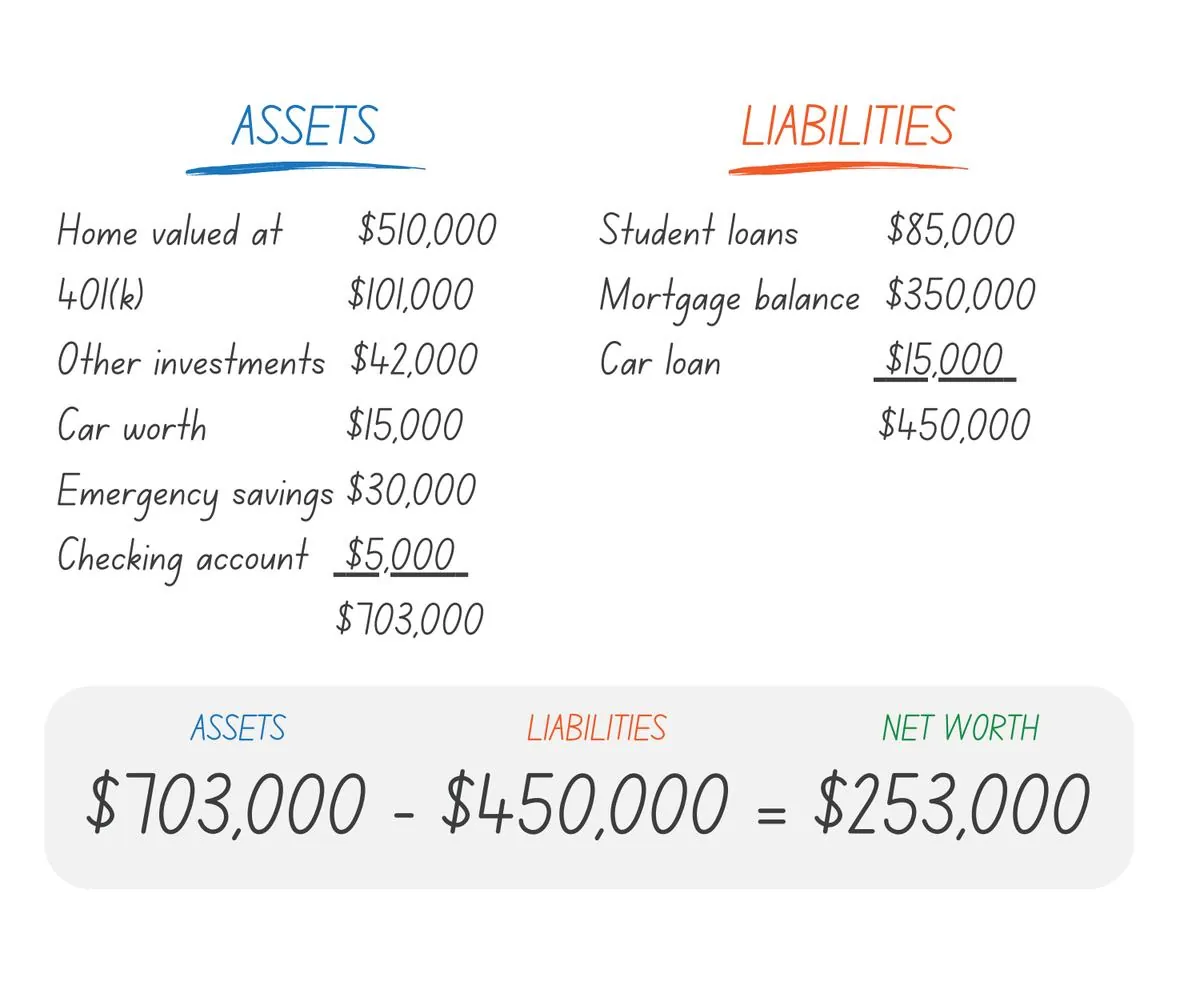
Readers can assess a financial claim by asking what the number includes and what evidence supports it. A responsible estimate should distinguish between advertising revenue and total business revenue, explain its assumptions, identify the time period, and avoid presenting a range as a confirmed fact.
Useful warning signs include an exact figure with no methodology, a claim that equates subscribers with income, or a calculation that treats every view as monetised. A page may also recycle an old number long after the channel, exchange rate, business activity, or audience has changed.
What Public Data Can and Cannot Show
Public data can provide useful signals about Tech Burner’s reach, but it cannot reveal every financial detail. View counts, upload frequency, subscriber growth, engagement, video topics, and social media activity can indicate audience scale. They may also help explain why advertisers and product companies consider a creator commercially attractive.
Public data cannot reliably show private contracts, payment schedules, production costs, tax deductions, staff salaries, inventory value, ownership percentages, or outstanding liabilities. Even a large number of views is only one part of the financial picture. A channel can experience strong audience growth while reinvesting most of its revenue into a larger team and more ambitious production.
Timing is important. A search result may display a “last updated” date, but the underlying assumptions may still be old.
A creator’s annual earnings can change after a viral video, a major partnership, a new product launch, an algorithm shift, or a period of reduced activity. Estimates should therefore be treated as snapshots rather than permanent facts.
When reviewing information, readers should favour direct public statements, verified business filings where available, and clearly explained methodology. For general context about creator monetisation, the official YouTube Partner Programme information explains how eligibility and monetisation are handled on the platform. It does not disclose Tech Burner’s personal income, but it provides a more reliable foundation than unsupported earnings claims.
Why social media signals are useful but incomplete
Instagram followers, short-video views, comments, and engagement can support a creator’s commercial value. Brands may use these signals when planning campaigns, especially when they want reach across several platforms. However, engagement does not directly equal revenue, and follower counts do not confirm that every follower is active or located in a target market.
Similarly, the number of videos uploaded does not prove financial performance. A highly produced video may cost more and earn more, while a simpler upload may have a different return. The real value of a content library may include search traffic, brand trust, affiliate conversions, and long-term audience retention, none of which can be captured by one public number.
How Tech Burner Compares With Other Indian Creators
Comparisons with other Indian YouTubers are popular because they provide context, but they require careful definitions. A technology creator may earn through gadget sponsorships and affiliate links, while a gaming or entertainment creator may rely more heavily on advertising, live streams, memberships, events, or licensing. The business mix can be more important than subscriber totals.
Technical Guruji, Trakin Tech, CarryMinati, and other well-known names operate in different content categories and may have different audience demographics. A creator who attracts viewers researching expensive electronics can offer a different commercial proposition from one whose audience primarily watches entertainment or gaming streams. Advertisers evaluate relevance, trust, purchasing intent, geography, and campaign performance, not just raw subscriber numbers.
The phrase “number one richest YouTuber” also needs caution. Wealth rankings may use estimated net worth, annual revenue, company value, or public visibility.
These are not interchangeable. A creator with a smaller channel could own a profitable business, while a creator with more views might spend heavily on staff, studios, philanthropy, or expansion.
For this reason, Tech Burner’s position should be understood as part of the creator economy rather than reduced to a single leaderboard number. His business potential comes from the relationship between audience, content, technology expertise, brand identity, and commercial activity. Those factors can produce meaningful financial success even when the exact net worth cannot be independently verified.
How Tech Burner’s Wealth Could Change Over Time
Net worth can rise when income exceeds expenses and investments or businesses increase in value. It can also fall when revenue declines, operating costs rise, products underperform, taxes increase, or a creator invests heavily in expansion. A high-income year does not guarantee permanent wealth growth.
Audience growth is one possible driver. More consistent views can improve the attractiveness of sponsorship packages and affiliate campaigns.
A larger social media presence can also give a creator more ways to distribute content and test products. However, growth brings responsibility: larger audiences require moderation, better production systems, legal review, customer support, and protection against reputational risks.
Product development can create another opportunity. If a branded item earns repeat purchases and maintains quality, it may become a durable business asset.
If demand is temporary or inventory is misjudged, the same venture can create costs. The difference between sales and profit remains essential.
Changes in YouTube policies, advertising demand, search behaviour, and competing creators can affect revenue. Technology content also depends on product cycles. A channel may benefit from major smartphone launches, but it must continually produce useful videos to maintain attention after the launch period ends.
Future estimates should therefore avoid false precision. A sensible assessment looks at several indicators over time: audience growth, upload consistency, engagement quality, commercial partnerships, business expansion, and evidence of sustainable operations. No single earnings chart or monthly income figure can forecast personal wealth accurately.
How Readers Should Interpret Tech Burner Net Worth Claims
The safest approach is to treat online net worth figures as approximate scenarios. They can help readers understand the scale of a public creator’s business, but they should not be repeated as confirmed financial facts unless the creator has publicly verified them through reliable documentation.
When reading a claim, check whether it identifies a date, explains its sources, separates gross revenue from profit, and acknowledges uncertainty. A credible article should also avoid treating advertising estimates as the creator’s salary. If a figure appears unusually exact, that precision may be cosmetic rather than evidence-based.
A useful interpretation framework includes these questions:
- Does the estimate refer to personal net worth, annual revenue, monthly income, or channel advertising?
- Does it include businesses, products, sponsorships, and affiliate income?
- Does it subtract production costs, taxes, staff expenses, inventory, and liabilities?
- Is the information current, and does it explain where the underlying data came from?
Readers should also distinguish between “could earn” and “does earn.” A public channel may have the reach to support a particular level of revenue, but reach alone does not prove that a contract exists or that a campaign achieved a certain payment. Similarly, an estimated range can be reasonable without being a verified result.
The most defensible conclusion is that Tech Burner has built a substantial public creator brand with several potential income channels. His exact personal wealth remains private. That answer is less dramatic than a precise viral number, but it is more accurate and financially responsible.
Frequently Asked Questions
What is Tech Burner’s net worth?
Tech Burner’s exact net worth has not been independently verified through public financial records. Online figures are estimates based on views, sponsorship assumptions, businesses, and other signals. They should be treated as approximate, not as a confirmed total of Shlok Srivastava’s personal assets.
How much does Tech Burner earn per month?
His monthly income is not publicly disclosed and may change substantially. YouTube advertising, brand campaigns, affiliate commissions, product sales, and business activity can all contribute. Public view counts cannot reveal the final amount after sponsorship terms, operating expenses, taxes, and other deductions.
What is Tech Burner’s main source of income?
YouTube is likely an important public-facing source, but it may not be the only one. Technology sponsorships, affiliate marketing, social media campaigns, products, and business ventures can also contribute. The proportion from each source is private and may vary across months and years.
Is Tech Burner richer than other Indian YouTubers?
There is no fully reliable public ranking of personal wealth among Indian YouTubers. Comparisons with CarryMinati, Technical Guruji, or Trakin Tech often rely on estimates using different methods. Audience size, business ownership, expenses, taxes, and investments must be considered before making a meaningful comparison.
Conclusion
The most accurate view of Tech Burner net worth is that it cannot be confirmed as one precise public number. Shlok Srivastava’s financial success is better understood through the wider Tech Burner business: YouTube content, brand partnerships, affiliate activity, social media reach, products, and possible ventures. Those income streams can be substantial, but revenue is not the same as personal wealth.
When you encounter a new estimate, check its date, methodology, sources, and treatment of expenses before accepting it. That approach offers a more realistic picture than repeating an exact figure without evidence, and it keeps the focus on the business growth behind the name.

James Wilson is the founder and lead editor of HubQuora.com, where he covers the latest celebrity news, entertainment trends, viral gossip, and net worth stories. With a passion for pop culture and digital media, James delivers engaging, accurate, and up-to-date content that keeps readers informed about the world of celebrities, influencers, and entertainment industry buzz.