
Understanding the true culotte meaning often requires looking beyond modern runways to the historical roots of the garment. While today they are primarily recognized as wide-legged, cropped trousers, the term carries a much deeper legacy that spans centuries of social and political change.
By exploring how these pieces evolved from functional men’s attire to a staple in contemporary women’s wardrobes, you gain a clearer picture of why this silhouette remains a perennial favorite. This article breaks down the linguistic origins, historical context, and styling nuances of this unique clothing item, ensuring you have a complete grasp of what defines them in the modern fashion landscape.
Defining the Culotte Through Linguistic History
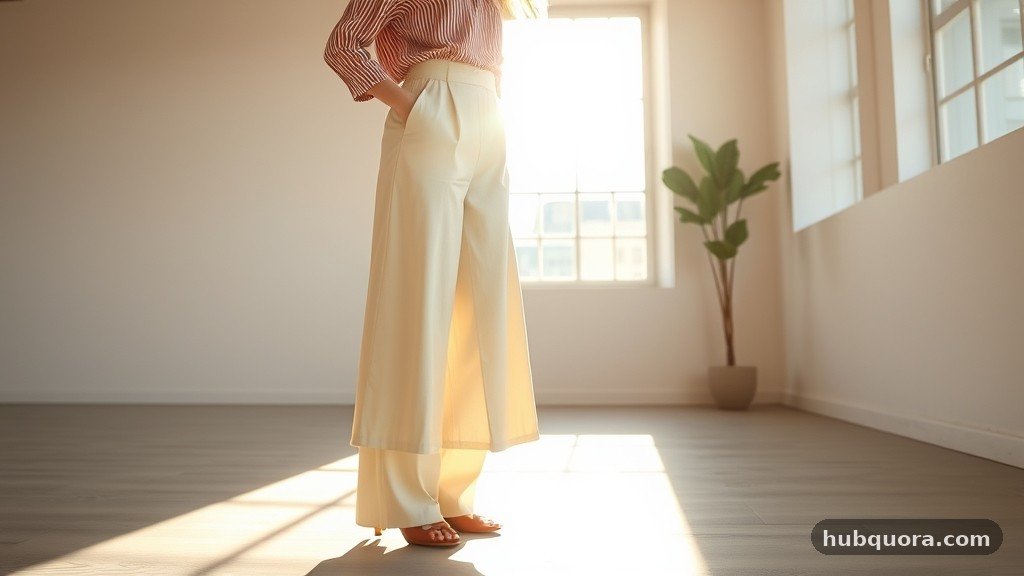
At its most basic level, the word culotte originates from the French language, where it serves as a noun describing a specific style of short trousers. In the context of the English language, we often use the word to describe a garment that mimics the appearance of a skirt while retaining the structural benefits of pants. The term itself is derived from the French word for “breeches,” which were historically worn by men in the upper classes of European society.
When you consult a standard dictionary, the definition usually centers on a garment that covers the legs separately but features a wide, flared cut that provides the illusion of a skirt. This duality is the core of the culotte meaning.
It is not quite a skirt, yet it lacks the traditional tapering of standard trousers. Understanding this distinction helps you identify the garment correctly when browsing vintage archives or modern retail collections.
The Political Significance of the Sans-Culottes
The term gained significant historical weight during the French Revolution, a period where clothing choices became powerful symbols of political allegiance. The common people, known as the sans-culottes, were named specifically for their choice of attire. Unlike the aristocracy, who wore silk, knee-length breeches, these revolutionaries wore long trousers, identifying themselves as people who did not subscribe to the elitist fashion of the time.
This historical usage highlights the irony of modern fashion terminology. While the original sans-culottes were rejecting the aristocratic culotte, the word has since been reclaimed by the fashion industry to describe a specific, often stylish, cropped silhouette.
This transition from a symbol of working-class rebellion to a high-fashion item illustrates how language and garment definitions shift over time. Today, the term is strictly used to describe a cut of fabric rather than a political statement.
Distinguishing Culottes from Other Wide-Legged Styles
A common point of confusion for many shoppers is distinguishing between culottes and other similar styles like palazzo pants or gauchos. While they all share a wide-legged aesthetic, the specific construction and length are what set them apart. Culottes are defined by their length, which typically hits around the mid-calf or just below the knee.
Palazzo pants, by contrast, are typically full-length and flowy, often made from lighter, more fluid fabrics. Gauchos are arguably the closest cousin to the culotte; however, they are traditionally associated with a more rugged, casual, or equestrian-inspired aesthetic. When you are trying to categorize a pair of pants, look at the hemline and the overall volume to determine if they fit the traditional definition of a culotte.
Comparing Popular Wide-Leg Styles
| Garment Type | Typical Length | Common Fabric |
|---|---|---|
| Culottes | Mid-calf/Knee | Structured wool, cotton, or denim |
| Palazzo Pants | Ankle to floor | Lightweight silk, rayon, or jersey |
| Gauchos | Below knee to mid-calf | Leather, heavy cotton, or canvas |
Evolution of the Silhouette in Women’s Fashion
The adoption of the culotte into women’s wardrobes in the 20th century was a massive shift in social norms. Initially, these garments were designed to allow women more freedom of movement for activities like cycling or horseback riding, where a traditional skirt would be impractical or even dangerous. This functional origin is why the garment has always been associated with active, modern living.
Throughout the decades, the silhouette has fluctuated in popularity, moving from a niche sportswear item to a high-fashion runway staple. Designers began to experiment with the volume and pleating, turning what was once a utilitarian piece into a sophisticated alternative to the standard trouser. You can often see this evolution in how designers balance the wide leg with tailored waistbands, creating a profile that is both comfortable and polished.
Common Misconceptions About the Terminology
Many people mistakenly believe that the word implies a specific material or a particular social status, but this is rarely the case in modern usage. Because the word has traveled through various languages and centuries, there are many definitions floating around. Some older sources might refer to them as split skirts, a term that carries a slightly different connotation regarding the construction of the garment.
It is also important to note that the term is not exclusively reserved for one gender, though it is predominantly used within women’s fashion today. In sports, particularly in historical contexts like baseball, the term was sometimes used to describe specific types of knickers. By focusing on the structural definition—a split-leg garment that mimics a skirt—you can avoid the confusion that often arises from regional or historical variations in the word’s usage.
Construction Details That Define the Look
The construction of a true culotte relies on the balance between the flare and the length. If the leg is too narrow, it simply becomes a pair of cropped trousers; if it is too long, it loses its distinct silhouette and risks looking like an ill-fitting pair of wide-leg pants. Tailors and designers pay close attention to the “break” of the fabric, ensuring that the volume hangs correctly from the hip.
Most high-quality versions feature deep pleats or heavy fabric weight to maintain the structure. This is essential for the garment to retain its “skirt-like” appearance while you are in motion.
If you are looking to purchase a pair, pay close attention to the fabric composition. Heavier fabrics like wool blends or structured denim tend to hold the shape better than thin, clingy materials, which may collapse and lose the intended architectural look.
Styling Considerations for Modern Wear
Styling these garments is often easier than people expect, provided you focus on balancing the proportions of your outfit. Because the culotte adds volume to the lower half of your body, it is generally recommended to pair them with a more fitted top or a tucked-in blouse. This creates a clear visual line at the waist, which prevents the outfit from looking overwhelming.
Footwear also plays a critical role in how the silhouette is perceived. Because the hem hits at the mid-calf, the choice of shoe can either elongate your leg or cut it off visually.
For a more formal look, a pointed-toe heel or a sleek boot can help maintain a long, elegant line. For casual settings, a crisp white sneaker or a flat sandal can lean into the relaxed, sporty roots of the garment.
- Tuck in your shirt to emphasize the waistline and provide structure.
- Choose high-waisted cuts if you want to create the illusion of longer legs.
- Match the volume of the pants with a fitted blazer or a slim-cut jacket.
- Consider the hem length in relation to your height to avoid looking shorter.
- Experiment with different textures like leather or velvet for a modern twist.
Addressing Topical Gaps in Fashion Knowledge
One aspect often overlooked in general discussions is the distinction between the “culotte” as a historical men’s garment and the contemporary women’s fashion item. Many online resources fail to bridge this gap, leaving readers confused as to why the same word is used for such different items. The shift occurred largely in the late 19th and early 20th centuries as designers sought to liberate women from the constraints of heavy, floor-length skirts.
Another gap involves the international variations of the word. In some Spanish-speaking regions, the term might be used differently or replaced entirely by local vernacular.
If you want to dive deeper into the technical specifications of how these garments are drafted, you can check the Encyclopedia Britannica entry on culottes for an authoritative overview of their place in fashion history. Understanding that the word is a linguistic transplant helps explain why it feels slightly out of place when applied to modern streetwear.
The Role of Fabric in Silhouette Retention
The choice of fabric is perhaps the most important technical factor in achieving the desired look. Because the culotte relies on volume, the material must have enough “body” to support the flare. Lightweight fabrics like silk or rayon can work, but they tend to drape closer to the leg, which changes the character of the garment toward a more flowing, palazzo-like aesthetic.
For a classic, crisp look, designers frequently use cotton poplin, heavy linen, or wool crepe. These materials hold their shape, allowing the wide leg to stand away from the body. When you are shopping, take a moment to feel the weight of the fabric.
If it feels flimsy, it likely won’t provide that iconic architectural silhouette that defines the garment. This is a subtle detail that often separates high-end tailoring from mass-produced versions.
Why the Silhouette Persists in Fashion Cycles
The reason this style continues to return to the spotlight every few years is its inherent versatility. It manages to be both modest and daring, practical and stylish, all at once. It offers the comfort of trousers with the aesthetic appeal of a midi-skirt, making it a go-to choice for transition seasons where the weather is unpredictable.
Furthermore, the silhouette is incredibly forgiving. Because it does not cling to the legs, it provides a level of comfort that tighter styles simply cannot match.
As fashion trends continue to shift toward oversized and comfortable tailoring, the culotte remains a relevant and highly functional piece. Its ability to adapt to different styles—from minimalist and chic to bold and avant-garde—ensures it will remain a staple in wardrobes for years to come.
FAQ
How do you correctly pronounce the word culotte?
The word is of French origin and is typically pronounced as “koo-lot.” The emphasis is placed on the second syllable, with a soft “oo” sound at the beginning. It is a common term in fashion, so hearing it in retail or media environments will help you master the cadence.
Are culottes the same as gauchos?
While often used interchangeably, they are technically distinct. Culottes are generally more tailored and structured, often resembling a skirt. Gauchos typically have a more casual, rustic, or equestrian-inspired aesthetic, often made from softer or more durable materials like leather or heavy canvas, and they often feature a wider, less formal leg.
Is it appropriate to wear culottes in a professional setting?
Yes, they are highly appropriate for professional environments when styled correctly. By choosing a solid, neutral color and pairing them with a structured blouse or a fitted blazer, you can create a sophisticated, modern office look. Ensure the hem is clean and the fabric is of high quality to maintain a professional appearance.
Do culottes look good on all body types?
They can be very flattering on all body types if you focus on the rise and the hem length. High-waisted versions are generally the most versatile, as they create a defined waistline. If you are shorter, pairing them with heels can help maintain a balanced proportion, while taller individuals can easily pull off the look with flats.
Refining Your Personal Style
Understanding the culotte meaning is more than just a history lesson; it is a tool for building a more intentional wardrobe. By recognizing the garment’s roots, construction, and styling potential, you can confidently integrate this classic silhouette into your daily rotation. Whether you prefer a minimalist approach with neutral tones or a bold statement with patterns and textures, these trousers offer a unique blend of comfort and style that few other garments can replicate.
As you continue to explore your own style, try experimenting with different lengths and fabrics to see what best suits your frame. Don’t be afraid to break the traditional rules of proportion to find what makes you feel most confident.
Fashion is meant to be a form of expression, and mastering the nuances of a classic piece like this is a great step toward finding your own signature look. Feel free to share your favorite ways to style these versatile pieces and join the conversation on modern wardrobe essentials.

James Wilson is the founder and lead editor of HubQuora.com, where he covers the latest celebrity news, entertainment trends, viral gossip, and net worth stories. With a passion for pop culture and digital media, James delivers engaging, accurate, and up-to-date content that keeps readers informed about the world of celebrities, influencers, and entertainment industry buzz.