
Understanding the inseam meaning is essential for anyone who wants their clothing to fit properly. When you buy a pair of pants or jeans, the numbers on the label often represent the waist and the length, with the latter being the specific measurement you need to ensure they hit your ankle at the right spot.
If you’ve ever struggled with trousers that bunch up at your shoes or pants that look like capris when they aren’t supposed to, you’ve likely encountered a mismatch in your inseam. Getting this measurement right changes how your clothes drape, how long they last, and how confident you feel in your outfit.
Defining the Inseam Measurement
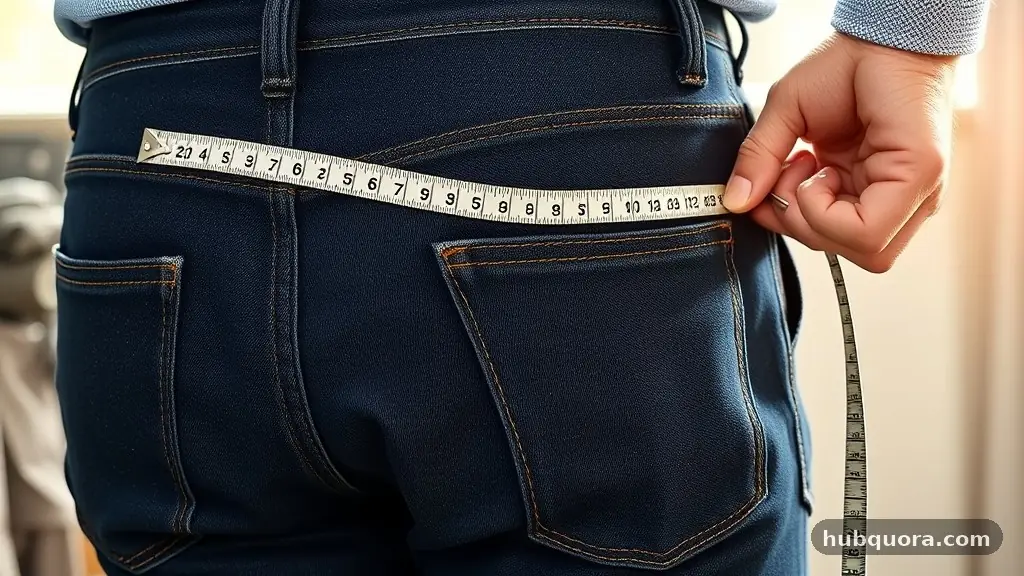
The inseam refers to the specific distance from the innermost point of the crotch seam down to the bottom hem of the pant leg. Unlike the outseam, which runs along the exterior of the leg from the waistband to the bottom, the inseam provides a precise look at the interior length of the fabric. This distinction is vital because individuals with the same overall height can have vastly different leg lengths.
Because of this, relying on your total height as a proxy for your pants length is often inaccurate. When you measure this area correctly, you ensure your trousers won’t drag on the ground or expose too much sock.
Why the Inseam Matters for Your Style
Getting the inseam right is the primary factor in how a garment looks on your body. When pants are too long, the fabric gathers at the ankle, creating a sloppy, messy appearance. Conversely, if the inseam is too short, the garment may look shrunken or like a style choice that doesn’t quite work for the occasion.
Different shoe styles also influence the ideal length you should look for. A pair of boots might require a longer break—the point where the pant leg hits the shoe—while sneakers or loafers often look best with a cleaner, shorter finish that grazes the top of the shoe.
How to Measure Your Inseam at Home
You don’t need a professional tailor to get an accurate number for your wardrobe. The easiest way to perform this measurement is to grab a pair of pants that already fit you perfectly. Lay them flat on a hard surface, like a table or a clean floor, and ensure they are smoothed out.
Take your measuring tape and start at the crotch seam, where the vertical and horizontal seams meet. Follow that line straight down to the very bottom of the hem.
This number is your inseam. If you don’t have a pair of pants that fit well, you can have a friend help you by standing straight while they hold the tape from your crotch to your ankle bone.
Common Inseam Variations in Clothing
Different types of garments utilize specific standards for this measurement. Jeans are almost always sold with a dual-number sizing system, such as 32×30, where the first number represents the waist and the second represents the length. However, dress pants and trousers often come as “unfinished,” meaning they arrive with extra fabric at the bottom so a tailor can hem them to your exact preference.
Understanding these variations helps you decide whether you can wear a pair off the rack or if you need to budget for extra tailoring time. Always check the brand’s size guide, as some manufacturers standardize their sizing differently than others.
Understanding the Difference Between Inseam and Outseam
While the inseam is the internal measurement, the outseam is the external length. The outseam starts at the top of the waistband and runs all the way down the side of the leg to the hem. It is rarely used as a primary sizing metric for consumers because it is heavily influenced by the height of the waistband.
High-waisted pants have a much longer outseam than low-rise pants, even if the inseam is identical. If you are shopping for a specific fit, focusing on the inseam is the most reliable way to guarantee the leg length hits your ankle exactly where you want it.
Addressing Common Inseam Measurement Gaps
Many people wonder why their inseam measurement changes depending on the style of the shoe they wear. This is a common point of confusion. If you wear high heels or boots with a significant heel, your leg effectively becomes “longer” in terms of where the pant leg needs to terminate.
To look polished, you generally want the hem to fall about halfway down the heel of your shoe. If you wear flat sneakers, you want the hem to end just above the sole. This adjustment is why many people own multiple versions of the same trousers with different lengths for different footwear.
Choosing the Right Length for Your Height
While there are general rules, your body proportions are unique. Use this table as a starting point to understand how height typically relates to inseam, but remember that individual anatomy varies.
| Approximate Height | Average Inseam Range |
|---|---|
| 5’2″ and under | 26 to 28 inches |
| 5’3″ to 5’6″ | 28 to 30 inches |
| 5’7″ to 5’10” | 30 to 32 inches |
| 5’11” and taller | 32 to 36 inches |
Inseams in Women’s Fashion
Women’s clothing often introduces more variety in leg styles, such as cropped, ankle, or flare cuts. A cropped pant is designed to have a shorter inseam, intended to show off the ankle. If you aren’t sure how a specific style is supposed to fit, look for the “rise” of the pant.
A high-rise pant will sit at your natural waist, which effectively changes how the inseam feels against your body compared to a low-rise pair. When buying online, always read the product description to see if the model’s height and the inseam of the garment are listed, which provides a helpful reference point.
How to Adjust Your Pants Without Sewing
If you buy a pair of pants that are slightly too long, you have a few options before heading to a tailor. For a temporary fix, you can use hem tape, which is a double-sided adhesive fabric bond that you iron onto the inside of your pant leg. This is a great way to keep your hem clean and professional-looking without needing a needle and thread.
Another option is a simple cuff, which adds weight to the bottom of the pant and can help them drape better if they are slightly too long. For a more permanent and high-quality result, professional tailoring remains the gold standard.
The Role of Fabric in Inseam Perception
The type of fabric you choose significantly impacts how the inseam sits. Stiff denim or heavy wool holds its shape, meaning the length you measure is exactly how it will look throughout the day. However, lighter fabrics like linen or rayon can stretch or shrink over time.
When buying these materials, keep in mind that they might “grow” an inch or two after washing or wearing. For more information on how garments are constructed and sized, you can visit the Federal Trade Commission guidelines on textile labeling to understand what information manufacturers are required to provide on tags.
Common Mistakes When Determining Inseam
One major mistake is measuring while wearing shoes that aren’t representative of what you’ll actually wear with the pants. If you measure while barefoot but plan to wear the pants with chunky boots, you will end up with a hem that is far too short. Another error is pulling the measuring tape too tight against the crotch seam.
You want the tape to follow the natural line of your leg without being pulled taut, as this creates an artificially short measurement. Always stand with your feet shoulder-width apart to ensure your legs are in a natural, relaxed position while measuring.
Frequently Asked Questions
What does a 32 inch inseam mean for my height?
A 32 inch inseam is a standard length typically suited for someone between 5’9″ and 6’0″. However, this depends entirely on your torso-to-leg ratio. If you have longer legs relative to your height, you might find a 32 inch inseam perfect even if you are slightly shorter.
Can I determine my inseam by looking at my height?
You cannot accurately determine your inseam based solely on height. People have different proportions, meaning someone who is 5’10” could have the same leg length as someone who is 5’7″. Measuring the actual distance from your crotch to your ankle is the only reliable method.
What happens if my inseam measurement is between sizes?
When your measurement falls between two standard sizes, it is usually safer to opt for the longer option. It is much easier and cheaper to have a professional tailor shorten a pair of pants than it is to lengthen them, as lengthening requires extra fabric that often isn’t available.
How do I measure an inseam for cropped pants?
To measure for cropped styles, you follow the same process as standard pants, but you aim for the desired length on your leg rather than your ankle bone. Most cropped styles are designed to hit just above the ankle bone or at the mid-calf, depending on the specific fashion trend.
Finding Your Perfect Fit
Mastering the inseam meaning gives you the power to shop with confidence, whether you are in a physical store or browsing online catalogs. By taking a few minutes to accurately measure your legs and understanding how different shoe heights and fabric types affect the drape of your clothing, you eliminate the frustration of ill-fitting garments. Remember that your measurements are a tool to help you look and feel your best, not a limitation.
If you find yourself between sizes, don’t hesitate to visit a local tailor for minor adjustments. A well-fitted pair of trousers is a staple that elevates any outfit, so take the time to get it right. Start by measuring your favorite pair of pants today and see how your current wardrobe matches up.

James Wilson is the founder and lead editor of HubQuora.com, where he covers the latest celebrity news, entertainment trends, viral gossip, and net worth stories. With a passion for pop culture and digital media, James delivers engaging, accurate, and up-to-date content that keeps readers informed about the world of celebrities, influencers, and entertainment industry buzz.