When people encounter the term “dipsy,” they often find themselves wondering about its specific linguistic roots and how it fits into modern vocabulary. The term carries a certain whimsical quality, frequently appearing in informal contexts, yet it maintains a connection to older, more traditional English usage.
Understanding the dipsy meaning requires looking beyond a single definition, as the word has shifted in nuance across different decades and regional dialects. Whether you have heard it used to describe a person’s state of mind or as part of a playful phrase, this term has a history that reflects the evolution of colloquial speech and the way we adapt language to suit our shifting social needs.
The Linguistic Roots of Dipsy

The word “dipsy” functions primarily as an adjective, though its historical usage often blurred the lines between descriptive slang and formal parlance. At its core, the term is frequently associated with a sense of being slightly foolish, dizzy, or eccentric.
Etymologically, it shares a phonetic and semantic kinship with “tipsy,” suggesting a state of mild intoxication or lightheadedness. This connection isn’t merely coincidental; language often evolves through sound association, where words that sound similar eventually adopt related meanings.
In many historical contexts, the word appeared in literature and early broadcast media to describe characters who were perhaps a bit scatterbrained or lacking in serious composure. It isn’t a harsh term; rather, it carries a lighthearted, almost affectionate undertone.
When someone is described as dipsy, the speaker usually implies that the individual is acting in a silly or whimsical manner rather than being truly incompetent. This nuance is crucial for understanding how the term has survived in the English language, transitioning from regional dialect markers to recognizable slang.
Evolution and Usage in Popular Culture

Throughout the 20th century, the word saw various iterations in both print and spoken English. You might find references to the term in a historical dictionary archive, which tracks how such descriptors gained traction.
During the mid-century period, writers often used the term to add color to dialogue, especially when portraying characters who were meant to be quirky or slightly out of touch with reality. This usage helped cement the term in the public consciousness, moving it from a localized oddity to a widely understood, if rarely used, descriptor for eccentric behavior.
Interestingly, the term has also been influenced by its inclusion in various media, where it was occasionally used to describe a person’s erratic motion or unpredictable decision-making. Unlike more modern slang that might imply a negative character trait, the historical usage of this term focused on the “dizzy” aspect of personality.
It suggests a lack of focus or a tendency to drift away from the task at hand. This specific connotation allowed it to persist in informal settings, even as more modern slang terms emerged to take its place in everyday conversation.
The Dipsy-Doodle Phenomenon
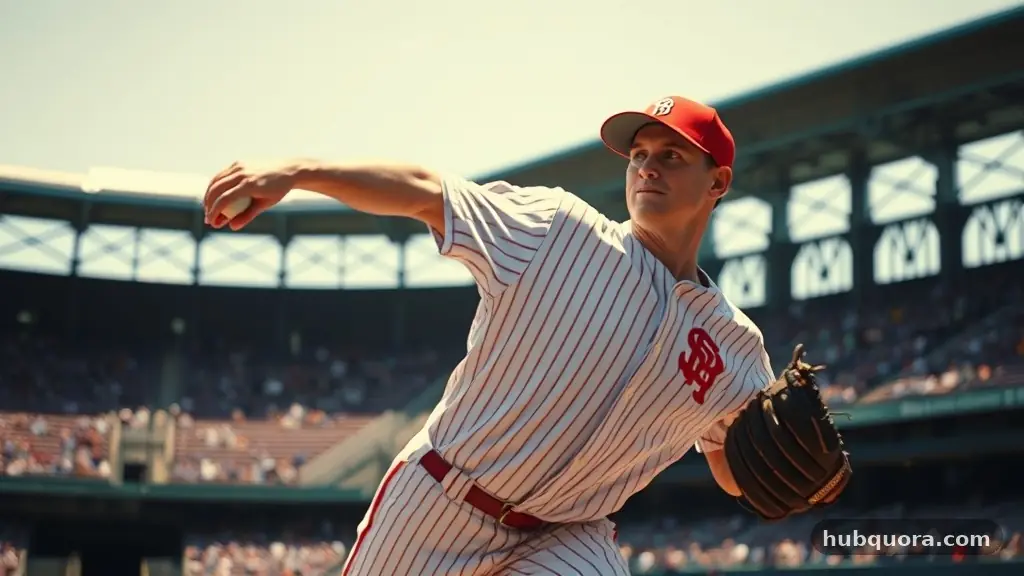
A significant portion of the interest in this term stems from the phrase “dipsy-doodle.” This compound expression gained prominence in sports reporting, particularly in baseball and football, during the mid-20th century.
It refers to a sudden, deceptive change in movement, such as a ball that curves unpredictably or a player who makes a series of confusing, rapid jukes to evade a defender. The adj dipsy-doodle essentially describes the quality of these motions—erratic, playful, and difficult to track.
This application of the term highlights how a simple descriptor can grow into a specialized piece of jargon. When a player executes a “dipsy-doodle” move, the audience understands that the action was intentional, clever, and designed to throw the opponent off balance.
This usage is perhaps the most enduring legacy of the word in American English. It transformed the term from a simple adjective describing a person’s temperament into a dynamic descriptor for physical action and tactical deception.
Comparative Analysis of Related Terms
To grasp the full scope of the term, it is helpful to look at how it sits alongside similar descriptors. Language often groups words together based on their emotional weight or the specific situations in which they appear. The following table illustrates how this term compares to other words that describe similar states of behavior or physical movement.
| Term | Primary Connotation | Common Context |
|---|---|---|
| Dipsy | Whimsical, eccentric, slightly dizzy | Informal, lighthearted |
| Tipsy | Mildly intoxicated, unsteady | Social, physical state |
| Scatterbrained | Disorganized, forgetful | Personal trait |
| Erratic | Unpredictable, inconsistent | Performance or motion |
This comparison reveals that while “dipsy” is clearly related to “tipsy,” it has diverged to include a broader range of behavioral traits. The term is less about the consumption of alcohol and more about a personality or a style of movement. This distinction is vital for those who want to use the word accurately without implying a state of intoxication that isn’t intended.
The Role of Dictionaries and Institutional Records

When searching for the formal definition of the word, many users turn to established institutions. Accessing an official Oxford English Dictionary entry often provides the necessary context regarding the word’s appearance in literature and print.
These institutions maintain vast archives that track the frequency and changing definitions of words over centuries. For researchers, these records act as a primary source for verifying how a term transitioned from a niche slang word to an accepted part of the lexicon.
While some might feel that modern digital search tools have made these institutions less relevant, the opposite is actually true. The ability to verify a word’s history through an authorized database allows for a deeper appreciation of the language.
When you find an entry for the word, you aren’t just getting a definition; you are seeing a timeline of human interaction with that specific sound and meaning. It reminds us that language is a living, breathing entity that changes as we use it.
Addressing Topical Gaps

Is Dipsy a Regionalism?
Many users ask whether the word is restricted to specific geographic areas. Historically, the term was more prevalent in British and North American English dialects, often appearing in rural or working-class speech. While it has become less common in standard, formal writing, it remains a recognized term in many English-speaking regions. It isn’t strictly tied to a single country, but its frequency of use can vary significantly depending on local cultural influences and the age of the speaker.
How Does It Differ from Doepy?
Another common point of confusion is the distinction between “dipsy” and “doepy.” While they sound somewhat similar, “doepy” often carries a more derogatory connotation, implying someone is slow-witted or dull. In contrast, the term in question is almost always used with a sense of playfulness or light amusement. The distinction lies in the intent behind the word; one describes a silly, perhaps charming, eccentricity, while the other leans closer to an insult.
Is the Word Still Relevant?
Some might argue that because the term is rarely heard in professional or academic settings, it has lost its relevance. However, language is not solely defined by its utility in formal settings. The term maintains its place in colloquial speech, particularly when people want to describe a specific type of whimsical behavior. It serves as a linguistic relic that adds flavor to our communication, proving that words don’t need to be in constant use to remain part of our collective vocabulary.
Synonyms and Linguistic Nuance

Choosing the right word to describe an action or a personality trait is a skill that relies on understanding subtle differences in meaning. If you find that this term doesn’t quite fit the context of your sentence, there are several alternatives that might serve your purpose better. Consider the following list of synonyms and related concepts that can help you express your thoughts with more precision.
- Flighty: Best used when describing someone who is unpredictable or prone to changing their mind frequently.
- Whimsical: A more positive, artistic term for someone who acts in an eccentric or playful manner.
- Giddy: A perfect choice if the behavior is motivated by excitement or a temporary, lightheaded joy.
- Eccentric: A broader term that covers a wide range of unconventional, yet not necessarily negative, behaviors.
- Dizzy: Use this when the focus is on a lack of concentration or a sense of being slightly overwhelmed.
Using these synonyms effectively requires an awareness of the tone you wish to set. While “dipsy” is informal, “eccentric” can sound more sophisticated. “Giddy” brings in an emotional component that the other terms lack, making it ideal for describing someone who is experiencing a rush of positive energy.
The Importance of Context in Usage

Language is highly dependent on the environment in which it is spoken. Using the term in a professional meeting might be perceived as unprofessional or confusing, whereas using it among friends to describe a silly mistake can be perfectly acceptable.
The key to effective communication is recognizing these boundaries. Even if a word is “correct” according to the dictionary, it might be “incorrect” in terms of social etiquette.
When you use the word, consider your audience. If you are speaking to someone who values precise, formal English, they might find the term jarring or archaic. If you are in a casual, relaxed setting, it can add a touch of personality to your conversation.
The versatility of the word is its strength, but that same versatility requires the speaker to be mindful of the situation. Always prioritize clarity over the desire to use colorful language if there is any risk of being misunderstood.
Techniques for Expanding Vocabulary

Improving your command of the English language involves more than just memorizing definitions; it requires an active interest in the history and evolution of words. When you come across a term that interests you, look for its origins.
Understanding why a word exists and how it has changed can help you use it more naturally in your own speech. This process of discovery makes learning a lifelong endeavor rather than a static task.
Keep a record of interesting words you encounter in books, articles, or conversations. Note the context in which they were used and how they made you feel.
This practice helps you build a mental library of terms that you can draw upon when you need the perfect word. By engaging with the language in this way, you develop a more nuanced understanding of how to communicate effectively and creatively.
The Future of Colloquial Language
As we look toward the future, it is clear that language will continue to evolve at a rapid pace. Digital communication, social media, and global connectivity are all shaping the way we speak and write.
While some terms will inevitably fall out of favor, others will find new life in unexpected places. The word we have explored today might not be the most common, but it represents the kind of descriptive, colorful language that makes English so dynamic.
The survival of such terms depends on their ability to adapt. If they can continue to serve a purpose—whether that is describing a specific type of movement or a lighthearted personality trait—they will remain part of our cultural fabric.
We play a role in this process every time we choose to use a word in conversation. By preserving these terms, we keep the history of our language alive and vibrant for future generations to discover and enjoy.
FAQ
What is the primary definition of the word?
The term is an adjective used to describe someone or something that is slightly foolish, dizzy, or eccentric. It often carries a lighthearted, playful tone, suggesting behavior that is silly rather than truly incompetent. It is frequently associated with a sense of being unfocused or whimsical.
Is the term considered offensive?
It is generally not considered offensive. While it does describe someone as being a bit “dizzy” or “silly,” the usage is typically affectionate or light-tempered. It lacks the harshness of more derogatory terms used to describe intelligence, making it suitable for casual, friendly, or descriptive contexts.
Why is it linked to the word tipsy?
The link exists primarily due to phonetic similarity and shared semantic ground. Both words describe a state of mild unsteadiness or lightheadedness. Over time, the terms became associated through common usage, with the word in question evolving to describe personality and behavior rather than just the physical effects of alcohol.
What is the origin of the phrase dipsy-doodle?
The phrase originated in the mid-20th century, particularly within American sports culture. It refers to a sudden, deceptive, or erratic movement, such as a curveball in baseball or a complex move by an athlete. The term captures the playful and unpredictable nature of the action being described.
Conclusion
Understanding the dipsy meaning is a journey into the nuances of colloquial English. While the word may not be a staple of formal prose, its history and usage in popular culture illustrate how language adapts to capture the eccentricities of human behavior. From its early roots as a descriptor for dizzy or foolish actions to its specialized role in sports jargon, the term has maintained a unique place in our vocabulary.
By recognizing the context in which it flourishes, you can use it to add color and precision to your own speech. Continue to explore the origins of the words you use, and you will find that language becomes a much richer, more engaging tool for expressing your thoughts and observations.

James Wilson is the founder and lead editor of HubQuora.com, where he covers the latest celebrity news, entertainment trends, viral gossip, and net worth stories. With a passion for pop culture and digital media, James delivers engaging, accurate, and up-to-date content that keeps readers informed about the world of celebrities, influencers, and entertainment industry buzz.