
The term “aww” is one of the most versatile interjections in the English language, serving as a linguistic shortcut for a wide range of human emotions. At its core, the aww meaning is rooted in the expression of endearment, sympathy, or a reaction to something perceived as cute or touching.
While it may seem like a simple three-letter sound, its utility in modern communication—particularly in digital spaces—is immense. Whether you are scrolling through social media or texting a friend, this word acts as a bridge between raw emotion and the limitations of typed text.
Defining the Interjection
At its simplest level, “aww” functions as a vocalization that mimics the soft, cooing sounds humans make when they encounter something adorable, such as a puppy, a baby, or a romantic gesture. It is an onomatopoeic term, meaning the word itself phonetically mimics the sound it describes. Because it is a sound-based reaction, its interpretation depends heavily on context, tone, and the medium through which it is delivered.
The Evolution of Aww in Digital Communication
The digital age has fundamentally altered how we use language, and “aww” is a prime example of this shift. In the era of SMS and instant messaging, we lost the ability to convey vocal inflection.
To compensate, we rely on shorthand, emojis, and variations in spelling to fill the void. The aww meaning now frequently incorporates these digital modifiers to ensure the intended sentiment is received correctly.
When you type “aww” in a chat application, the recipient cannot hear your voice. They cannot tell if you are genuinely moved, mildly amused, or being sarcastic.
Consequently, users have developed a sophisticated system of punctuation and character repetition to clarify their intent. Typing “aww” alone might seem dismissive or brief, whereas “awwwwww” with a heart emoji clearly conveys a deep sense of affection or overwhelming cuteness.
Aww as an Expression of Sympathy
Beyond the realm of cuteness, “aww” often serves as a tool for sympathy. When someone shares a story about a minor hardship—like a pet being sick or a bad day at work—”aww” is used to signal that you are listening and that you care. It is a soft, non-intrusive way to acknowledge pain or frustration.
Using the word in this context requires a delicate balance. It is rarely appropriate for serious tragedy, as it can sound trivializing.
However, for everyday “small” problems, it acts as a gentle, empathetic acknowledgment. It bridges the gap between total indifference and an overly formal response, providing a comfortable middle ground that maintains social cohesion without needing a long, drawn-out explanation.
Interpreting Variations and Spelling
The way a person spells this interjection tells you a great deal about the intensity of their feeling. A single “aww” is often polite, a standard acknowledgment. Adding extra Ws—”awww”—increases the perceived length of the sound and, by extension, the emotional weight behind it.
The inclusion of punctuation also changes the sign of the message. An exclamation point adds excitement or high-energy affection, while a period can make the “aww” feel colder or more formal.
If you are trying to understand what someone meant, look at their previous texting habits. If they are a person of few words, a simple “aww” might be their maximum level of emotional output.
| Variation | Common Connotation |
|---|---|
| Aww | Casual acknowledgement, polite, neutral. |
| Awww! | Genuine excitement, high affection, very positive. |
| Aww… | Sympathy, mild disappointment, or “soft” sadness. |
| Aww lol | Amusement, lighthearted teasing, or softening a joke. |
The Role of Emojis and Visual Cues
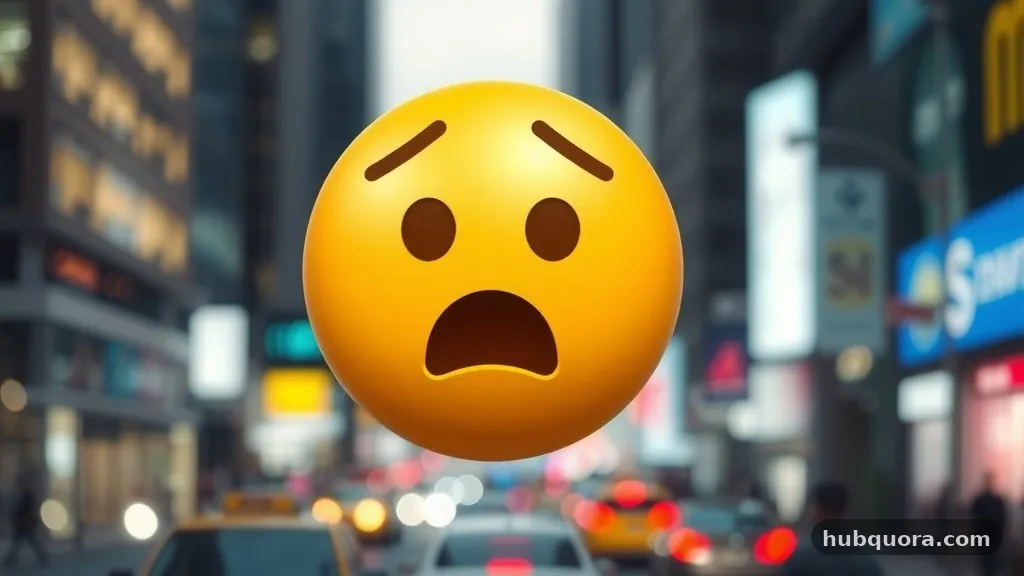
Emojis have become inseparable from the modern aww meaning. The 🥰, 😍, and 🥺 emojis are frequently paired with the word to remove any ambiguity. The “pleading face” emoji (🥺), in particular, has become the visual equivalent of “aww” when someone finds something incredibly endearing or is trying to be cute themselves.
These visual cues help standardize the interpretation of the word across different demographics. For younger generations, the combination of text and emoji is a complete communication unit.
Without the emoji, the text might feel incomplete or potentially sarcastic. This integration shows how language is evolving to prioritize clarity in a medium that lacks the physical presence of the speaker.
Aww in Romantic Contexts
When used in a romantic relationship, “aww” takes on a specific set of connotations. It is often used to respond to sweet messages, thoughtful gifts, or romantic declarations. In this context, it functions as a reward—a positive reinforcement that tells the partner their effort was recognized and appreciated.
However, be careful with how you use it. If a partner shares something deeply personal or vulnerable, a single “aww” can sometimes feel like a “shut down” response. It is often better to follow up with a full sentence.
For example, “Aww, that is so sweet, I really appreciate you saying that.” This expands the meaning beyond a simple sound into a genuine conversation starter.
Aww as a Tool for Disappointment
While usually positive, “aww” can also express disappointment. Think of a child who hears that a trip to the park has been canceled. Their “aww” is a sound of letdown.
In adult communication, this is often used in a self-deprecating or playful way. If someone suggests a plan that doesn’t work out, saying “Aww, man” is a common way to acknowledge the missed opportunity without sounding angry or confrontational.
This usage is a sign that the speaker is managing their emotions in a socially acceptable way. It turns a negative event into a shared moment of mild regret, which is far easier to handle than a blunt statement like “I hate that” or “That’s annoying.”
Why People Say Aww: The Psychology of Cuteness

The biological basis for why we use this sound is fascinating. Humans are hardwired to respond to “baby schema”—large eyes, round faces, and small features.
When we see these traits, our brains release dopamine, leading to a feeling of pleasure. The sound “aww” is our verbal release of that internal reaction.
This is why we use the word for puppies, kittens, and even inanimate objects like baby shoes or miniature versions of things. The sound is an involuntary response to the surge of positive emotion we experience. Understanding this psychological trigger helps explain why the word is so universal; it isn’t just a linguistic construct, but a physical manifestation of a biological reward system.
The Linguistic Geography of Aww
Interestingly, while the English language uses “aww,” other languages have their own versions of this sound. In some cultures, the sound might be closer to “ohhh” or “aaah.” However, the specific “aww” sound has become globalized due to the influence of English-language media and the internet.
You can find more information on the linguistic evolution of interjections through the Online Etymology Dictionary, which tracks how words and sounds gain meaning over time. The way we use language is never static; it is constantly shifting based on how we interact with the world and each other.
Common Misinterpretations and How to Avoid Them
Because “aww” is so context-dependent, it is prone to misinterpretation. One common issue is the “sarcastic aww.”
This occurs when someone uses the word to mock someone else’s sentiment. If a person is complaining about something trivial, a sarcastic “aww” can be seen as patronizing.
To avoid this, ensure your tone—if speaking—is sincere. In writing, use context clues. If you are worried that your “aww” might be taken the wrong way, add a clarifying sentence.
A simple “Aww, I’m sorry you’re going through that” eliminates the possibility of it being read as dismissive. Clarity is always the best policy when communicating complex emotions through text.
Addressing Topical Gaps: Is Aww Always Appropriate?
A question often ignored is whether there are situations where “aww” is never appropriate. It is generally best to avoid this term in formal or professional settings.
If a colleague is discussing a serious project failure or a significant personal loss, “aww” is far too casual and potentially offensive. In these cases, it is better to use clear, empathetic language that acknowledges the gravity of the situation.
* Avoid “aww” when discussing serious professional matters.
* Avoid “aww” when expressing condolences for a death or major tragedy.
* Use “aww” primarily in social, romantic, or lighthearted contexts.
* Always consider the relationship dynamic before using casual interjections.
FAQ
What does the “aww” emoji mean?
The “aww” emoji is not a single character, but usually refers to the 🥰 (smiling face with hearts) or 🥺 (pleading face). These emojis express feelings of endearment, love, or being overwhelmed by something cute, effectively acting as a visual translation of the verbal “aww” sound.
Is it ever rude to say “aww”?
Yes, it can be rude if used sarcastically to belittle someone’s feelings or if used in a highly formal or serious situation where it trivializes the topic. Always gauge the context; if the situation requires empathy or professional distance, avoid using casual interjections like “aww.”
How should I respond to someone saying “aww”?
The best response depends on the context of the conversation. If they are being sweet, a simple “I know, right?” or a heart emoji is appropriate. If they are being sympathetic, you can say “Thank you for understanding” or “I appreciate your support.” Match their energy level.
Does “aww” mean the same thing in every country?
While the core sentiment of endearment is universal, the specific sound “aww” is primarily an English-language interjection. However, thanks to the internet, it is widely recognized globally. Other languages have their own unique vocalizations for the same feeling, which may sound slightly different phonetically.

James Wilson is the founder and lead editor of HubQuora.com, where he covers the latest celebrity news, entertainment trends, viral gossip, and net worth stories. With a passion for pop culture and digital media, James delivers engaging, accurate, and up-to-date content that keeps readers informed about the world of celebrities, influencers, and entertainment industry buzz.