The ong meaning in contemporary digital discourse primarily functions as an emphatic marker of truth. When you see this term pop up on your feed, it is almost always a shorthand for “on God.” This slang has migrated from regional dialects into the core vocabulary of Gen Z and wider social media users.
It acts as an intensifier, essentially functioning as a modern-day oath or a promise that the statement being made is 100% true. While it might look like a typo to the uninitiated, it carries significant weight in how people communicate their sincerity during high-stakes or highly emotional conversations.
The Linguistic Roots of the Term

At its core, ong means “on God.” This phrase has a long history in African American Vernacular English (AAVE), where it serves as a way to swear by one‘s faith or integrity. By invoking a higher power, the speaker is signaling that they are not lying, exaggerating, or joking.
The transition from the full phrase to the truncated “ong” is a natural evolution of texting and rapid-fire internet communication. When typing on media platforms like X (formerly Twitter) or Instagram, efficiency often dictates how we shorten our words.
Because the term is so short, it is incredibly easy to type and fits perfectly into the fast-paced nature of digital interactions. It is often used at the end of a sentence to solidify a claim. For example, if someone says, “That was the best movie I’ve ever seen, ong,” they are asserting their opinion with absolute conviction.
The word has moved far beyond its initial cultural boundaries, becoming a staple of internet culture that transcends specific demographics. It is now common to see people from all walks of life using it to add a layer of personal accountability to their online posts.
How Ong Is Used in Modern Slang
The primary function of ong used in online spaces is to act as a rhetorical anchor. It serves as a replacement for more traditional phrases like “I promise,” “I swear,” or “for real.” Because the internet is a place where skepticism is the default setting, users need ways to cut through the noise.
Using this term is a way to say, “I am not just saying this for clout; I am telling you the facts.” It creates a sense of intimacy and honesty, even if the person on the other end is a complete stranger.
When you look at how it appears on platforms like TikTok, you notice it is frequently paired with other emotive language. You might see comments like, “This is the wildest story I’ve ever heard, ong,” or “I’m going to fix my sleep schedule, ong.” In these contexts, the term functions as a punctuation mark for the speaker’s intentions or observations.
It is less about religious devotion and more about a cultural shorthand for honesty. This semantic shift is common in language development, where phrases lose their literal religious or formal roots to become purely functional markers of intent.
Comparing Ong with Other Emphatic Slang
It is helpful to compare this term with other common phrases that serve a similar purpose. For instance, omg is an exclamation of surprise or shock, whereas “ong” is a declaration of veracity. They occupy different roles in a sentence.
While “omg” expresses an emotional reaction to an external event, “ong” expresses a commitment to the truth of one’s own words. People often confuse the two because they share similar acronym-style structures, but their actual usage is quite distinct.
To understand the nuance better, consider the following breakdown of how these terms compare in intensity and intent:
| Term | Primary Function | Typical Context |
|---|---|---|
| Ong | Veracity/Truth | Asserting a fact or promise |
| Omg | Surprise/Shock | Reacting to news or an event |
| Fr (For real) | Agreement/Validation | Confirming shared experience |
| Irl (In real life) | Location/Status | Differentiating digital vs physical |
As seen in the table, “ong” is specifically about the speaker’s own commitment to the truth. If you are debating a topic, you might use “fr” to show you agree with someone else, but you would use “ong” to defend your own statement against doubt. This makes it a powerful tool for self-advocacy in comment sections and group chats.
The Evolution of Digital Authenticity

The rise of this term is a direct response to the “post-truth” nature of the internet. Because it is so easy to spread misinformation or exaggerate for likes, users have developed a vocabulary of sincerity.
By using “ong,” a someone is attempting to bypass the inherent distrust of the digital space. It is a way of saying, “I am standing behind this statement, and I am willing to put my reputation on it.”
This desire for authenticity is a massive driver of current trends. We see this in the shift away from highly curated, polished content toward “raw” or “vlog-style” videos. The language we use has followed suit.
We no longer want to sound like corporate entities; we want to sound like people. Using slang like this helps to humanize the screen.
It reminds the reader that there is a real person with real beliefs behind the text. It is a linguistic strategy to build rapport and trust in an environment that is often criticized for being superficial.
Cultural Sensitivity and Linguistic Drift
It is important to acknowledge that the term originates from African American Vernacular English. As with many terms that migrate from marginalized groups into the mainstream, there is a complex history of appropriation.
While it is now ubiquitous across media platforms, it is worth remembering that the ong meaning carries a specific weight in its original context. For many, it is not just a casual interjection but a genuine appeal to their faith.
When users adopt this language, they should be aware of its roots. Language is never static, but it is always informed by its history. The transition from a deeply felt oath to a casual internet term is a common process, but it can lead to a dilution of meaning.
For some, the term remains a serious vow. For others, it is just a way to end a sentence.
Navigating this gap requires a bit of social awareness. If you are using it in a professional setting, it might come across as overly casual or even confusing to those who are not plugged into youth culture.
Addressing Topical Gaps: Beyond the Dictionary
Many people ask if “ong” has meanings in other languages, such as French or Chinese. In French, “ong” is not a standard term, though it may appear as a typo or in specific technical acronyms.
In some Chinese dialects, the sound “ong” exists, but it has no relation to the English slang usage. It is strictly a product of English-speaking internet culture.
Another gap in the current discourse is the medical or technical usage. You might occasionally see “ONG” as an acronym in medical records or organizational charts (often standing for “Non-Governmental Organization” in French/Spanish, or specific clinical markers). However, when you see it in a chat, a comment, or a tweet, it is almost certainly the slang version.
Distinguishing between these contexts is usually easy because the slang version is almost exclusively written in lowercase as a stylistic choice. If you see it in all caps, it is more likely to be an acronym for a formal body.
The Role of Context in Interpretation
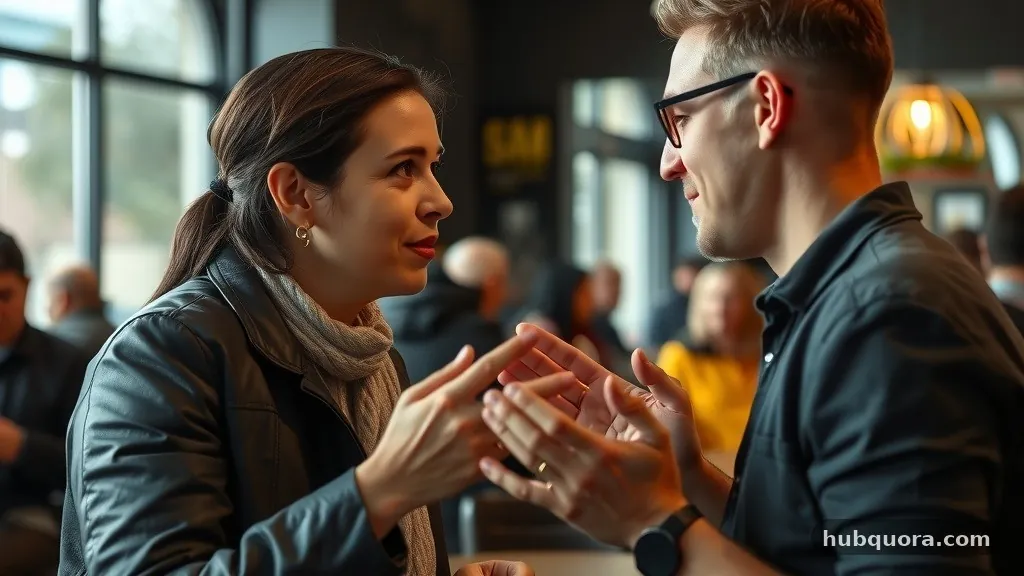
Context is everything when deciphering digital slang. If you see a user post, “I’m not doing that, ong,” the meaning is clear: they are making a firm refusal.
If they post, “This is the funniest thing ever, ong,” they are emphasizing their personal enjoyment. The term acts as a modifier that amplifies the emotion or the stance of the primary sentence.
You will notice that it is rarely used at the beginning of a sentence. It is almost always a trailing tag. This placement is deliberate.
It functions as a signature or a seal at the end of a thought. It is the period that has been replaced by a vow. This structural preference is a hallmark of how we communicate when we are typing quickly, as it allows the core message to be delivered first, followed by the “proof” of sincerity.
Why Gen Z and Online Communities Adopted It
The rapid adoption of this term by younger generations is a reflection of their unique relationship with digital truth. For a generation that grew up with the internet, authenticity is the highest form of currency. Because they have seen so much fake news and performative behavior, they have developed a keen radar for what is “real.”
By using specific words that carry a sense of gravity, they are signaling to their peers that they are part of the “in” group. It is a form of linguistic gatekeeping, but also a way to build community. When everyone in a chat uses the same vocabulary, it creates a sense of cohesion.
It allows for a shorthand that saves time and reinforces shared values. You can read more about how language evolves online through the lens of sociolinguistics at the Linguistic Society of America.
The Impact of Texting on Grammar
We are currently living through a massive shift in how we view “correct” grammar. The traditional rules of capitalization and punctuation are being discarded in favor of tone and speed. The term “ong” is a perfect example of this.
It doesn’t need to be capitalized, and it doesn’t need to be followed by a formal period. Its existence is defined by its social function rather than its grammatical accuracy.
This trend toward informal, expressive writing is not a decline in language quality, but rather an expansion of it. We are developing new ways to convey sincerity, irony, and excitement through text. “Ong” is just one tool in this new toolbox.
It allows the writer to convey a level of intensity that would be difficult to capture with standard punctuation alone. If you tried to express the same feeling with a formal sentence, you might have to write, “I solemnly swear that this statement is true.” That is far too long for a text message.
The Future of Emphatic Slang
Will this term stay relevant in the coming years? Language is fickle. Terms that are popular today can feel dated by tomorrow.
However, the need for a shorthand for “truth” is universal. As long as humans are communicating through screens, we will need ways to bridge the gap of skepticism.
Whether “ong” persists or is replaced by a newer term, the underlying impulse remains the same. We want to be believed. We want to share our truths in a way that feels authentic.
For now, this term is the gold standard for that kind of declaration. It has become so ingrained in the digital lexicon that it is likely to stick around for quite a while, even if it continues to evolve in how it is used across different platforms.
FAQ
What does ong mean in a text message?
In a text message, ong is an abbreviation for “on God.” It is used to emphasize that what the person is saying is true, acting as a modern-day swear or promise of sincerity regarding their claim or statement.
Is it offensive to use ong?
Generally, it is not considered offensive, but it is informal. Because it has roots in AAVE and references a religious concept, some people may find it trivializes the original phrase. Use it with awareness of your audience, especially in professional or formal settings.
How do you respond to someone who says ong?
You can respond by acknowledging the sincerity of their statement. If you agree, you might use a similar term like “fr” (for real) or simply acknowledge the sentiment. There is no formal requirement to reply, as it is often used as a sentence-ending intensifier.
Is ong used in other languages?
No, the slang usage of “ong” is specific to English-speaking internet culture. While the sound may exist in other languages, it does not carry the same meaning of “on God” or truth-assertion in those contexts. It is a unique product of digital communication.

James Wilson is the founder and lead editor of HubQuora.com, where he covers the latest celebrity news, entertainment trends, viral gossip, and net worth stories. With a passion for pop culture and digital media, James delivers engaging, accurate, and up-to-date content that keeps readers informed about the world of celebrities, influencers, and entertainment industry buzz.