The otw meaning is one of the most common pieces of digital communication shorthand you’ll encounter in modern texting. Standing for “on the way,” it serves as a straightforward method to inform someone that you have departed from your current location and are currently in transit to a specific destination.
While it might seem like a simple acronym, its usage has evolved to cover everything from casual social plans to urgent work-related updates. Understanding when to use this word ensures you can maintain clear, concise interactions with friends, family, and colleagues alike.
The Core Definition and Linguistic Origins

At its simplest, the definition otw is an abbreviation for the phrase “on the way.” It functions as an indicator of progress, signaling to the recipient that the sender is active and moving toward a target.
In the fast-paced world of mobile messaging, users prioritize efficiency. Typing out four full words takes significantly more time than three letters, making this shorthand a staple of mobile keyboards.
The rise of this term correlates directly with the explosion of SMS and instant messaging platforms. As mobile devices became the primary tool for social coordination, the need for quick, status-updating language became essential. Unlike more complex slang, this term remains universally understood across most age groups and demographics.
It doesn’t carry the baggage of generational irony or niche subculture jargon. Instead, it acts as a functional utility, bridging the gap between “I’m leaving now” and “I’ve arrived.” When someone sends this to you, the implied message is that they are no longer at their starting point and are committed to the journey.
Contextual Differences Between OTW and OMW
A frequent point of confusion for new users is the difference between otw and omw. While both are used to signal transit, they carry slightly different nuances in informal conversation. OMW stands for “on my way,” which is a personal, first-person declaration of movement. It is almost always used when you are the one currently traveling.
In contrast, OTW is more versatile. It can be used to describe your own movement, but it is also frequently used to describe the status of objects, deliveries, or even other people. For example, if you are asking about a package, you might ask, “Is my order otw?”
Similarly, if you are waiting for a friend who is lagging behind, you might ask, “Are you otw?” to check their status. This flexibility makes it a broader term than the strictly personal “on my way.” While they are often interchangeable in casual texting, recognizing this subtle distinction helps you sound more natural in your daily digital exchanges.
Usage in Personal Relationships and Social Planning
In the context of social life, otw is the primary tool for managing expectations. When you are meeting friends for dinner or heading to a house party, sending a quick update prevents the “where are you?” follow-up text. It acts as a status marker that lets the other person know you haven’t forgotten the event and are actively closing the distance.
However, the usage here can sometimes veer into “socially acceptable dishonesty.” Many people use this phrase before they have actually stepped out the door. It has become a way to signal, “I am getting ready, and I will be there soon,” rather than a literal report of being on the road.
In this sense, the meaning is often interpreted by the recipient as “I’m in the final stages of departure.” Understanding this social contract is vital; if you are still in the shower, sending this might lead your friends to think you are already five minutes down the road. Use it when you are genuinely in motion to maintain trust.
Professional Communication and Workplace Expectations

Using shorthand in a professional environment requires a bit more caution. While many modern workplaces have moved toward more informal communication styles via platforms like Slack or Microsoft Teams, the appropriateness of otw depends on your office culture.
If you are messaging a close teammate about meeting them in the conference room, it is perfectly acceptable. It conveys the information quickly without the need for formal email etiquette.
Conversely, if you are communicating with a client or a supervisor you don’t know well, it is usually better to be explicit. Instead of just firing off the acronym, consider saying, “I’m on my way and should arrive in ten minutes.” This adds a layer of clarity and professionalism that the abbreviation lacks.
When in doubt, mirror the communication style of the person you are messaging. If they use it, you are likely safe to use it back. If their messages are always formal, stick to full sentences to ensure you are meeting professional expectations.
The Role of OTW in Online Communities and AO3
Beyond simple status updates, the term has found a unique life in online fan fiction communities, particularly on platforms like Archive of Our Own (AO3). In these spaces, the otw meaning can sometimes refer to a “work in progress” or a story that the author is currently writing. When a fan says a story is otw, they are communicating that the next chapter or installment is currently being drafted.
This is a fascinating example of how digital language adapts to specific subcultures. While the core definition of “on the way” remains, the context shifts from physical travel to creative production. If you frequent these communities, you will see users asking authors, “When is the next part otw?”
This demonstrates how a simple piece of shorthand can be repurposed to serve the needs of a community. It is a testament to the fluidity of language in the digital age, where terms are constantly being refined by the users who interact with them daily.
OTW Meaning in Various Global Dialects
Because English is the lingua franca of the internet, this term is used globally. However, in regions where English is a second language, such as the Philippines, the usage can be even more integrated into daily speech.
In many Tagalog-speaking areas, the term is used interchangeably with local phrases to denote movement. It isn’t just an English loanword; it has become a fundamental part of the local digital communication lexicon.
In these contexts, the term is often used with a sense of urgency. Because traffic and transit conditions in many major cities are unpredictable, sending a message that you are otw provides a necessary peace of mind to the person waiting for you.
It serves as a bridge, keeping two people connected even when they are physically separated by distance. This global adoption shows that the need for simple, efficient communication is a universal human trait, regardless of the primary language spoken.
Common Misconceptions and Alternative Interpretations
While the primary meaning is straightforward, there are moments where the term can be misinterpreted. For instance, if you send this to someone who is not familiar with common texting shorthand, they might be confused.
Older generations or those who rely on formal email communication may find the lack of context jarring. Always consider your audience before using it.
Another misconception is that it always implies immediate arrival. If someone is traveling across the country, they might say they are otw even if they have hours of travel left. This can lead to frustration if the recipient expects the sender to arrive in a few minutes.
To avoid this, it is often helpful to pair the phrase with an estimated time of arrival (ETA). Saying “I’m otw, should be there in twenty minutes” is much more useful than just the acronym alone. Providing that extra bit of data clarifies the situation and eliminates the need for further questioning.
How to Use OTW Effectively
To use this term effectively, you should prioritize clarity and context. It is a tool for efficiency, not for saving time at the expense of understanding. Here are some best practices for incorporating it into your messages:
- Pair it with an ETA when possible: “I’m otw, be there in 15.”
- Use it for status updates rather than initial plans: It works best when the meeting is already confirmed.
- Avoid it in high-stakes professional emails: Stick to professional phrasing unless you have a well-established rapport.
- Be honest about your progress: Don’t use it as a stalling tactic if you are still at home.
- Respect the recipient’s time: If you are significantly delayed, it is better to send a full explanation than a vague acronym.
By following these simple rules, you can ensure that your use of the term is helpful rather than confusing. It remains a powerful way to keep the lines of communication open without cluttering your chat history.
Table: Comparing Common Transit Abbreviations
Understanding how different abbreviations compare can help you choose the right one for your specific situation. The following table breaks down common terms used for transit updates.
| Acronym | Full Phrase | Best Usage Context |
|---|---|---|
| OTW | On the way | General transit, deliveries, or social updates. |
| OMW | On my way | Personal, direct declaration of your movement. |
| ETA | Estimated time of arrival | When you need to provide a specific deadline. |
| BRT | Be right there | When you are extremely close to the destination. |
Each of these terms serves a slightly different function in the landscape of digital communication. While otw is the broadest and most versatile, using the others can add precision to your messages, helping you manage expectations more effectively in any given scenario.
Addressing Topical Gaps and Nuances
One area often overlooked in discussions about this term is its use in the “gig economy.” For delivery drivers, rideshare operators, and freelance couriers, the otw meaning is a vital part of the business model.
When a driver accepts a ride, the app often pushes a notification to the passenger that the driver is otw. This automated usage has normalized the term even further, moving it from a purely social tool to a professional standard.
Furthermore, some users wonder if the term is gendered or age-specific. Based on current usage trends, it is completely neutral. You will find it used by teenagers, business executives, and seniors alike.
It has transcended the “internet slang” label and effectively become part of the standard English lexicon for mobile users. The only real variation is in the capitalization—some prefer OTW, others prefer otw, and some use lowercase to appear more casual. All variations are perfectly acceptable in modern text-based communication, provided the recipient understands the context of the conversation.
The Future of Digital Shorthand
As voice-to-text technology and AI-driven messaging assistants become more common, the way we use these terms may change. We are already seeing “smart replies” that suggest phrases like “I’m on my way” automatically.
Even as the technology evolves, the underlying desire to communicate status quickly will remain. The otw meaning is unlikely to disappear because the fundamental human need to coordinate movement across space and time persists.
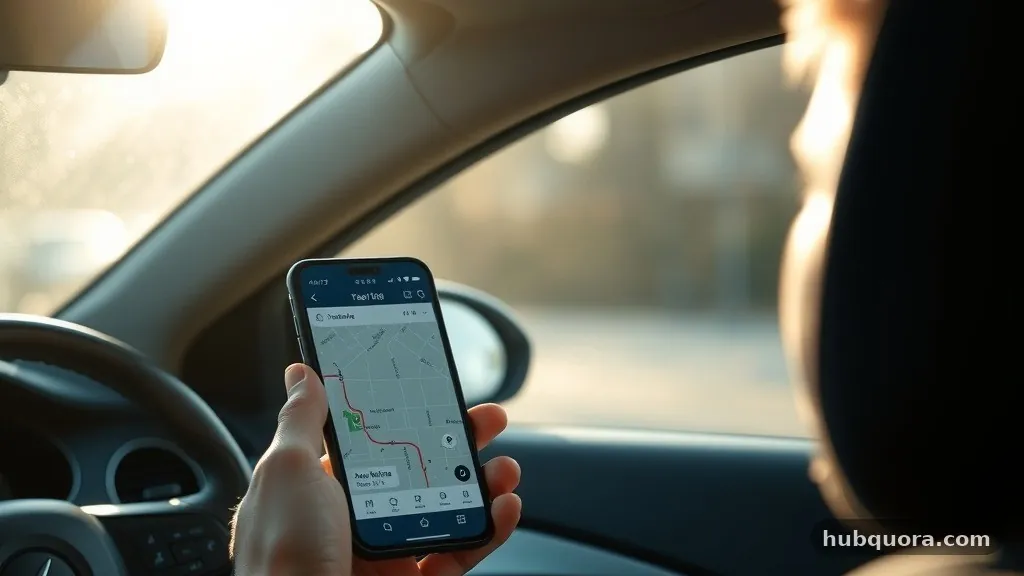
We are also seeing a shift toward more visual communication, such as location sharing via GPS. In many cases, sending your real-time location is more effective than typing any text. However, even when you share a map, a quick “I’m otw” message adds a human touch that a static pin on a map cannot convey.
It confirms that you are not just a dot on a screen, but a person actively moving toward the meeting point. This blend of technical data and human interaction is the hallmark of modern, effective communication.
FAQ
Is it okay to use OTW in a formal email to a boss?
Generally, no. It is best to avoid abbreviations in formal emails unless your workplace culture is extremely casual. If you are communicating with a supervisor or client, it is always safer to write out “I am on my way” to maintain a professional tone and ensure total clarity.
Does OTW always mean the person is driving?
Not necessarily. While it is often used by drivers, it simply indicates that you are in transit.
You could be walking, taking a train, or riding a bus. The specific mode of transport is usually implied by the context of the conversation rather than the acronym itself.
Can OTW be used to describe things other than people?
Yes, absolutely. It is frequently used for deliveries, packages, or even digital files. If you are waiting for a document to be finished or a shipment to arrive, asking if it is “otw” is a perfectly normal and common way to check on the status of that item.
Why do people use lowercase otw instead of uppercase?
Using lowercase is often a stylistic choice in digital messaging. It tends to feel more relaxed, conversational, and less aggressive than using all caps. In most casual texting environments, lowercase is the default, while uppercase might be used for emphasis or in more formal settings.
Understanding the otw meaning is about recognizing the role of efficiency in our daily connections. Whether you are using it to update a friend on your arrival time or checking on a package, it remains a pillar of modern messaging. By mastering its use, you ensure that your messages are clear, professional, and socially appropriate.
Always remember that the best communication is that which leaves no room for confusion, so don’t hesitate to add extra details when the situation demands it. For further reading on how language evolves in the digital space, you can check out the Merriam-Webster guide to texting abbreviations to see how these terms continue to shape our shared vocabulary.

James Wilson is the founder and lead editor of HubQuora.com, where he covers the latest celebrity news, entertainment trends, viral gossip, and net worth stories. With a passion for pop culture and digital media, James delivers engaging, accurate, and up-to-date content that keeps readers informed about the world of celebrities, influencers, and entertainment industry buzz.