
The leavening meaning centers on the transformative process of incorporating gas into a mixture to increase its volume and alter its texture. When you look at the fundamental mechanics of baking, you are observing a precise interaction between biological or chemical agents and the physical structure of proteins.
Whether you are working with a delicate cake batter or a robust loaf of sourdough, the goal remains the same: to create a light, porous crumb that is pleasant to eat. Without this essential step, most of our favorite baked goods would be dense, heavy, and unpalatable bricks.
Understanding how these agents interact with your ingredients allows you to move beyond simple recipes and start manipulating textures with confidence. It is not just about making things rise; it is about managing the timing of gas production to ensure it coincides with the setting of the structure. If the gas escapes too early, the bread collapses.
If the structure sets too quickly, the gas cannot expand. Balancing these two forces is the heart of the craft.
The Biological Foundation of Leavening
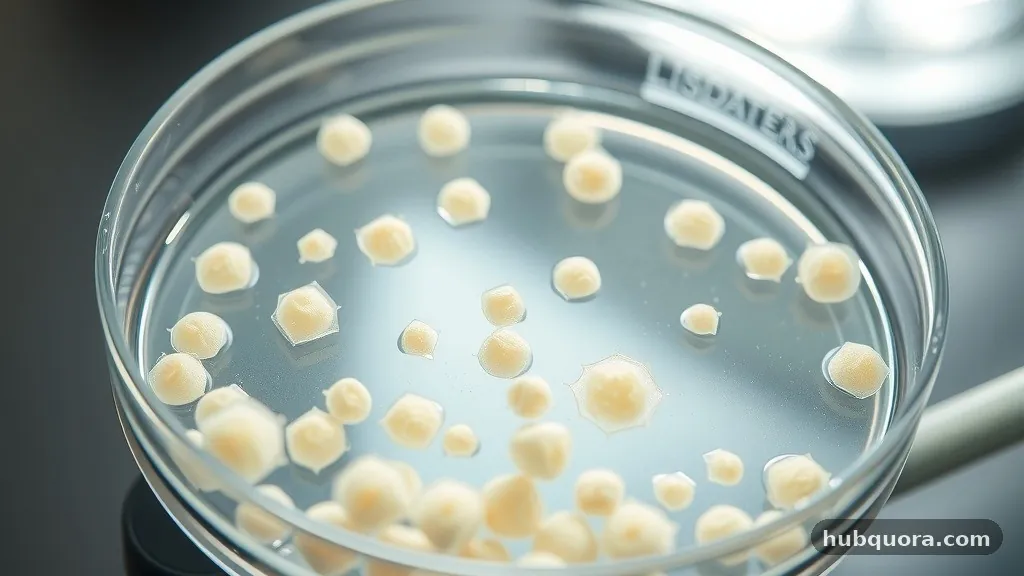
At its core, the leavening agent known as yeast is a living organism, specifically a single-celled fungus. When you add yeast to dough, you are initiating a fermentation process where the organism consumes sugars and releases carbon dioxide as a byproduct.
This gas becomes trapped within the elastic network of gluten proteins, causing the mixture to expand. This is a slow, methodical process that requires patience and specific environmental conditions to work effectively.
Temperature plays a massive role in how active your yeast becomes. If the environment is too cold, the yeast enters a dormant state, and the fermentation slows to a crawl. If the heat is too intense, you risk killing the yeast cells entirely.
Professional bakers often monitor the internal temperature of their dough to ensure consistent results. You’ll find that even a few degrees of difference can change the timeline of your proofing stage by an hour or more.
Beyond just the gas, the biological activity of yeast contributes complex flavor compounds to the final product. As the yeast works, it breaks down starches and proteins, creating organic acids and alcohols that give artisanal bread its characteristic tang and depth. This is why long-fermentation breads, such as those made with natural starters, have a vastly different flavor profile compared to those made with rapid-rise commercial varieties.
Chemical Leavening Agents: Speed and Precision
While biological fermentation is perfect for breads, it is often too slow and inconsistent for cakes, cookies, and muffins. This is where chemical leavening agents like baking powder and baking soda come into play.
These substances rely on acid-base reactions to produce gas almost immediately upon contact with moisture or heat. This allows for rapid expansion, which is necessary for products that do not have the strong gluten structure required to hold gas over long periods.
Baking soda, or sodium bicarbonate, is a base that requires an acidic ingredient—such as buttermilk, yogurt, or lemon juice—to trigger a reaction. As soon as these components mix, you get a rush of carbon dioxide.
Because this reaction is so fast, you must get your batter into the oven quickly. If you let it sit on the counter, the gas will dissipate into the room, and your cake will end up flat and dense.
Baking powder is a more complete solution because it contains both the base (baking soda) and the acid (usually cream of tartar or another dry acid). It is often “double-acting,” meaning it releases some gas when mixed with liquid and a second, larger burst of gas when exposed to the heat of the oven.
This provides a safety net for the baker, ensuring that the rise continues even after the product has begun to bake. You can learn more about the chemical properties of these substances through the Merriam-Webster definition of leaven to see how the linguistic usage aligns with the technical process.
The Physics of Air Incorporation
Not all rise comes from chemical or biological sources. Sometimes, the leavening meaning is purely mechanical. By whipping egg whites or creaming butter and sugar together, you are physically forcing air into the mixture.
This trapped air expands when heated, providing the lift needed for soufflés, sponge cakes, and meringues. This method requires a high degree of control over the fat and protein content of your ingredients.
When you cream butter and sugar, the jagged edges of the sugar crystals cut into the solid fat, creating tiny pockets that hold air. During the baking process, these pockets expand, and the fat provides a barrier that prevents the gas from escaping too quickly. This is why room-temperature butter is so critical in many recipes; if the butter is too cold, it won’t cream properly, and if it is too hot, it will melt and fail to trap the air.
Similarly, whipping egg whites creates a foam where protein strands wrap around air bubbles, creating a stable structure. If you add sugar to this foam, it stabilizes the protein walls even further, allowing for the creation of delicate meringues that can hold their shape indefinitely.
This physical process is incredibly sensitive to contamination. Even a tiny trace of egg yolk—which contains fat—can destroy the protein structure of the whites, preventing them from holding the air you’ve worked so hard to incorporate.
Comparing Leavening Methods
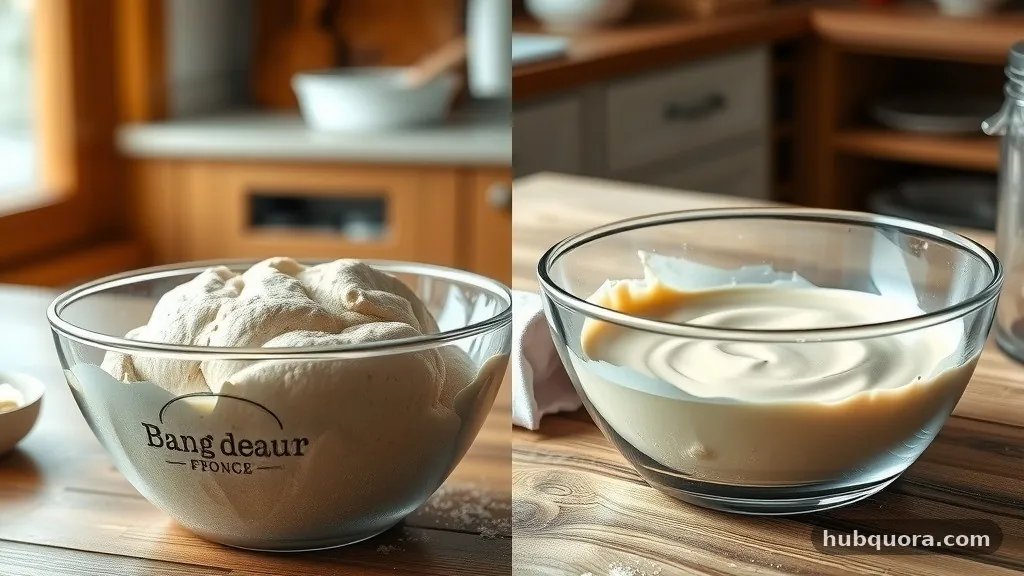
Different recipes call for different approaches based on the desired texture and the time available. Understanding the trade-offs between these methods is a key skill for any baker.
| Method | Mechanism | Best Use Case |
|---|---|---|
| Biological | Yeast fermentation | Artisan bread, pizza crust |
| Chemical | Acid-base reaction | Cakes, cookies, quick breads |
| Mechanical | Physical aeration | Meringue, soufflé, sponge cake |
| Steam | Evaporation of water | Puff pastry, choux pastry |
Each of these methods provides a distinct lift and mouthfeel. Steam, for example, is the primary driver of the rise in puff pastry.
As the water within the butter-laminated layers turns to steam, it forces the layers apart, creating the iconic flaky texture. There is no yeast or baking powder involved; the lift is entirely dependent on the physical properties of water and fat under high heat.
The Role of Gluten in Structural Support
The structure of your baked good must be strong enough to hold the gas, but flexible enough to expand. This is where gluten comes in. Gluten is the protein matrix formed when flour is mixed with water.
Without this matrix, the gas produced by your leaven would simply bubble out of the batter and escape into the oven. The gluten acts as a cage, holding the gas inside until the heat sets the structure of the starch and protein.
In bread making, you want a high-protein flour to develop a strong, elastic gluten network. This allows for a large, airy crumb. If you use a low-protein flour, the structure will be too weak, and the bread will collapse under its own weight.
Conversely, for delicate pastries, you want to minimize gluten development to keep the texture tender. This is why you use cake flour and handle the batter as little as possible.
The “work” you put into kneading the dough is essentially the process of aligning these gluten strands. As you fold and stretch the dough, you are organizing the proteins into a cohesive, organized mesh. If you don’t knead enough, the structure will be disorganized and unable to trap gas.
If you knead too much, the gluten becomes so tight that the bread will be tough and chewy. It is a delicate balance that defines the texture of the finished loaf.
Common Mistakes in the Leavening Process
Even experienced bakers run into issues when the rise doesn’t happen as expected. Often, the problem lies in the age or quality of the leavening agent. Baking powder, for instance, loses its potency over time.
If you have a tin sitting in the back of your pantry for two years, it might not provide the lift you need. It is a good practice to test your baking powder by dropping a small amount into hot water; if it bubbles vigorously, it is still active.
Another common error is the incorrect measurement of ingredients. Because chemical leaveners are so potent, even a slight excess can cause a product to rise too quickly and then collapse, or leave a bitter, soapy aftertaste. Using a kitchen scale is far more accurate than using measuring cups, which can lead to significant variations in the density of your flour.
Temperature management is also frequently overlooked. If you are baking in a kitchen that is too hot, your butter may melt before the cake has a chance to rise, resulting in a greasy, flat product.
Likewise, if your oven temperature is inaccurate, your leaveners may not activate at the right time. Investing in a reliable oven thermometer is one of the cheapest and most effective ways to improve your baking results immediately.
Addressing Topical Gaps: The Chemistry of Steam
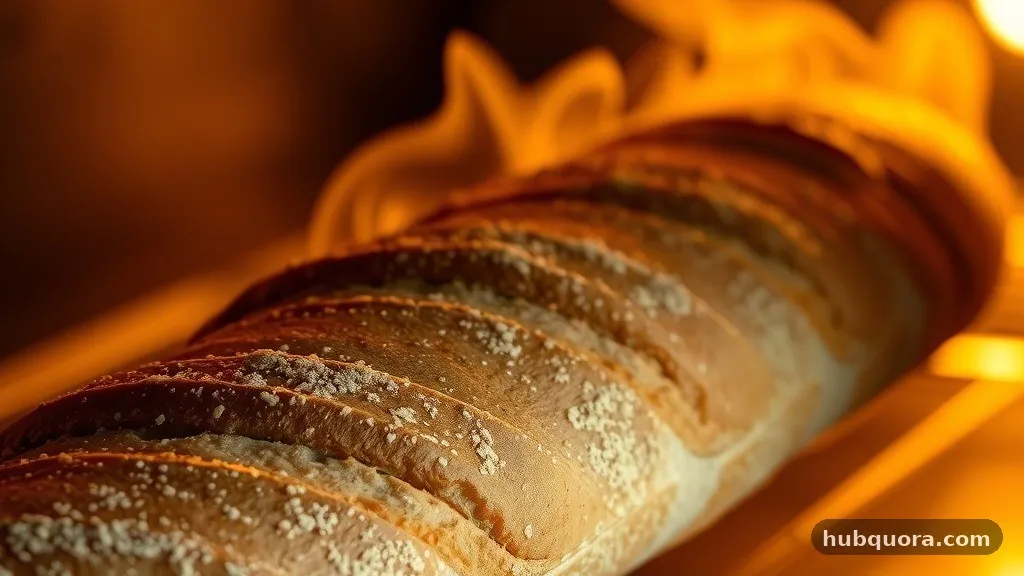
One area often overlooked in general discussions is the role of steam as a primary leavening agent. While we often focus on yeast and baking powder, steam is critical for many products, particularly those with high fat content.
When you bake a croissant or a puff pastry, you are relying on the rapid evaporation of water in the butter layers. This is why high heat is required at the start of the baking process; you need the water to flash into steam before the structure of the pastry sets.
This concept also applies to popovers and Yorkshire puddings. The batter for these items is quite thin, allowing the steam to expand the structure rapidly.
If the oven isn’t hot enough, the steam escapes slowly, and the structure doesn’t get that dramatic, hollow rise. By understanding that steam is a valid and powerful force for lift, you can better troubleshoot recipes that rely on laminated doughs or high-hydration batters.
You should also consider the role of humidity in your kitchen. In very humid environments, flour absorbs more moisture from the air, which can change the hydration levels of your dough.
This can make the gluten network stickier and harder to manage, potentially hindering the rise. Adjusting your liquid measurements based on the humidity of the day is a hallmark of an advanced baker who understands the nuance of the environment.
The Language of Baking: Synonyms and Nuance
The word you’ll find used in professional circles often varies. While “leaven” is the standard term, you might hear bakers talk about “proofing,” “fermenting,” or “aerating.” Each of these terms refers to a specific part of the process.
Proofing is the final rise before baking; fermenting is the active life of the yeast; aerating is the physical incorporation of air. Using these terms correctly helps you communicate more effectively in a kitchen setting.
If you are looking for a synonym for leavening, you might encounter words like “rising,” “puffing,” or “aeration.” However, “leavening” remains the most precise term because it implies the addition of a specific agent to cause the rise.
When you read an entry citation in a culinary textbook, you will see that the term is reserved for the active process of gas generation. It is not just about the change in volume; it is about the chemical and biological work that makes that change possible.
When you look at a words list of baking terminology, you will see how interconnected these concepts are. The leavening meaning is essentially a gateway into the broader science of baking.
By mastering this one concept, you gain a deeper understanding of how every ingredient in your pantry works together. It is a fascinating subject that rewards those who take the time to observe the subtle reactions happening inside their mixing bowls and ovens.
Historical Context of Leavened Bread
The history of leavening is as old as civilization itself. The earliest breads were likely flat, unleavened cakes made from ground grains and water.
It is believed that the discovery of leavened bread was accidental, perhaps caused by a batch of dough being left out and captured by wild yeast spores from the air. This “sourdough” method was the standard for thousands of years, as it was the only way to create a light, digestible loaf.
Ancient Egyptians were among the first to master the art of leavening, using their knowledge of fermentation to produce a wide variety of breads for the masses and the elite. They understood that by keeping a portion of the old dough to seed the new batch, they could maintain a consistent flavor and rise. This practice of keeping a starter is still the gold standard for artisanal bakers today.
The transition to commercial, refined yeast in the 19th century revolutionized the industry, making bread production faster and more consistent. However, this also led to a loss of the complex flavors associated with long-fermented doughs.
Today, there is a massive resurgence in the interest in ancient grains and natural starters, as people look to reconnect with these traditional methods. Understanding the history of the leavening meaning gives you a greater appreciation for the craftsmanship involved in a simple, perfectly baked loaf.
Practical Tips for Success
To achieve the best results, you need a disciplined approach to your workflow. Start by keeping a log of your bakes.
Record the temperature of your kitchen, the time taken for the rise, and any modifications you made to the recipe. Over time, this data will reveal patterns that you can use to refine your technique.
* Always weigh your ingredients rather than using volume measurements.
* Ensure your yeast is fresh and stored in a cool, dark place.
* Allow your dough to rise in a draft-free environment.
* Don’t be afraid to experiment with different flour types to see how they affect the rise.
* Use a thermometer to check the internal temperature of your bread to ensure it is fully cooked.
Following these steps will help you move from a casual baker to a proficient one. The leavening agent is just one part of the puzzle, but it is the most critical part for achieving that light, airy texture we all crave. By focusing on the science behind the rise, you can avoid the common pitfalls that lead to dense, heavy, or uneven results in your baking.
FAQ: Common Questions About Leavening
What is the most common leavening agent used in everyday baking?
Baking powder is the most common agent for quick breads, cakes, and muffins. It is favored because it acts as a complete system, providing both the base and the acid needed for a reliable, consistent rise without requiring a long fermentation time.
Can I substitute baking soda for baking powder?
You cannot directly substitute them because they work differently. Baking soda requires an added acid, like vinegar or buttermilk, to activate. If a recipe calls for baking powder, it already has the necessary dry acid included. Replacing one with the other will likely result in a failed rise or a strange taste.
Why does my bread collapse during the proofing stage?
A collapse usually happens because the gluten structure is too weak or the yeast has over-proofed. If the dough rises for too long, the gas bubbles become too large and the gluten walls stretch to the point of breaking. Once the structure is compromised, it cannot hold the gas, leading to a deflated loaf.
How can I tell if my yeast is still alive?
To test your yeast, dissolve a teaspoon of sugar in warm water and add the yeast. Let it sit for about ten minutes. If the mixture becomes foamy and smells like bread, the yeast is active and ready to use. If there is no activity, the yeast is likely dead.

James Wilson is the founder and lead editor of HubQuora.com, where he covers the latest celebrity news, entertainment trends, viral gossip, and net worth stories. With a passion for pop culture and digital media, James delivers engaging, accurate, and up-to-date content that keeps readers informed about the world of celebrities, influencers, and entertainment industry buzz.