
Habibti meaning is usually “my beloved,” “my dear,” or “my darling” in Arabic. People use this affectionate word when speaking to a woman or girl, although the exact feeling depends on the relationship and situation.
It can express romantic love, family affection, friendship, warmth, or simple familiarity. The word often appears in Arabic conversations, messages, songs, and social media, so understanding its grammar and tone helps you interpret it correctly.
Habibti Meaning in Arabic and English
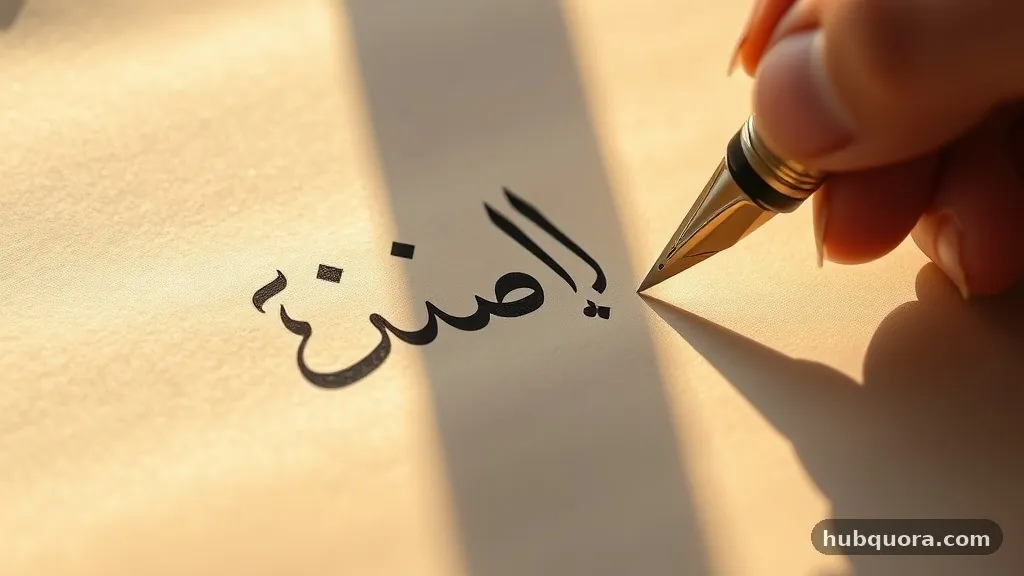
In Arabic, habibti is written as حبيبتي. It is commonly transliterated as habibti, habībti, or sometimes habibaty, depending on the system used to represent Arabic sounds in English. The word translates most directly as “my beloved” or “my dear.” In natural English, though, speakers may render it as “darling,” “sweetheart,” “love,” or “my dear one.”
The word comes from the Arabic root associated with love and affection. Its masculine counterpart is habibi (حبيبي), meaning “my beloved” when addressing a man or boy. The final sound changes because Arabic marks the gender of the person being addressed. Habibti addresses a female; habibi addresses a male.
That grammatical distinction matters, but it doesn’t tell you the entire emotional meaning. A mother may say habibti to her daughter. Two close female friends may use it with one another.
A romantic partner may say it to a woman he loves. A shopkeeper, older relative, or stranger might also use the term in a friendly and warm way, depending on regional culture and personal style.
English doesn’t have a single equivalent that works in every setting. “My love” can sound romantic, while “dear” may sound formal or old-fashioned. Habibti can cover a wider range of relationships, from family members to loved ones and close friends.
- Direct meaning: my beloved, my dear, or my darling.
- Arabic spelling: حبيبتي.
- Female form: used when addressing a woman or girl.
- Male form: habibi, used when addressing a man or boy.
- Possible tone: romantic, familial, caring, friendly, or playful.
So, if someone says habibti to a woman, the safest basic interpretation is “my dear” or “my beloved.” The relationship and surrounding words determine whether it carries romantic intent.
How to Pronounce Habibti
Habibti pronunciation is approximately ha-BEEB-tee. The middle syllable receives the strongest emphasis in a simple English approximation. The first sound is a short “ha,” the second part sounds like “beeb,” and the final syllable sounds like “tee.” Arabic pronunciation can vary by dialect, so you’ll hear slight differences across regions.
The first consonant in the word is ح, a sound that doesn’t have an exact equivalent in standard English. It is produced farther back in the throat than the ordinary English “h.” Many English speakers pronounce it as a familiar “h,” which is understandable and usually clear in casual conversation. The long vowel in the middle is represented by ي in the Arabic spelling and gives the word its “ee” sound.
Written Arabic does not normally show every short vowel. The spelling حبيبتي contains the consonants and long vowels that identify the word, while readers supply the shorter vowel sounds from context. Transliteration systems try to make those sounds visible in Latin letters, but spellings vary.
You may see habibti, habibty, habībti, or habibati. These forms generally point to the same Arabic expression.
Try saying the word in three parts:
- Say “ha” lightly.
- Say “beeb” with a long “ee” vowel.
- Finish with “tee.”
The pronunciation should sound warm rather than sharply separated into individual syllables. In fast speech, native speakers may blend the sounds, especially in a longer sentence.
If you’re learning Arabic, listening to native speakers is more useful than relying on one English spelling. The Encyclopaedia Britannica overview of the Arabic language provides helpful background on Arabic as a language with multiple regional varieties.
Why the Ending Changes: Habibti and Habibi
The difference between habibti and habibi is grammatical. Arabic uses different forms depending on the gender of the person receiving the expression.
Habibti is the form directed to a female, while habibi is directed to a male. This distinction describes the person being addressed, not necessarily the gender of the speaker.
A woman can say habibti to another woman. A man can say habibti to a woman.
A parent can use it with a daughter, and a woman can use it with her sister or close friend. The word’s ending doesn’t mean that the speaker is female; it means the listener is female.
| Arabic expression | Arabic script | Person addressed | Common English sense |
|---|---|---|---|
| Habibti | حبيبتي | Female | My dear, my beloved |
| Habibi | حبيبي | Male | My dear, my beloved |
| Habib | حبيب | Usually a male noun or name-related form | Beloved or dear one |
| Habiba | حبيبة | Usually a female noun or name-related form | Beloved woman or dear one |
Arabic grammar can also mark other details, such as number and whether a phrase is being used as a noun or direct address. In everyday conversation, however, the habibti and habibi contrast is the distinction English-speaking learners most often need.
It’s also possible to encounter nonstandard spellings online. People writing Arabic with Latin letters may omit vowels, replace sounds, or choose a spelling that reflects their local pronunciation. Habibti, habibty, and habibatee may look different, but the intended word can still be obvious from the conversation.
Habibti Use in Romance, Family, and Friendship
Habibti use depends heavily on closeness. In a romantic relationship, the word can communicate tenderness and attachment.
A partner might say it while greeting someone, offering reassurance, or making a loving comment. In that setting, “my love” or “darling” may be the best English translation.
Family use is just as important. Parents may call their daughters habibti, and older relatives may use it toward younger women or girls. The expression can show care without suggesting romance.
A mother saying “Come here, habibti” is usually expressing affection and familiarity, not romantic love. English learners sometimes miss this family meaning because “my beloved” sounds more intense in a direct translation.
Friends may also use habibti, particularly when they have a warm and close relationship. Two women might say it while comforting one another, celebrating good news, or joking around. In some communities, affectionate terms are used more openly in ordinary conversation than they are in certain English-speaking settings.
A person may use habibti with someone who isn’t a close friend, too. A friendly woman addressing another woman may choose it to sound kind, welcoming, or reassuring. The social setting, age difference, regional dialect, and speaker’s personality all affect how it feels.
An older woman speaking to a younger woman may use the word in a nurturing way. A salesperson or service worker might use it as a familiar form of address in a culture where affectionate language is common.
These examples show why translating the word without context can create confusion:
- Romantic: “Goodnight, habibti” may mean “Goodnight, my love.”
- Parental: “Are you hungry, habibti?” may mean “Are you hungry, sweetheart?”
- Friendly: “You did a great job, habibti” may express warm encouragement.
- Comforting: “Don’t worry, habibti” may communicate care and emotional support.
- Playful: Friends may use it jokingly without a romantic message.
But it does not prove a
The word indicates affection, but it does not prove a romantic relationship. You need to consider the complete exchange rather than treating one term as a hidden declaration of love.
Habibti Meaning in Islam and Arabic Culture
Many people search for habibti meaning in Islam because they encounter the word in Muslim families, religious communities, or Arabic-language media. Habibti is an Arabic term of endearment, not a uniquely Islamic religious formula. Muslims may use it, but Arabic-speaking people from different religious backgrounds can use it as well.
The word’s connection to love, kindness, and affection fits naturally within family and community speech. Still, the expression itself does not automatically carry a religious meaning.
It is not limited to prayer, scripture, or formal religious teaching. A person can say habibti in a personal conversation without making a religious statement.
Culture shapes how openly people use affectionate language. In some Arabic-speaking communities, terms such as habibti, habibi, ya rohi (“my soul”), or similar expressions can appear in everyday speech between relatives and friends. In other settings, speakers may reserve especially intimate terms for family or romantic partners.
Dialect matters, too. Arabic is spoken across a wide geographic area, and social conventions differ from one country, city, and household to another.
The word can also appear in Muslim communities where Arabic isn’t the main everyday language. For example, families may use Arabic expressions alongside Urdu, English, French, Turkish, or another local language.
That does not make habibti an Urdu word in origin. Its origin is Arabic, though speakers of Urdu may understand and use it because Arabic vocabulary has influenced Urdu through religion, literature, and shared cultural history.
Respectful interpretation requires avoiding broad assumptions. Not every Arabic speaker uses habibti in the same way, and not every Muslim person uses it. The safest explanation is that habibti is an affectionate Arabic expression whose social meaning depends on the speaker, listener, and context.
Habibti Meaning in Urdu and Other Languages
Searches for habibti meaning in Urdu usually reflect a desire for an accessible translation rather than a different definition. In Urdu, habibti may be explained with words such as “meri mehbooba,” “meri pyari,” or “meri aziz,” depending on the intended tone. These approximate “my beloved,” “my dear,” and “my cherished one.” The best choice changes with the relationship.
In English, “my dear” is often the safest neutral translation. “My love” works in a romantic sentence, while “sweetheart” may fit a family or friendly exchange. “Beloved” is accurate but sounds literary in modern everyday English. Translation is therefore not just a word-for-word exercise; it is also a matter of register and emotion.
People may write the term in different scripts. Arabic speakers use حبيبتي. English and Urdu internet users may write habibti in Latin letters.
Some Urdu speakers may write the word in the Perso-Arabic script used for Urdu, although spelling conventions can vary. Online messages often remove diacritics and shorten vowels, which makes multiple written forms common.
Consider the difference between these translations:
| Context | Natural translation | Why it fits |
|---|---|---|
| Partner addressing a woman | My love | Communicates romantic intimacy |
| Parent addressing a daughter | Sweetheart | Shows family affection without romance |
| Close friend offering support | My dear | Sounds caring and warm |
| Literal or poetic translation | My beloved | Preserves the direct sense of the Arabic |
This range explains why dictionary-style translations can feel incomplete. The word’s core meaning stays stable, while its emotional shade changes with the conversation.
What Does Habibti Mean to a Girl?
If someone says habibti to a girl or woman, it means the speaker is addressing her with a feminine Arabic term of affection. It may mean “my dear,” “my darling,” “sweetheart,” or “my beloved.” The phrase alone cannot establish whether the speaker has romantic feelings.
Look for additional clues. A romantic message may include other intimate language, personal compliments, or references to a relationship. A family conversation may include practical questions, reassurance, or familiar forms of care.
A friend may use habibti alongside humor, encouragement, or emotional support. The surrounding words and the speaker’s normal communication style provide more information than the term alone.
Tone matters in spoken Arabic. A gentle voice can make habibti sound comforting. A playful tone can make it teasing.
A serious exchange may make it feel deeply reassuring. Written messages remove much of that information, so punctuation, emojis, timing, and the history between the people may influence interpretation.
There is also a difference between a word being affectionate and being exclusive. Some speakers use terms of endearment with many people they care about. Others use habibti only with a partner or immediate family.
Neither pattern is universally correct. Personal habits vary.
If you’re unsure how to respond, you don’t need to assume the strongest possible meaning. A warm answer such as “Thank you” or “That’s sweet” can acknowledge the affection without defining the relationship. If the situation feels romantic and you need clarity, asking what the person means is more reliable than relying on an online translation.
How to Use Habibti Naturally
Use habibti when you are speaking to a female person and want to express warmth or affection. It can stand alone as a form of address or appear inside a sentence. For example, a speaker might say “Habibti, how are you?” or “Thank you, habibti.” In English writing, a comma often separates the name-like term from the rest of the sentence.
Pronunciation and relationship are both important. If you use the word with someone who understands Arabic, a thoughtful attempt may be appreciated, but using it casually with a stranger can feel overly familiar in some contexts. Learn how the people around you use affectionate language before adopting it yourself.
Don’t use habibti for a man. Use habibi instead. Don’t assume that adding the word automatically makes a sentence romantic.
It expresses closeness, but the type of closeness comes from context. Also remember that regional dialects can influence vowel sounds and preferred terms. A phrase that sounds natural in one Arabic-speaking community may feel less common in another.
For learners, these habits are useful:
- Use habibti when addressing a woman or girl.
- Use habibi when addressing a man or boy.
- Pay attention to whether the relationship is romantic, familial, or friendly.
- Listen to native speakers rather than trusting one fixed transliteration.
- Ask about local usage if you are speaking with Arabic-speaking friends.
- Keep the expression warm and respectful instead of using it as a joke about someone’s culture.
Habibti can sound natural in affectionate speech, but it isn’t a universal substitute for a person’s name. In a formal workplace or unfamiliar setting, a neutral greeting is usually more appropriate. Familiarity should be earned through the relationship, not presumed from a translated phrase.
Common Misunderstandings About Habibti
One common misunderstanding is that habibti always means “girlfriend” or “wife.” It doesn’t. The word means “my beloved” or “my dear” in a broad affectionate sense, and speakers may use it for relatives, friends, children, or romantic partners.
Another mistake is assuming that the speaker’s gender determines the form. It doesn’t.
The ending points to the gender of the person being addressed. A female speaker addressing a female friend can say habibti, just as a male speaker addressing a female relative can say it.
Some learners also treat habibti as a formal Arabic word with one fixed pronunciation. Arabic has many dialects, and transliteration is inconsistent.
The core word remains recognizable, but sounds may differ. Online spellings are especially flexible because people often write Arabic phonetically using English letters.
People sometimes connect the word exclusively with Islam. That is also too narrow.
Habibti is Arabic and can be used by Arabic speakers in ordinary social settings regardless of religious identity. Its use in Muslim communities reflects the presence of Arabic language and culture, not a restriction that makes the word religious by definition.
Finally, literal translation can exaggerate or flatten the feeling. “Beloved” sounds highly poetic in English, while habibti may be an everyday expression. “Dear” may sound too mild in a romantic exchange. Interpretation works best when grammar, relationship, tone, and cultural setting are considered together.
Conclusion: The Practical Meaning of Habibti
Habibti means “my beloved,” “my dear,” or “my darling” in Arabic, and it is used to address a female. The expression can communicate romantic love, family care, friendship, comfort, or friendly familiarity. Its masculine counterpart is habibi, which addresses a male.
Since the word is not exclusively romantic or religious, context is essential. Pay attention to the relationship, tone, surrounding language, and regional usage before deciding exactly what someone intends.
Frequently Asked Questions About Habibti Meaning
What does habibti mean in English?
Habibti usually means “my dear,” “my darling,” “my beloved,” or “my love.” The most natural English translation depends on context. A romantic partner may mean “my love,” while a parent speaking to a daughter may mean “sweetheart” or “my dear.”
Is habibti romantic?
Habibti can be romantic, but it isn’t always romantic. Arabic speakers may use it with a partner, daughter, female relative, or close friend. The relationship, tone, and surrounding words show whether the expression communicates romantic love, family affection, comfort, or friendly warmth.
What is the difference between habibi and habibti?
Habibi addresses a male and habibti addresses a female. Both expressions generally mean “my beloved” or “my dear.” The difference refers to the gender of the person being addressed, not the gender of the speaker. A woman can say habibti to another woman.
How do you pronounce habibti?
Habibti is commonly approximated as ha-BEEB-tee. The middle syllable has a long “ee” sound, and the final syllable sounds like “tee.” Regional Arabic dialects may produce small pronunciation differences, and transliterations such as habibty may represent the same word.

James Wilson is the founder and lead editor of HubQuora.com, where he covers the latest celebrity news, entertainment trends, viral gossip, and net worth stories. With a passion for pop culture and digital media, James delivers engaging, accurate, and up-to-date content that keeps readers informed about the world of celebrities, influencers, and entertainment industry buzz.