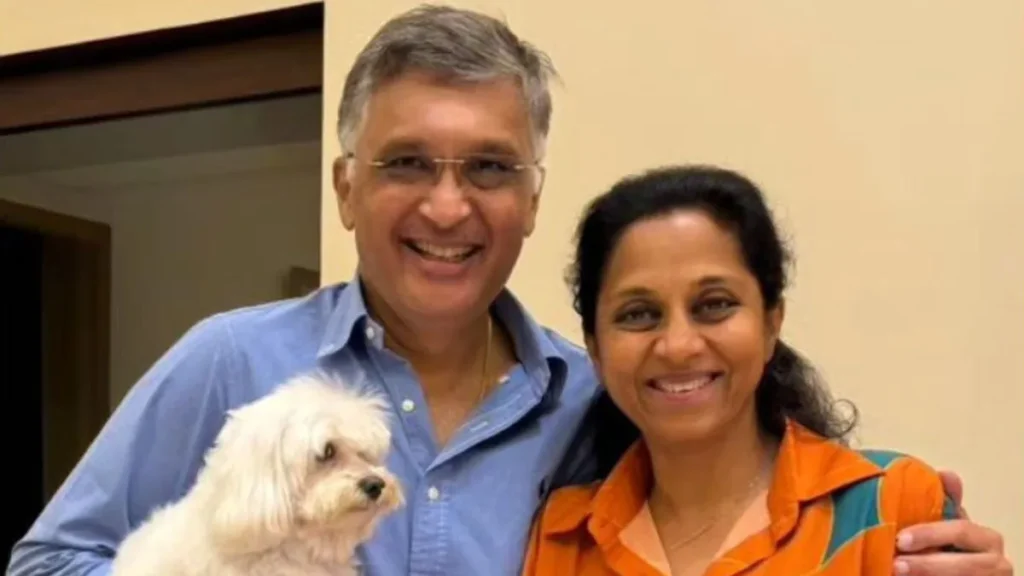
Searches for Sadanand Bhalchandra Sule Wikipedia often lead to uncertainty because the name is connected in online discussions with Maharashtra’s prominent Pawar family, yet a clearly established, independently sourced public biography is not readily available. The safest way to approach the subject is to separate confirmed information from assumptions, distinguish Sadanand Sule from Supriya Sule and other members of the Pawar family, and avoid presenting private or unverified details as fact.
Who Is Sadanand Bhalchandra Sule?
Sadanand Bhalchandra Sule is a relatively obscure public figure whose identity is frequently discussed in relation to the wider Pawar family and Maharashtra’s political circles. Unlike nationally prominent politicians, he does not appear to have a broadly documented public career with a consistently reported office, election record, or official profile. That limited visibility is the main reason online searches can produce incomplete, mixed, or misleading results.
The word “Wikipedia” in a search query does not automatically mean that a person has a dedicated Wikipedia article. Search engines may associate a name with Wikipedia because of related pages, family members, archived references, or snippets that combine several entities. In this case, readers should be careful not to treat a search suggestion as proof that a verified biography exists.
Several names appear in overlapping searches:
- Sadanand Bhalchandra Sule, the subject of this article and a person about whom publicly documented information is limited.
- Supriya Sule, an Indian politician and Member of Parliament associated with Maharashtra.
- Sharad Pawar, a major figure in Indian politics and the Nationalist Congress Party tradition.
- Sadanand Sule, a shorter form that may refer to the same person, but should not be assumed to identify a different individual without evidence.
Names are often shortened in news reports, social media posts, electoral material, and family references. A middle name can disappear, a spelling can change, or a person can be confused with another individual who has a similar surname. Consequently, a responsible biography should use the full name where possible and identify the precise source for every important claim.
At present, the most defensible description is that Sadanand Bhalchandra Sule is a person associated in public searches with the Sule and Pawar family context, but whose profession, public office, age, parents, religion, caste, and detailed career history should not be stated as established facts unless supported by reliable records. That distinction matters, especially when the subject may be a private individual rather than an elected representative.
Why the Name Is Connected With Supriya Sule and the Pawar Family
The name attracts attention because Supriya Sule belongs to one of Maharashtra’s best-known political families, while the surname Sule appears in searches about family relationships and public life. However, a surname alone cannot prove a particular relationship. A credible account must rely on direct statements, official biographies, reputable journalism, or authoritative public records.
Supriya Sule is widely recognised as an Indian politician from Maharashtra. She has represented Baramati in the Lok Sabha and has been associated with the Nationalist Congress Party, a political organisation founded by Sharad Pawar.
Her public career includes parliamentary work, election campaigns, policy discussions, and advocacy involving women and social issues. Those documented facts belong to Supriya Sule’s biography; they should not automatically be transferred to Sadanand Bhalchandra Sule.
Online family-tree discussions sometimes use broad labels such as “Pawar family,” “Sule family,” or “political family.” These labels can be useful for orientation, but they are not substitutes for a documented genealogy. A person may be related by marriage, may share a surname, or may simply appear in the same social and political network. The terms “husband,” “brother,” “relative,” and “family member” have different meanings and need evidence before publication.
Readers also ask about a possible relationship with Thakre or Thackeray figures. There is no sound basis for treating a search association as proof of a direct relation.
Maharashtra’s political families often interact through campaigns, alliances, parliamentary politics, social events, and party negotiations. Public contact or political proximity does not establish a biological or marital connection.
The same caution applies to questions about the son and daughter of Sharad Pawar. Public discussion commonly identifies Supriya Sule as Sharad Pawar’s daughter, while family references may also mention other relatives.
That information does not by itself establish who Sadanand Bhalchandra Sule is, what his role may be, or how he fits into a family tree. Each relationship should be checked independently rather than inferred from shared search results.
What Is Actually Known About His Profession and Public Role?
No consistently verified public record clearly establishes Sadanand Bhalchandra Sule’s profession, employer, political office, or business position. Claims that he worked for a particular company, including references involving Mahindra or other Indian firms, require a source that names the individual unambiguously.
One reason confusion develops is that company names and family names are often combined in scraped databases. A page may list an executive, director, consultant, shareholder, or employee with the surname Sule, but that does not prove the person is Sadanand Bhalchandra Sule. Even when the first name matches, identity verification requires additional details such as a middle name, location, corporate registration, or a professional profile.
The same problem affects claims about political work. Being present at a campaign, appearing near an elected representative, or being mentioned in a pre-bye poll report does not necessarily mean someone held a formal party position.
A genuine political biography would normally identify a constituency, election year, party role, office, or public statement. Without those details, phrases such as “political leader,” “party strategist,” or “member of parliament” can be inaccurate.
The following distinction helps readers assess common claims:
| Claim category | What would verify it | Safe wording when evidence is absent |
|---|---|---|
| Profession or employer | Corporate filing, employer biography, or reputable reporting | “His profession is not clearly documented in reliable public sources.” |
| Election involvement | Official election record or credible campaign reporting | “A political connection should not be inferred from name association alone.” |
| Family relationship | Direct statement, official biography, or established publication | “The relationship remains unverified.” |
| Age and birth details | Official profile or dependable biographical source | “A confirmed age or birth date is not publicly established.” |
It is possible that the person has worked in business, finance, a private company, public affairs, or another profession. It is also possible that the available material refers to a different Sadanand Sule. A responsible writer must leave those possibilities open rather than filling gaps with speculation.
Wikipedia, Archives, and the Problem of Unverified Biographies
A Wikipedia-style biography requires reliable, published sources rather than search snippets, copied profiles, or unsupported family claims. Wikipedia can be a useful starting point, but its content should be checked against the cited references and not treated as automatically authoritative.
Biographical subjects require special care because incorrect statements about family, religion, caste, employment, or age can cause real harm. This is particularly important when the person is not a major public official. A page copied across several websites may look well established even though every copy originated from the same unsourced paragraph.
Readers reviewing an archived original should ask several practical questions:
- Does the source identify the full name, or only use “Sadanand Sule”?
- Was the material published by a recognised news organisation, official institution, or established reference work?
- Does the source provide a date, location, role, and context?
- Are the claims supported by named documents rather than anonymous assertions?
- Was the information retrieved from an archive after the original page disappeared?
- Could the wording refer to Supriya Sule, Sharad Pawar, or another person with a related surname?
Archived material can preserve valuable historical evidence, but an archive does not guarantee that the original statement was accurate. A cached page may also lose photographs, captions, footnotes, or corrections. If a source was published in April or June many years ago, that date helps establish chronology but does not independently verify every claim on the page.
Anyone checking a possible Wikipedia entry should review its edit history, talk-page discussions, citations, and deletion or notability debates. The relevant standard is whether significant coverage exists in reliable, independent sources. A passing mention in an election article, a family event, or an IPL-related social reference would rarely be enough to support a full biography.
For general information about handling biographies of living people, readers can consult Wikipedia’s policy on biographies of living persons. The principle is straightforward: uncertain personal information should be removed, attributed, or left out until it can be reliably confirmed.
Family, Religion, Caste, Age, and Parents: What Should Be Reported?
Personal details such as caste, religion, age, parents, and family relationships should not be published as facts without strong, direct sourcing. These details are sensitive, and a surname or regional identity cannot establish them.
Searches for “Sadanand Bhalchandra Sule caste” or “Sadanand Bhalchandra Sule religion” reflect public curiosity, but curiosity is not evidence. Caste and religion are personal identity characteristics.
They should be included only when the individual has publicly stated them or when a highly reliable source reports them in a relevant context. Guessing from the surname Sule, from a Maharashtra connection, or from association with the Pawar family is not responsible research.
Age is another frequently repeated detail. A number copied from one website may be calculated from an unverified birth year, and different pages may silently update or alter it.
Unless a birth date comes from an authoritative source, the safest wording is that a confirmed age is unavailable. This approach is more accurate than publishing a precise but unsupported number.
Parentage and family-tree information require similar discipline. A family chart can contain errors caused by translations, remarriages, adoption, common names, or confusion between relatives. “Parents” should not be listed merely because a social media page or genealogy post names them. For a public figure, a reliable official biography or established publication is preferable; for a private individual, omission may be the appropriate choice.
A careful article can still explain the topic without exposing unverified private data. It can state that:
- the subject is associated with a name appearing in Maharashtra-related searches;
- public discussions connect the surname with the Sule and Pawar political context;
- the available evidence does not establish caste, religion, parents, age, or detailed family relationships;
- readers should distinguish confirmed information about Supriya Sule from claims about Sadanand Bhalchandra Sule.
This approach protects accuracy and privacy at the same time. It also improves search quality because users receive a clear explanation of what is known, what is uncertain, and what evidence would be needed to resolve the uncertainty.
Political Context: Maharashtra, Elections, and Public Associations
References to Maharashtra politics, elections, the Lok Sabha, or the Rajya Sabha do not prove that Sadanand Bhalchandra Sule held elected office. Political context explains why the name may appear online, but context must not be mistaken for a biography.
Maharashtra has a dense political landscape involving national parties, regional organisations, family networks, local leaders, and civic groups. The Nationalist Congress Party and the Congress party have had important roles in the state’s political history, while alliances have changed over time. A person connected socially or professionally to politicians may therefore appear in reports without being a candidate or elected representative.
Supriya Sule’s public career provides a useful comparison. Her role as a Member of Parliament is documented through election results, parliamentary references, party material, and substantial news coverage.
If Sadanand Sule had served in the Lok Sabha or Rajya Sabha, an accurate biography would normally identify the constituency, term, party, and election result. No such details should be invented simply because the name appears near a sitting or former politician.
The term “campaign against” also needs context. A campaign against female foeticide, a campaign during an election, or a public campaign connected with women’s rights can involve many organisers and participants.
Mentioning a cause in the same article as a person does not demonstrate that the person led it. Similarly, an IPL event in Mumbai, a political gathering, or a business sponsorship may generate photographs and name references without establishing a formal role.
Readers evaluating an election-related claim should look for:
- the exact election and year;
- the constituency or local body involved;
- the person’s official role, if any;
- the party or organisation that appointed or endorsed them;
- independent reporting that confirms the same identity.
These checks are especially important for pre-bye poll reporting, where short articles may mention advisers, relatives, campaign visitors, or local organisers. A brief reference can be useful evidence of public association, but it is not enough to establish a profession, family relationship, or political title.
How to Research Sadanand Bhalchandra Sule Responsibly
The best research method is to verify identity first, then confirm each biographical claim through independent sources. Searching more pages is not necessarily better if all of them repeat the same unverified information.
Start with the exact name
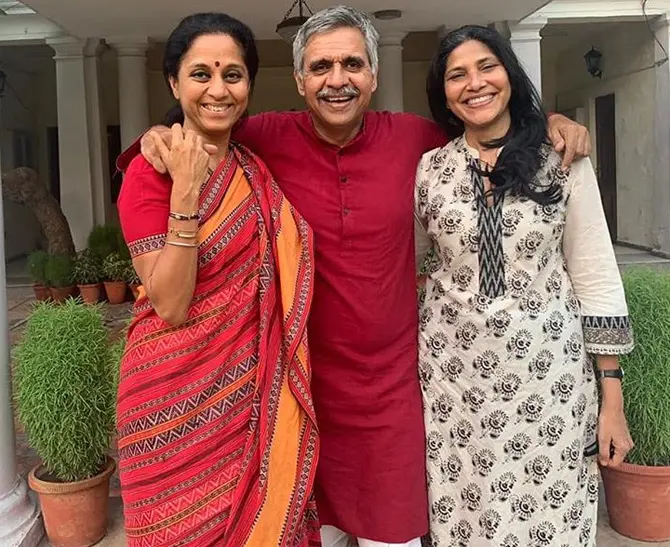
Use the full form “Sadanand Bhalchandra Sule” before trying variants such as “Sadanand Sule” or “Sadananda Sule.” Record spelling differences and check whether each result refers to the same city, profession, and family context. A result from Mumbai may concern a different person from one associated with another part of Maharashtra.
Separate primary and secondary evidence
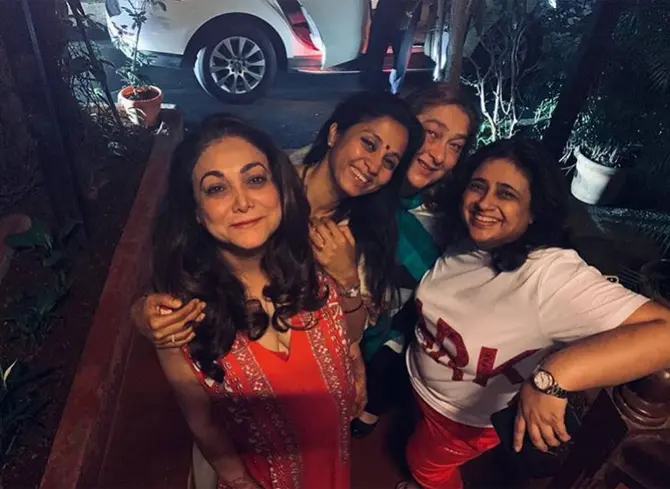
Primary evidence may include an official filing, election affidavit, parliamentary record, corporate document, or direct interview. Secondary evidence includes reputable newspaper reporting, established reference works, and published biographies. Social media posts, anonymous blogs, and automatically generated profiles are leads, not final proof.
Build a claim-by-claim evidence log
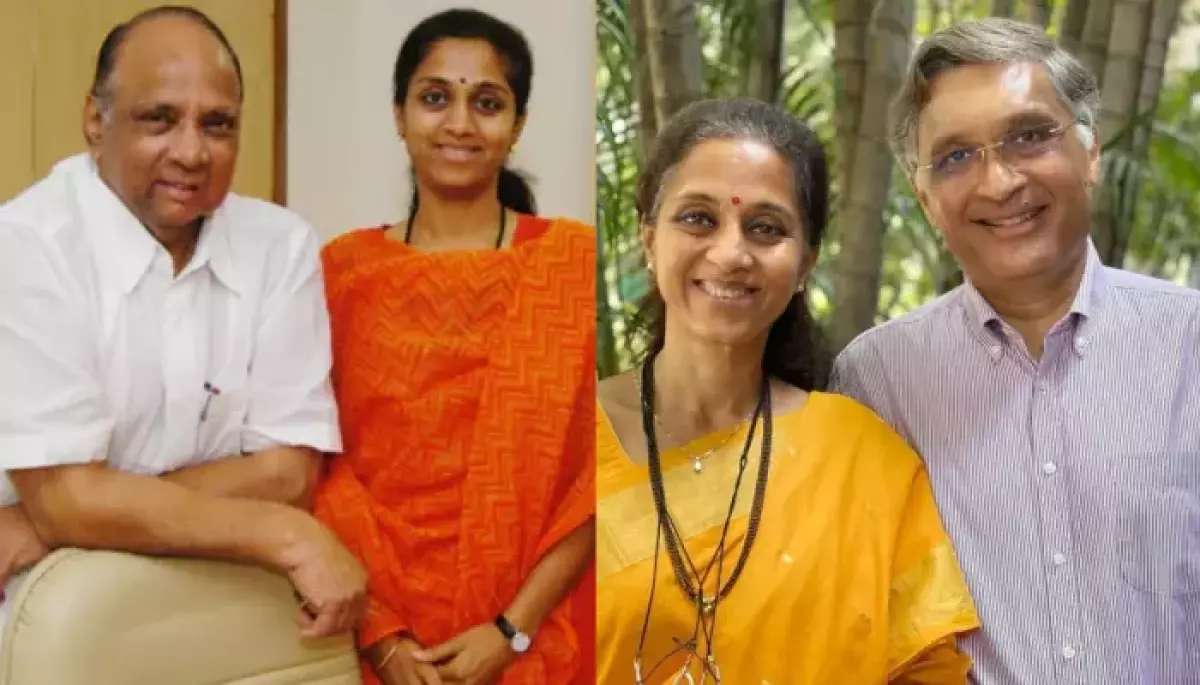
A useful research note should record the claim, source, publication date, exact wording, and confidence level. For example, “mentioned at an event” is a different claim from “organised the event.” “Related to a politician” is different from “is the politician’s husband.” This simple discipline prevents exaggeration when an article is edited later.
Check dates and archived pages
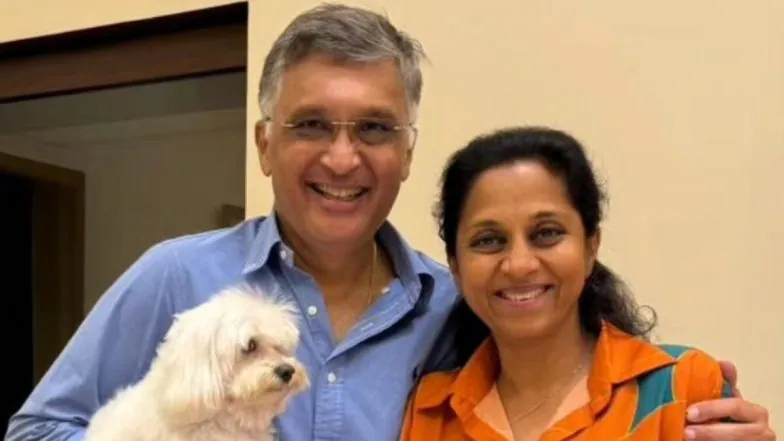
When a source is no longer live, an archived original may help establish what was published. Compare the archived copy with other records, note when it was retrieved, and avoid relying on a headline alone. An archive can preserve a page, but it cannot correct a mistaken identity or prove that an anonymous claim was true.
Researchers should also be alert to name collisions. A company director, sports administrator, political worker, and private citizen may all share the same first and last name. Middle names, photographs, addresses, employers, and dates can help distinguish them, but sensitive information should not be published unless it is genuinely relevant and responsibly sourced.
Common Search Questions and the Limits of Available Evidence
The most common questions about Sadanand Bhalchandra Sule concern his job, family, age, political links, and relationship with well-known Maharashtra figures. At present, those questions should be answered cautiously rather than with invented certainty.
What companies has Sadanand Bhalchandra Sule worked for?
No company employment history should be attributed to him without a source that identifies the full name and confirms the role. A reference to Mahindra or another Indian company may involve a different person, a business connection, or a copied database entry. Corporate records can be useful, but identity matching remains essential.
Is he connected to Supriya Sule?
The surname and public search context create an apparent association, but a precise relationship should not be stated without a reliable source. Supriya Sule’s own public biography is extensively documented; that does not automatically document every person who shares or is linked to the Sule name.
Is he related to Sharad Pawar?
Search results that mention the Pawar family do not prove a direct relationship. Sharad Pawar’s public family background is widely discussed, but Sadanand Bhalchandra Sule’s exact place in any family tree requires direct and credible evidence. A political or social association is not the same as parentage or marriage.
What is his age, religion, caste, or profession?
These details are not safely reportable as established facts unless supported by authoritative, relevant sources. In particular, religion and caste should never be inferred from a surname, region, language, or family association. A transparent “not confirmed in reliable public sources” is more useful than a precise but unreliable answer.
Conclusion: What Readers Can Reliably Take Away
Searches for Sadanand Bhalchandra Sule Wikipedia should be approached as an identity-verification question, not as permission to fill gaps with assumptions. The name appears in a context connected with Maharashtra, the Sule surname, and discussions involving the Pawar family, but publicly documented details about his profession, age, parents, religion, caste, and political role remain limited or uncertain.
The practical next step is to compare full-name records, official documents, reputable reporting, and archived material while keeping Sadanand Sule separate from Supriya Sule and other public figures. If you find a reliable source that clarifies the identity, date, or relationship, evaluate that evidence carefully before treating it as biography.
Frequently Asked Questions
Is there an official Wikipedia page for Sadanand Bhalchandra Sule?
A clearly established, independently sourced Wikipedia biography should not be assumed merely because the name appears in search results. Search snippets may connect related pages or archived references. Check Wikipedia’s article search, citations, history, and notability discussion, then verify any claim with reliable sources outside the encyclopedia.
What is Sadanand Bhalchandra Sule’s relationship with Supriya Sule?
The relationship should not be stated as fact without a reliable source that identifies both people clearly. Their names appear in overlapping searches because of Maharashtra’s political and family context, but a shared surname or online association cannot establish whether they are relatives, related by marriage, or simply mentioned together.
Is Sadanand Sule a politician or Member of Parliament?
There is no basis for assigning a parliamentary title without an official election record, constituency, term, and party affiliation. References to the Lok Sabha, Rajya Sabha, campaigns, or the Nationalist Congress Party may describe surrounding political activity rather than his own office. Political proximity does not prove elected status.
Why are his age, parents, caste, and religion difficult to verify?
These details may concern a private person and are not consistently documented in authoritative public sources. Online profiles can repeat errors, while surnames cannot prove caste or religion. A responsible biography reports only information supported by direct statements, official records, or reputable independent coverage, and clearly labels unresolved details.

James Wilson is the founder and lead editor of HubQuora.com, where he covers the latest celebrity news, entertainment trends, viral gossip, and net worth stories. With a passion for pop culture and digital media, James delivers engaging, accurate, and up-to-date content that keeps readers informed about the world of celebrities, influencers, and entertainment industry buzz.