

When public attention unexpectedly shifts toward behind-the-scenes professionals, figures like kathleen nimmo lynch often find themselves at the center of intense digital curiosity. While headlines frequently focus on high-profile sports franchises and executive scandals, the administrative personnel caught in the crossfire navigate complex professional environments. Understanding the realities of modern organizational governance requires looking past sensationalized media coverage to examine how corporate protocols handle internal disputes.
This comprehensive overview explores the administrative context, professional background, and broader workplace implications surrounding kathleen nimmo lynch, offering a grounded perspective on institutional transparency and employee privacy.
Understanding the Professional Background of Kathleen Nimmo Lynch
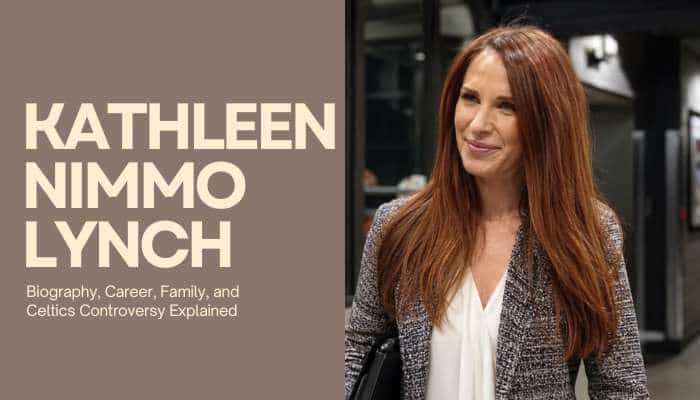
Kathleen Nimmo Lynch built her professional reputation through years of dedicated service within major sports and entertainment organizations. Operating primarily behind the scenes, her career was defined by meticulous attention to detail, operational efficiency, and organizational support.
Unlike public-facing executives or athletes, administrative coordinators work in high-stakes environments where discretion and reliability form the bedrock of daily operations. Her tenure in professional sports required managing complex schedules, coordinating travel arrangements, and facilitating internal communications across various departments.
In large-scale enterprises such as the boston celtics, administrative staff members act as the connective tissue linking executive leadership, coaching staff, and support personnel. The operational demands of professional sports franchises leave very little room for error, requiring professionals in these roles to maintain absolute confidentiality. Colleagues often describe individuals in these positions as dependable pillars who ensure that day-to-day logistics run seamlessly, regardless of external pressures or organizational turbulence.
The Boston Celtics Organization and Administrative Governance

The operational framework of a storied franchise like the boston celtics involves intricate hierarchies and stringent internal policies designed to maintain organizational integrity. Historically influenced by legendary figures like ainge, the franchise has long emphasized a culture of high performance and professional accountability. Within this structured environment, employees across all tiers are expected to adhere to strict codes of conduct that govern workplace behavior and professional ethics.
Modern sports organizations operate under intense public scrutiny, making internal governance a critical component of institutional stability. When workplace grievances or ethical breaches occur, human resources departments and executive boards must navigate delicate investigations while balancing legal obligations. The institutional response to internal conflicts often shapes public perception, highlighting the delicate balance between corporate compliance and employee protection in high-pressure industries.
The following table outlines key functional areas within professional sports front offices and their respective administrative responsibilities:
| Department | Core Responsibility | Administrative Impact |
|---|---|---|
| Executive Management | Strategic planning and franchise vision | High-level decision making and policy enforcement |
| Basketball Operations | Roster construction and coaching support | Logistical coordination and personnel scheduling |
| Human Resources | Employee relations and dispute resolution | Enforcing compliance and maintaining workplace standards |
Navigating the Public Spotlight and Media Scrutiny
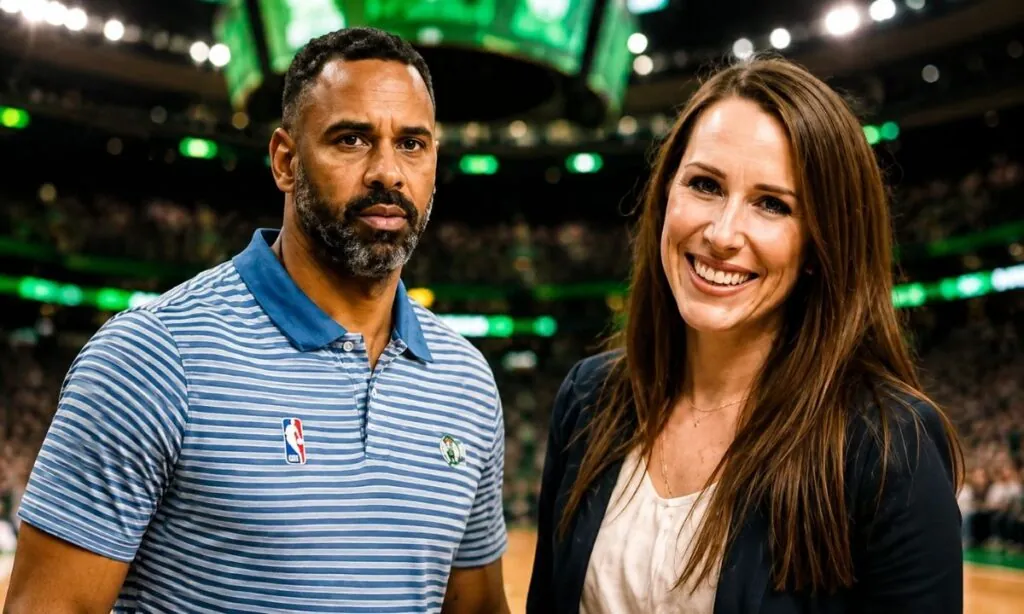
The transition from a private professional life to intense public scrutiny is a jarring experience for individuals thrust into trending news cycles. When administrative personnel become associated with high-profile investigations involving figures like ime udoka, the sheer volume of digital interest can overwhelm personal boundaries. Social media platforms, discussion boards, and news outlets frequently amplify unverified rumors, transforming private employment matters into global spectacles.
Managing this level of attention requires robust communication strategies and, frequently, legal representation to safeguard personal privacy. The modern information ecosystem often blurs the line between public figures and private citizens, raising significant ethical questions regarding media reporting standards. For professionals caught in these situations, protecting one‘s mental health and career trajectory becomes an uphill battle against sensationalized narratives perpetuated by viral content loops.
Workplace Policies and Institutional Accountability
Contemporary corporate governance places heavy emphasis on transparent workplace policies and rigorous compliance training. Organizations across all sectors, including professional sports, have overhauled their internal codes of conduct to address harassment, power dynamics, and ethical violations more effectively. These frameworks are designed to protect employees at every level from exploitation and to establish clear pathways for reporting misconduct without fear of retaliation.
Effective institutional accountability requires more than just written policies; it demands proactive enforcement by leadership teams and independent oversight committees. When leadership fails to model appropriate behavior, the resulting cultural decay can undermine the entire organization. Industry standards regarding workplace safety and ethics continue to evolve, influenced by legal precedents and shifting societal expectations surrounding professional conduct.
The Reality of Being a Valued Consultant in Corporate Settings

Long before widespread public awareness, skilled administrators often function as a valued consultant within their respective departments, smoothing out operational friction. A seasoned consultant boston enterprises rely on brings specialized knowledge in streamlining internal communications and crisis management. These roles require exceptional emotional intelligence, diplomacy, and the ability to remain neutral during high-stakes organizational disputes.
Organizations often underestimate the value of administrative continuity until key personnel are displaced by external events. The intangible contributions of experienced staff members—such as institutional memory and trusted internal networks—are nearly impossible to replace quickly. Recognizing the importance of these roles is essential for maintaining organizational resilience during times of crisis.
Key traits required for high-level administrative and consulting roles include:
- Unwavering commitment to confidentiality and discretion
- Exceptional crisis management and problem-solving abilities
- Strong interpersonal skills for cross-departmental communication
- Deep understanding of corporate compliance and ethics
- Ability to remain composed under intense operational pressure
Examining the Broader Impact on Professional Sports Culture

The intersection of professional sports, personal conduct, and media coverage has permanently altered how franchises manage public relations and internal affairs. Scandals involving coaching staff or front-office personnel frequently trigger league-wide reviews of ethics training and disciplinary procedures. As explored in analyses by outlets like ESPN, sports organizations face mounting pressure to demonstrate zero tolerance for inappropriate workplace behavior while ensuring fair treatment for all parties involved.
This cultural shift extends beyond basketball into the broader corporate world, prompting employers to reevaluate how they handle interpersonal dynamics in closed environments. The balance between maintaining team chemistry and enforcing strict ethical boundaries remains one of the most challenging aspects of modern sports management.
Personal Life, Family, and Maintaining Privacy
Away from the office, individuals navigating public controversies often strive to protect their personal life and family from invasive media attention. Maintaining a sense of normalcy for children and loved ones becomes a primary objective when digital footprints are dissected by millions of strangers online. Public curiosity frequently spills over into personal domains, making deliberate steps toward digital detox and privacy essential for emotional survival.
The distinction between a person’s professional duties and their private existence is a fundamental boundary that digital mobs often disregard. Support systems, including close friends and relatives, play a vital role in helping individuals weather storms of public speculation and regain control over their personal narratives.
Addressing Common Misconceptions and Internet Rumors
The digital age has democratized information sharing, but it has also accelerated the spread of misinformation and unfounded speculation. Online forums and social media algorithms frequently reward sensationalism over factual accuracy, leading to widespread public confusion about specific events and individuals. Distinguishing between verified reporting and internet gossip requires critical media literacy and a healthy skepticism toward unverified claims.
Correcting false narratives is notoriously difficult once they gain traction in the digital consciousness. For individuals like Kathleen Nimmo Lynch, the persistence of inaccurate search trends highlights the enduring challenges of online reputation management in the twenty-first century.
Career Continuity and Professional Rehabilitation

Rebuilding a professional career following public controversy requires immense resilience, strategic planning, and often a deliberate pivot to new industries. Individuals who find their reputations unfairly tarnished by association must navigate the job market with caution, leveraging trusted professional networks and legal protections to secure new opportunities. Professional rehabilitation is rarely a linear process, but many individuals successfully transition to new roles where their administrative expertise is valued without the burden of public notoriety.
Employers increasingly recognize the importance of second chances and evaluating candidates based on their actual skills and character rather than past controversies. As organizational cultures evolve toward greater empathy and fairness, the pathways for career recovery continue to improve for those caught in unexpected public crossfires.
Institutional Reforms in Modern Professional Sports
The modern sports landscape is undergoing a profound transformation regarding ethics, accountability, and workplace safety. Leagues and franchises are implementing mandatory training programs, anonymous reporting channels, and independent oversight boards to prevent misconduct and protect employees. These institutional reforms represent a necessary step toward creating safer, more equitable working environments for everyone involved in professional sports operations.
Transparency and proactive governance are no longer optional for major sports franchises; they are fundamental prerequisites for public trust and long-term commercial success. By learning from past controversies, sports organizations can build more resilient cultures that prioritize integrity above all else.
Frequently Asked Questions
Who is Kathleen Nimmo Lynch?
Kathleen Nimmo Lynch is an administrative professional who worked within the sports entertainment industry, gaining significant public attention due to high-profile organizational investigations involving executive conduct within a major professional basketball franchise.
What role did she hold within the Boston Celtics?
She served in an administrative capacity, managing daily operational logistics, scheduling, and internal communications to support the smooth functioning of the franchise’s business and basketball operations departments.
Why did her name become a major trending topic?
Her name entered public discourse following internal organizational investigations and subsequent media reporting regarding workplace conduct policies within the professional sports franchise where she was employed.
How do public controversies impact private administrative staff?
Private staff members caught in public controversies often face intense media scrutiny, invasion of privacy, and significant challenges regarding online reputation management, requiring robust personal and legal support systems.
Conclusion
The journey of individuals caught in the machinery of public media storms underscores the fragile boundary between professional employment and digital notoriety. Examining these events reveals critical lessons about institutional governance, workplace ethics, and the vital importance of protecting employee privacy in modern enterprises. As organizational standards continue to evolve, fostering environments built on accountability and mutual respect remains paramount.
Navigating the complexities of modern professional life requires resilience, strong personal support networks, and a steadfast commitment to personal integrity. Thank you for exploring this detailed overview regarding the context surrounding kathleen nimmo lynch, and we invite you to continue engaging with thoughtful discussions on workplace ethics and institutional transparency.

James Wilson is the founder and lead editor of HubQuora.com, where he covers the latest celebrity news, entertainment trends, viral gossip, and net worth stories. With a passion for pop culture and digital media, James delivers engaging, accurate, and up-to-date content that keeps readers informed about the world of celebrities, influencers, and entertainment industry buzz.