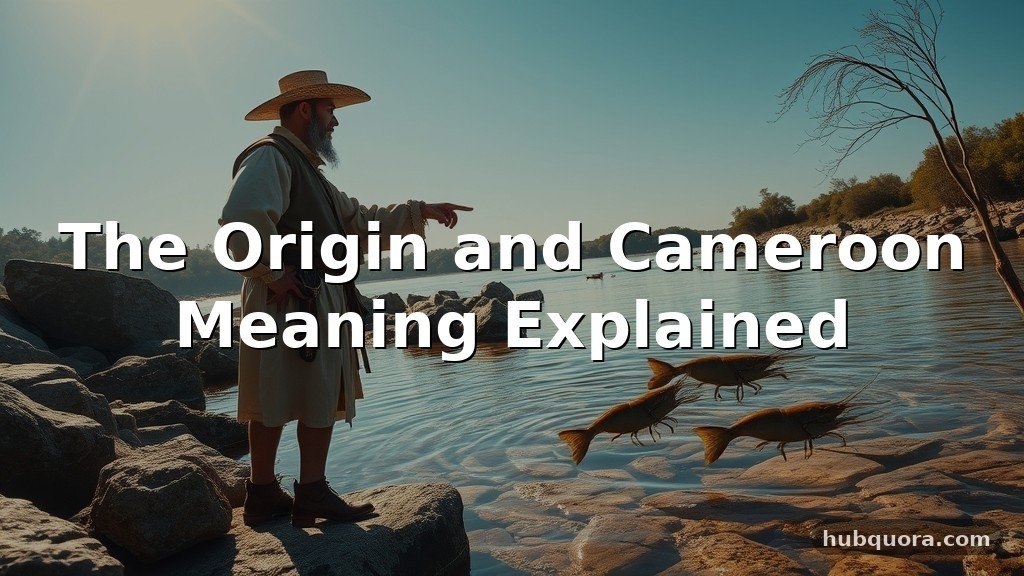
Understanding the true Cameroon meaning requires looking beyond modern political borders to the historical encounter between European explorers and the natural landscape of West Africa. The name itself acts as a linguistic bridge, connecting the colonial history of the continent with the unique geography that defines the nation today.
By exploring the etymological roots of the term, you gain insight into how a specific stretch of the Atlantic coastline earned a designation that has persisted for centuries. This journey into the past helps clarify how the identity of the Republic Cameroon evolved from a simple observation of nature into the name of a sovereign state.
The Etymological Roots of the Name
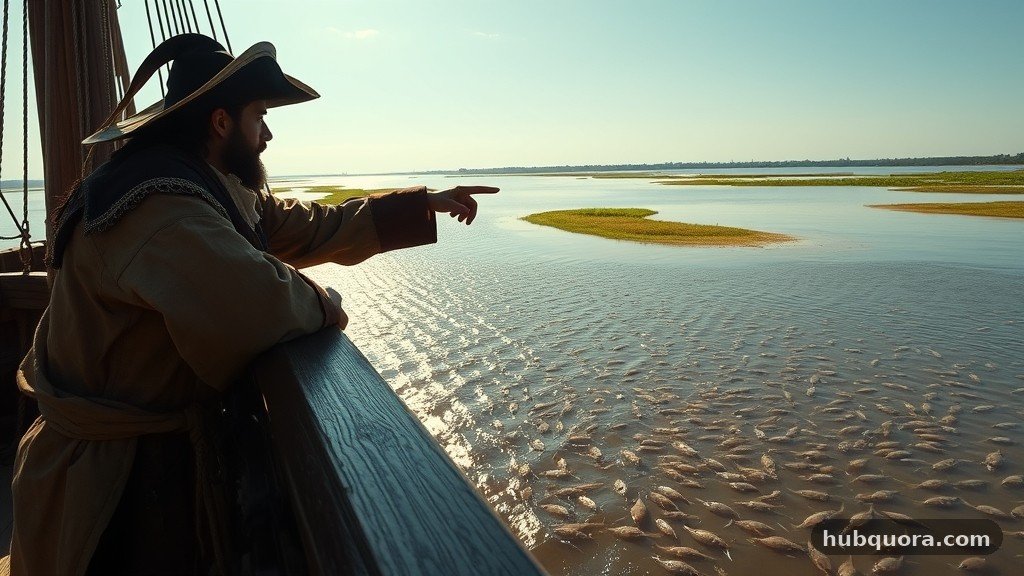
The story begins with Portuguese explorers navigating the western coast of Africa during the 15th century. When these sailors reached the estuary of the Wouri River, they were struck by the sheer abundance of a particular crustacean in the water.
They named the area “Rio dos Camarões,” which translates directly to “River of Prawns.” This Portuguese designation serves as the primary root for the name we use today.
Over time, this term was adopted and adapted by various European powers, including the German and French administrations that would later exert colonial influence over the region. The transition from “Camarões” to “Cameroun” and eventually the English “Cameroon” reflects the linguistic shifts common in colonial history. It is a classic example of how European naming conventions were imposed upon African geography, often ignoring indigenous nomenclature in favor of descriptive labels that held significance for the explorers themselves.
Geography and the Prawn Connection
While it might seem strange for a nation to be named after a shellfish, this was a common practice during the Age of Discovery. Explorers frequently named geographical features based on the most prominent or useful resource they encountered upon arrival. In the case of the Wouri estuary, the massive shrimp populations were a vital food source and a distinct marker for navigators.
The word has since transcended its humble origins as a reference to a crustacean. Today, it represents a diverse nation with a complex cultural tapestry that spans from the rainy equatorial forests to the arid sahelian north. When you look at the dictionary definition of the country, you aren’t just reading about a place; you are reading about a historical encounter that became permanent through the maps drawn by cartographers.
The German Colonial Legacy
In the late 19th century, the territory became a German protectorate. During this period, the spelling “Kamerun” was standardized, and the administration solidified the borders that define the Republic Cameroon today. The German influence is still evident in the architectural remnants and the administrative structures left behind in cities like Douala and Buea.
The Cameroons were eventually divided following the First World War, with the League of Nations granting mandates to Britain and France. This division created the dual-heritage character of the country, where both English and French are now official languages. Understanding this history is essential, as the Cameroonian identity is deeply tied to this unique experience of being governed by two different European powers simultaneously.
Geographical Significance of Mount Cameroon
The highest peak in the nation, Mount Cameroon, serves as a powerful symbol of the country’s physical identity. This active volcano is not just a landmark but a central feature of the landscape that looms over the coastal region. Many locals refer to it by its indigenous name, Mongo ma Ndemi, which contrasts sharply with the colonial name assigned by explorers.
The mountain’s presence is a reminder that the land itself has a history much longer than the European naming conventions. Standing as the Cameroon highest point, the volcano influences the climate, the biodiversity, and the spiritual life of the surrounding communities. When you visit the region, you realize that the name of the country is only one layer of a much deeper, more complex story written in the geology of the earth.
Linguistic Evolution and Colonial Influence
Language plays a massive role in how the country is perceived globally. Because of the colonial era, the nation operates as a bilingual state. This duality is a core component of the modern Cameroonian identity, influencing everything from the legal system to the education sector.
The Official Language Split
- French is the primary language for the majority of the population.
- English serves as the primary language in the Northwest and Southwest regions.
- Pidgin English acts as a crucial lingua franca that bridges the gap between different ethnic groups.
- Indigenous languages remain vital for local identity and traditional communication.
This mix of languages reflects the broader reality of the continent, where colonial boundaries often forced disparate groups into a single political unit. The way the name is pronounced varies depending on whether you are speaking with someone from the Francophone or Anglophone parts of the country, further illustrating the layered meaning of the term.
Addressing Topical Gaps
There is often confusion regarding the distinction between the country and the various cultural references that share its name. Some people search for a Cameroon meaning in the context of pop culture, such as anime or internet slang, which are entirely separate from the geographical entity. It is important to clarify that the country is a sovereign nation in central Africa, and any other usage of the word is likely metaphorical or coincidental.
Furthermore, many sources fail to mention the transition from the British-administered Southern Cameroons to the current unified state. This historical nuance is vital for understanding why the country has such a distinct internal political dynamic. By acknowledging the specific administrative shifts of the 20th century, we gain a more accurate picture of why the name carries such weight for those living within its borders.
Table of Administrative Shifts
The following table outlines the major shifts in the administration of the territory, which contributed to how the name is understood in a modern context.
| Period | Administrative Power | Designation |
|---|---|---|
| 1884–1916 | German Empire | Kamerun |
| 1916–1960 | British/French Mandates | British/French Cameroons |
| 1960–Present | Independent Republic | Republic of Cameroon |
Cultural Identity and Global Perception
The Cameroonian people have cultivated a vibrant culture that is often exported through music, sports, and literature. When the world hears the name, it is increasingly associated with the “Indomitable Lions”—the national football team—rather than just the colonial history of the 15th century. This shift in perception is a testament to the nation’s ability to reclaim its identity on the world stage.
Sports, particularly football, have become a unifying force that transcends the linguistic divides of the colonial past. By excelling in international competitions, the country has forced a global re-evaluation of its name. No longer just a spot on a map, the word now evokes a sense of national pride and athletic prowess that is recognized far beyond the borders of Africa.
Economic Resources and the Modern State
The coast of the country remains a hub of economic activity, continuing the legacy of the region as a point of trade. While the prawn industry that gave the country its name is still active, the modern economy is driven by oil, agriculture, and timber. This economic reality is a far cry from the simple fishing village that the Portuguese explorers first encountered.
You can see the impact of global trade in the bustling ports of Douala, where goods from all over the world arrive daily. The evolution of the name from a simple river designation to a modern state is mirrored in the way the country has integrated itself into the global market. It is a nation that has successfully transitioned from a colonial outpost to a key player in the regional economy of Central Africa.
Common Misconceptions
Many people mistakenly believe that the name has an indigenous origin that was later corrupted by Europeans. In reality, the name is an exogenous term—an external label applied by outsiders. This is a point of contention for some historians and activists who argue that the country’s name should reflect its pre-colonial heritage.
However, the name has been used for so long that it has become an inseparable part of the national identity. Most citizens do not associate the name with the Portuguese word for shrimp unless they are studying history. For them, the word is simply the name of their home, and it carries the weight of their own lived experiences, not the labels assigned by 15th-century sailors.
FAQ Section
What is the origin of the name Cameroon?
The name originates from the Portuguese phrase “Rio dos Camarões,” meaning “River of Prawns.” This was the name given by Portuguese explorers in the 15th century to the Wouri River estuary, which was teeming with crustaceans, and it eventually evolved into the name for the entire country.
Is Cameroon an English or French speaking country?
It is officially a bilingual country, recognizing both English and French as official languages. This dual heritage is a result of the territory being divided into British and French mandates following the First World War, which has left a lasting impact on its legal, educational, and social systems.
What is the highest peak in Cameroon?
The highest peak is Mount Cameroon, an active volcano located near the coast. It is a major geographical landmark that stands over 4,000 meters tall and plays a significant role in the local climate, biodiversity, and cultural identity of the surrounding regions.
Why is the country sometimes referred to as the Cameroons?
The term “The Cameroons” refers to the historical period when the territory was split into two separate mandates under British and French administration. While the modern sovereign state is known as the Republic of Cameroon, the plural form is often used in historical contexts to describe that era.
Final Reflections
Exploring the Cameroon meaning reveals a fascinating intersection of geography, colonial history, and national identity. What began as a simple observation of the natural world by Portuguese sailors on the Atlantic coast has transformed into the name of a complex, bilingual nation. The path from “River of Prawns” to the modern Republic of Cameroon is a story of adaptation, where a foreign label was eventually claimed and redefined by the people who live there.
Understanding this history helps us appreciate the layers of identity that exist within the country today. Whether through its diverse linguistic heritage, its iconic volcanic landscapes, or its role in the global economy, the nation continues to build a legacy that goes far beyond its name.
If you’re interested in learning more about the history of the region, I recommend consulting the Britannica entry on Cameroon for further details on its political evolution. As the nation continues to grow, its name will undoubtedly continue to evolve in significance for both its citizens and the world.

James Wilson is the founder and lead editor of HubQuora.com, where he covers the latest celebrity news, entertainment trends, viral gossip, and net worth stories. With a passion for pop culture and digital media, James delivers engaging, accurate, and up-to-date content that keeps readers informed about the world of celebrities, influencers, and entertainment industry buzz.