

When you encounter the word chayote in a recipe or at a local farmers market, you might wonder about the origins and the specific chayote meaning behind this peculiar, pear-shaped vegetable. This unique produce is more than just a culinary ingredient; it is a fascinating example of how language, botany, and global food traditions intersect.
By exploring the history of this squash-like plant, you will gain a deeper appreciation for why it has become a staple in kitchens across the globe. Understanding its background helps you identify the best ways to incorporate it into your cooking while recognizing its long-standing place in various regional diets.
The Etymological Roots of Chayote
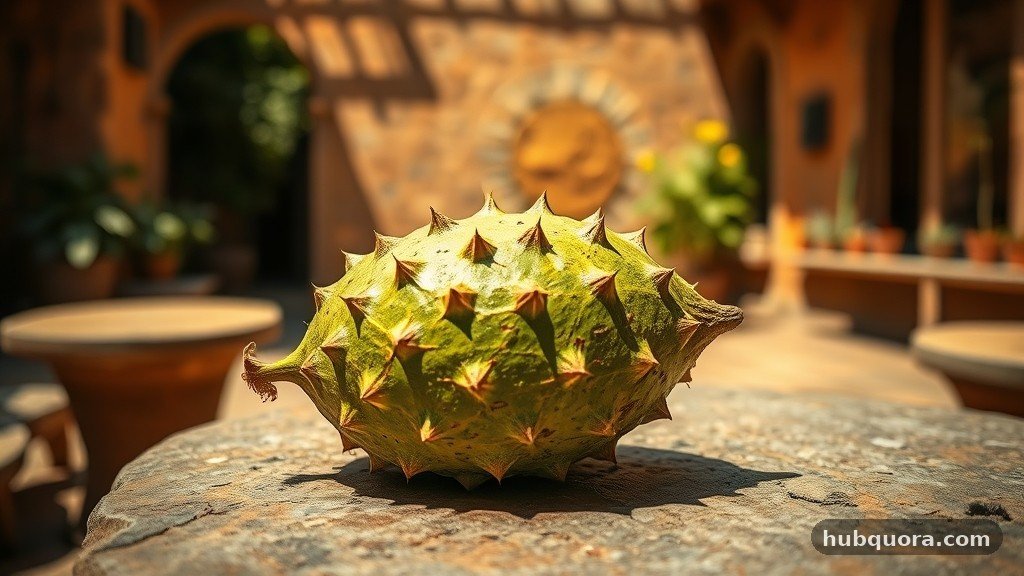
The chayote meaning is deeply rooted in the Nahuatl language, spoken by the Aztecs of ancient Mexico. The word originates from the term “chayotli,” which translates to “gourd with spines.” This historical linguistic link provides insight into how the plant was perceived by indigenous peoples long before it became a globally recognized food item.
When we look at the dictionary definition of the word, we are essentially tracing a line back to Mesoamerican agricultural heritage. The transition of this word into Spanish, and eventually into English, reflects the broad colonial expansion and the subsequent exchange of botanical knowledge across continents.
In many regions, the name has evolved, yet it remains a testament to the plant’s distinct physical appearance. Because the fruit often features a wrinkled, light green skin, early observers focused on its texture and structure when naming it.
While some varieties are smooth, the ancestral plant was famously prickly, a trait that clearly influenced the original nomenclature. Recognizing these linguistic roots allows us to see how the words we use for food often serve as a bridge between modern dining and the ancient civilizations that first cultivated these crops.
Botanical Classification and Characteristics
Scientifically, the plant is classified as Sechium edule, a member of the gourd family, Cucurbitaceae. This classification links it to other common garden staples like cucumbers, melons, and pumpkins, which explains its rapid growth habit and vine-like structure.
The tropical nature of the plant means it thrives in warm, humid climates, requiring long, frost-free summer seasons to produce its characteristic yield. Unlike many other squashes that grow on the ground, this vine is often trained to climb fences or trellises, which keeps the produce off the ground and prevents rot.
The edible nature of the plant extends beyond just the fruit itself. In many traditional cuisines, the roots, stems, and leaves are also prepared as nutritious components of a meal. This versatility is a hallmark of the species, making it an incredibly efficient crop for small-scale farmers and home gardeners alike.
When you examine the plant, you will notice it produces a single, large seed inside the flesh, which is often consumed alongside the rest of the vegetable. Its mild flavor and firm texture make it a highly adaptable ingredient in both savory and sweet preparations.
Global Names and Linguistic Variations
Because the plant is cultivated in so many different countries, the way it is identified varies significantly depending on the local language and heritage. While the term chayote is the most commonly used in North America, you will find a wide array of regional names that speak to its ubiquity.
In some parts of the Caribbean, it is known as mirliton, while in other regions, it may be referred to as a vegetable pear or alligator pear, though the latter often causes confusion with avocados. These variations show how language adapts to describe familiar objects in ways that resonate with local populations.
Regional Naming Conventions
- Mirliton: Frequently used in Louisiana and parts of the Caribbean.
- Choko: A term commonly employed in Australia and New Zealand.
- Cho-cho: Often heard in Jamaican and other West Indian markets.
- Sayote: The standard name used throughout the Philippines.
- Sousou: Another variation found in some Francophone Caribbean islands.
In French-speaking regions, the plant is often called christophine, a name that carries its own historical weight. Meanwhile, in Chinese traditional cooking, it is frequently referred to as a Buddha’s hand melon due to its shape.
These examples illustrate how a single biological entity can acquire dozens of names, each reflecting the local culture’s unique perspective. For those interested in the citation of these names, many agricultural databases provide a master list of these synonyms, confirming that while the common name changes, the underlying Sechium edule remains consistent.
Nutritional Profile and Health Benefits
Integrating this vegetable into your diet offers more than just culinary variety; it provides a wealth of health-promoting nutrients. The fruit is notably low in calories and fat, making it an excellent choice for those looking to maintain a balanced diet without sacrificing volume in their meals.
It is rich in folate, vitamin C, and fiber, which support heart health and digestive regularity. Because it is composed largely of water, it also acts as a hydrating agent, which is particularly beneficial in hot, tropical climates where the plant is native.
Research into the nutritional composition of the plant reveals that its skin and seeds contain distinct antioxidants. These compounds help combat oxidative stress in the body, potentially lowering the risk of chronic inflammation. When you get your hands on a fresh specimen, it is worth noting that the flesh is dense enough to hold its shape during cooking, which helps retain its nutrient integrity.
Whether steamed, sautéed, or pickled, it provides a subtle boost of vitamins that fits seamlessly into a wide variety of meal plans. You can find more detailed nutritional breakdowns on the official nutrition database provided by the USDA.
Culinary Uses Across Different Cultures
The culinary versatility of this vegetable is perhaps its most compelling feature. Because it has a neutral, mild flavor, it acts as a flavor sponge, easily absorbing the spices, herbs, and sauces used in a dish. In Latin American households, it is frequently stuffed with cheese or meat, breaded, and fried.
In Southeast Asian cooking, it is often stir-fried with garlic, ginger, and soy sauce, providing a crisp texture that complements rice-based meals. This ability to adapt to diverse flavor profiles makes it a favorite among home cooks who enjoy experimenting with international cuisines.
In addition to savory applications, the vegetable is sometimes used in sweet dishes, particularly in regions where it is grown in abundance. When cooked down with sugar and spices, the flesh takes on a consistency similar to apples, making it an unlikely but delicious filling for pastries or pies.
This wide range of utility is why it remains a long-standing favorite in global trade. Whether you are looking for a base for a hearty soup or a light side dish, the vegetable’s ability to transition from savory to sweet highlights its unique place in the global pantry.
Cultivation and Growth Requirements
For those interested in growing this plant, understanding its environmental needs is essential for success. As a tropical perennial, it demands a long, warm growing season. It is sensitive to frost, which will damage the foliage and potentially kill the vine.
If you live in a climate with shorter summers, you may need to start the plant in a container indoors before moving it outside once the danger of frost has passed. The plant is a vigorous grower, often reaching lengths of over 20 feet in a single season, so providing adequate space and a sturdy trellis is non-negotiable.
Soil quality also plays a significant role in the health and yield of the plant. It prefers well-draining, nutrient-rich soil that stays consistently moist but not waterlogged. Frequent watering is necessary, especially during the peak of the summer heat.
Many gardeners choose to add a thick layer of organic mulch around the base of the vine to retain moisture and suppress weeds. By providing these specific conditions, you can encourage the plant to produce an abundance of fruit, which can be harvested when they are young and tender for the best flavor and texture.
Common Culinary Mistakes and How to Avoid Them
One frequent error people make when working with this vegetable is failing to prepare the skin or seed correctly. While the young, tender fruit can be eaten with the skin on, older specimens may have a thick, somewhat tough exterior that is best peeled before cooking.
Additionally, some people find that the raw vegetable leaves a sticky, sap-like film on the hands when peeled. This is a common occurrence and is completely harmless, but it can be avoided by peeling the vegetable under running water or by wearing gloves.
Another mistake involves overcooking the vegetable. Because it has a high water content, it can quickly turn mushy if boiled for too long. To maintain its signature crunch, it is best to steam, blanch, or stir-fry it for only a few minutes.
If you are adding it to a soup or stew, consider tossing it in toward the end of the cooking process. By treating it with care, you ensure that the final dish retains its pleasant texture and subtle flavor, rather than becoming an unappealing, watery component of your meal.
The Role of Chayote in Traditional Medicine
Beyond the kitchen, the plant has a history of use in various folk medicine traditions. In several Latin American countries, the leaves and fruit are sometimes used to create infusions that are believed to have diuretic properties.
While modern medical science focuses heavily on the nutritional value, it is interesting to note the historical reliance on the plant as a natural remedy for various minor ailments. These uses are usually passed down through generations, forming a part of the cultural heritage surrounding the vegetable.
It is important to approach these traditional claims with a degree of healthy skepticism and to prioritize evidence-based medical advice. However, the study of how plants have been used historically can provide context for why certain crops are so deeply embedded in a culture’s identity.
The chayote meaning is not just limited to its nutritional value; it also encompasses the historical trust that communities have placed in the plant’s ability to provide both sustenance and wellness. When exploring these traditions, you gain a fuller picture of the plant’s multifaceted role in human history.
Comparing Chayote to Other Squash Varieties
To better understand where it fits in the grocery store aisle, it is helpful to compare it to other common summer squashes like zucchini or yellow squash. While they share some similarities in terms of how they are prepared, the texture and flavor profiles are distinct. The following table highlights some of these key differences to help you choose the right ingredient for your next dish.
| Feature | Chayote | Zucchini | Yellow Squash |
|---|---|---|---|
| Texture | Firm, crisp | Soft, tender | Soft, tender |
| Water Content | High | Very High | Very High |
| Storage Life | Long (weeks) | Short (days) | Short (days) |
| Flavor | Mild, neutral | Mild, grassy | Mild, buttery |
As shown in the table, the primary advantage of this vegetable is its shelf life. Unlike many other squashes that spoil within a few days of purchase, it can last for weeks if kept in a cool, dry place.
This durability makes it a practical staple for households that don’t shop for fresh produce on a daily basis. By choosing it over more perishable options, you can reduce food waste while still enjoying a versatile, nutrient-dense ingredient.
Addressing Topical Gaps: Common Queries
There is often confusion regarding how to handle the “spines” or the large seed when preparing the vegetable. Some varieties, particularly those grown in home gardens, may have small, soft prickles on the skin. These are easily removed by scrubbing the fruit with a vegetable brush or simply peeling the skin.
Regarding the seed, it is perfectly safe to eat. In fact, many people consider the seed to be the most delicious part of the fruit because it has a nutty flavor and a firm, pleasant texture. Don’t discard it; instead, include it in your sauté or stew for an added layer of complexity.
Another common question relates to the “slimy” sensation that some people report. This is often the result of not properly washing the vegetable or using a dull knife that crushes the cell walls rather than slicing through them cleanly.
Using a sharp knife and ensuring the vegetable is dry before you start cutting can make a significant difference. By addressing these minor technical details, you can overcome the common hurdles that prevent many people from enjoying this vegetable regularly.
FAQ Section
What is the easiest way to peel a chayote?
The easiest way is to cut the vegetable in half and peel it under cold, running water. This helps to rinse away the sticky sap that often secretes from the skin, preventing it from coating your hands and making the fruit slippery while you work.
Can you eat the seed inside the fruit?
Yes, the seed is entirely edible and is actually considered a delicacy in many cultures. It has a mild, nutty flavor and a firm texture that holds up well during cooking. You can chop it up along with the flesh or leave it whole in stews.
Does chayote have a strong flavor?
It has a very mild, neutral flavor that is often compared to a cross between a potato and a cucumber. Because it is not assertive, it easily absorbs the flavors of the spices, herbs, and sauces you cook it with, making it highly versatile.
How long can you store a fresh chayote?
When stored in a cool, dark, and dry place, a fresh fruit can last for several weeks. It is much more durable than most other summer squashes, which typically need to be consumed within a few days of being harvested or purchased.
Conclusion
Exploring the chayote meaning reveals a rich tapestry of botanical, linguistic, and culinary history that connects us to ancient agricultural practices. This versatile fruit is far more than a simple produce item; it is a resilient, nutritious, and adaptable staple that has traveled across borders to find a home in kitchens worldwide. By understanding its specific needs, from proper peeling techniques to its unique growth habits, you can confidently integrate this vegetable into your own cooking.
Whether you are stir-frying it for a quick weeknight meal or experimenting with traditional recipes, you are participating in a global tradition of valuing this humble yet remarkable plant. Next time you see it at the market, pick one up and discover the many ways it can enhance your meals.

James Wilson is the founder and lead editor of HubQuora.com, where he covers the latest celebrity news, entertainment trends, viral gossip, and net worth stories. With a passion for pop culture and digital media, James delivers engaging, accurate, and up-to-date content that keeps readers informed about the world of celebrities, influencers, and entertainment industry buzz.