

Grasping the parer meaning requires looking at both the culinary utility of the tool and the linguistic history of the verb from which it derives. At its core, the term describes a specific implement used for removing the outer skin or rind from produce.
While many people associate the word strictly with the kitchen, its roots in the French language and its various applications in English provide a much broader context. You’ll find that understanding this term helps clarify why certain kitchen tools are shaped the way they are, while also highlighting the linguistic evolution of common household objects.
The Culinary Role of a Paring Knife
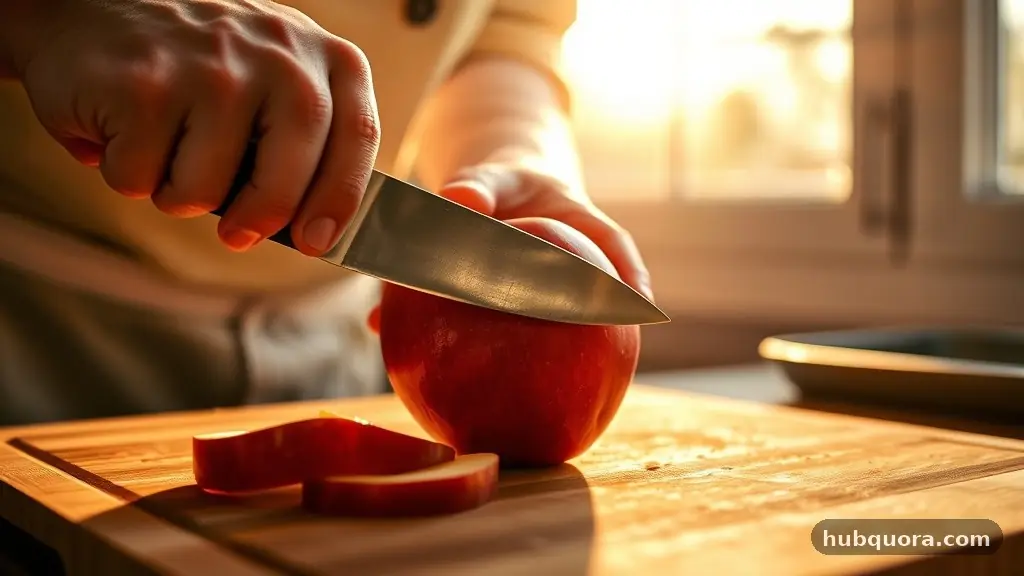
A paring knife is the quintessential small, sharp tool found in almost every home kitchen. Its primary function involves delicate tasks that require precision rather than brute force. Because it features a short blade, usually between two and four inches long, it allows the user to maintain total control while working with small ingredients.
You aren’t just hacking away at a potato; you are carefully removing eyes, blemishes, or thin layers of skin. The size makes it an extension of the hand, providing the dexterity needed for intricate garnishes or peeling tasks that a larger chef’s knife simply cannot handle.
When you look at the design, the blade is often straight or slightly curved, which assists in the peeling process. Chefs rely on this tool for tasks like deveining shrimp, segmenting citrus, or scoring the surface of a roast. The balance of the handle against the lightweight blade ensures that your wrist doesn’t tire during repetitive motions.
Most professional kitchens stock several of these because they are essential for prep work. If you are preparing an apple or cleaning a strawberry, the paring knife is the tool you reach for first.
Etymology and the Verb Pare

The noun parer comes directly from the verb to pare, which traces back to the Old French word parer, meaning to prepare, trim, or adorn. Over centuries, the linguistic focus shifted from the general act of preparing something to the specific act of trimming away outer layers.
In the English language, the word evolved to describe the removal of an outer covering, such as the skin of a fruit or the bark of a tree. This historical trajectory explains why we use the term for both kitchen tools and, occasionally, for other trimming implements used in various trades.
It is interesting to note that the word is deeply connected to the concept of refinement. To pare something down is to remove the excess, leaving only the core, desirable part behind. This metaphorical usage persists in common speech, such as when someone talks about paring down a budget or reducing a list of options.
By understanding the linguistic roots, you gain insight into why the tool is named as it is. It is a device built for the specific purpose of trimming away the unnecessary to reveal the essential.
Distinguishing Between Types of Parers
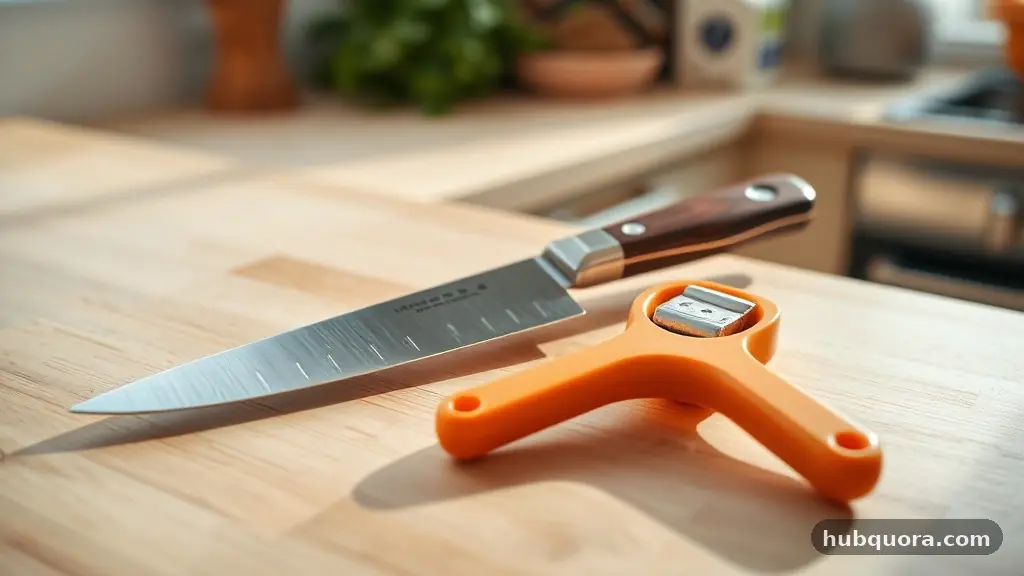
Not all tools that perform a paring function look the same. While the classic paring knife is a fixed blade, there is also the vegetable parer, often called a peeler, which features a suspended blade set into a handle.
This distinction is important because the parer meaning can change based on the specific design of the implement. A vegetable parer is designed to glide across the surface of a carrot or potato, removing a consistent, thin strip of skin without digging into the flesh of the vegetable.
Conversely, a paring knife is a more versatile piece of cutlery. While it can peel, it can also slice, dice, and mince small items. Many kitchen sets include both types of tools because they serve different mechanical needs.
When you are looking for a tool to remove the thick skin of a squash, the mechanical advantage of a swivel-blade peeler is superior. However, if you are hulling a strawberry or carving a small shape into a radish, the rigidity and sharpness of a knife become mandatory.
Linguistic Variations and Global Definitions
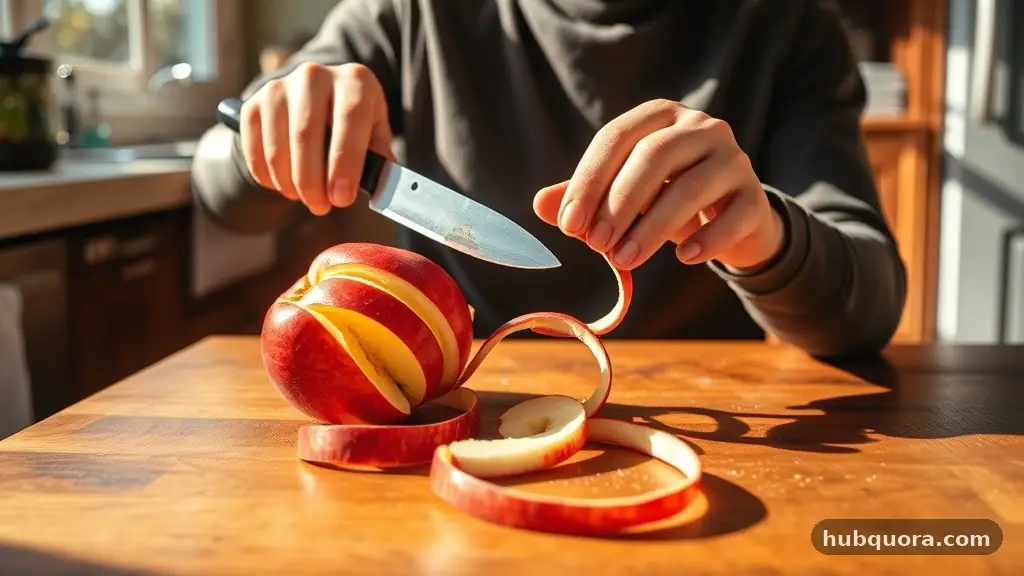
If you search for the parer meaning in a standard dictionary, you will encounter a variety of definitions that span different industries. Beyond the kitchen, the term sometimes appears in contexts related to grooming or crafting.
For instance, a person who trims fingernails might be conceptually linked to the action of paring, though we rarely call the tool itself a parer in that context. Language is fluid, and the way we label objects often depends on the specific region or the era in which the term was popularized.
In some European languages, the cognates of this word retain a broader meaning related to general preparation. This is a common phenomenon with borrowed words; as they move from one culture to another, their scope often narrows.
When you explore the etymology, you see that the word has successfully moved from a broad definition of preparation to a highly specific, functional definition in the modern culinary world. The shift shows how human activity dictates the evolution of vocabulary over time.
The Mechanics of Precision Cutting
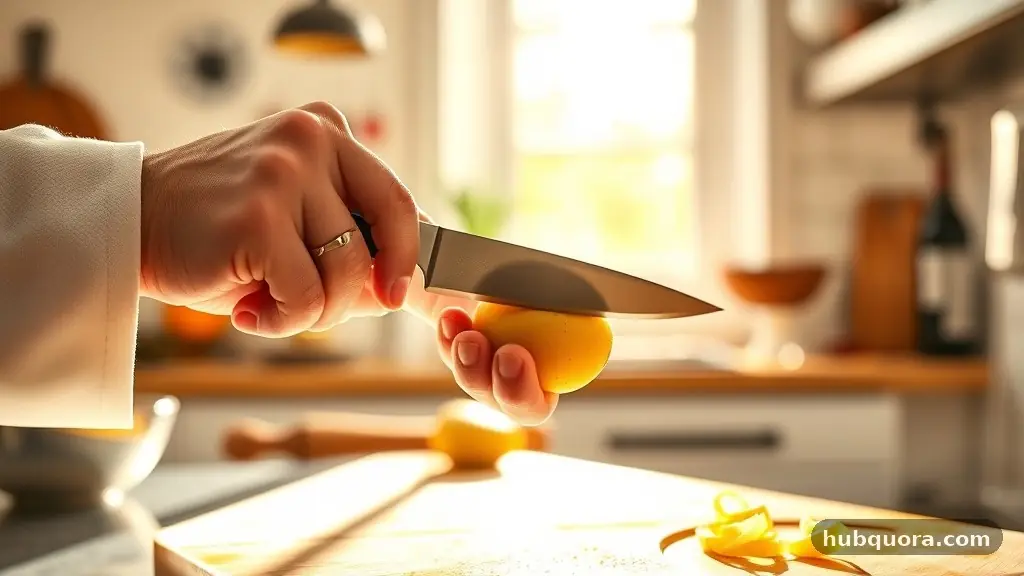
Using a sharp knife for paring requires a specific grip that maximizes control. Most experts recommend holding the handle with your dominant hand while using your thumb as a fulcrum against the vegetable. This technique, often called the paring grip, allows you to move the blade toward the thumb in a controlled arc.
Because the blade is short, you can easily stop the motion if you encounter a soft spot or a tough section of the skin. This safety aspect is one of the primary reasons the tool remains a staple in culinary education.
Efficiency in the kitchen depends on knowing which tool to use for each task. If you use a large knife for a small task, you increase the risk of injury and decrease the quality of your cuts. A small, sharp blade allows for the kind of fine motor control that makes cooking enjoyable.
When you have the right tool, you stop struggling with the ingredients and start focusing on the final presentation of the dish. This is where the true value of the paring knife becomes apparent to any home cook.
Comparison of Common Kitchen Trimming Tools
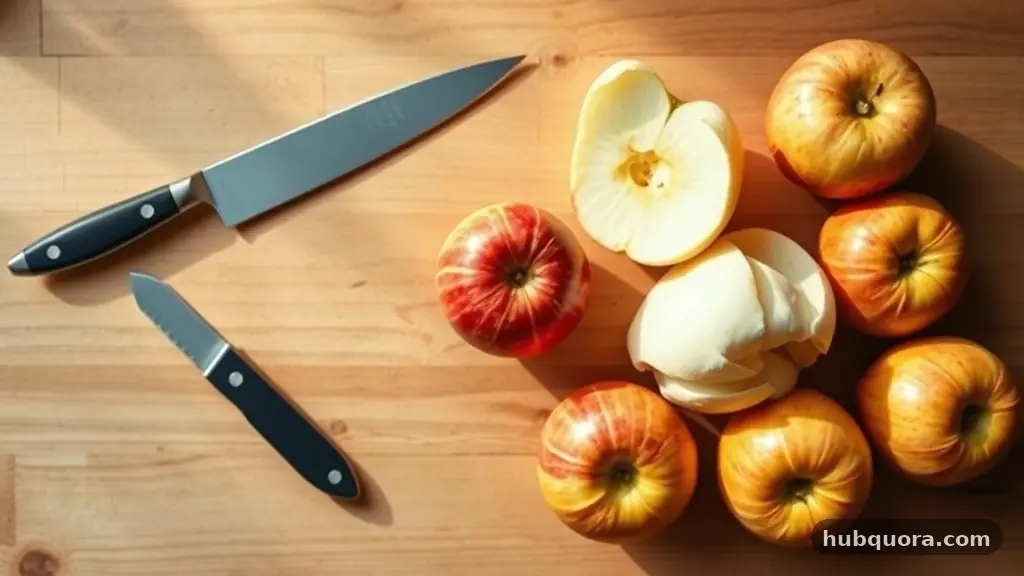
The following table highlights the differences between common tools used for trimming and peeling, helping you see where the parer fits into your kitchen inventory.
| Tool Name | Primary Function | Best Used For |
|---|---|---|
| Paring Knife | Precision trimming and slicing | Hulling, peeling, garnishing |
| Swivel Peeler | Removing thin outer layers | Potatoes, carrots, cucumbers |
| Channel Knife | Creating decorative strips | Citrus zest, fruit garnishes |
| Zester | Removing fine shavings | Citrus zest, hard cheeses |
Addressing Common Misconceptions
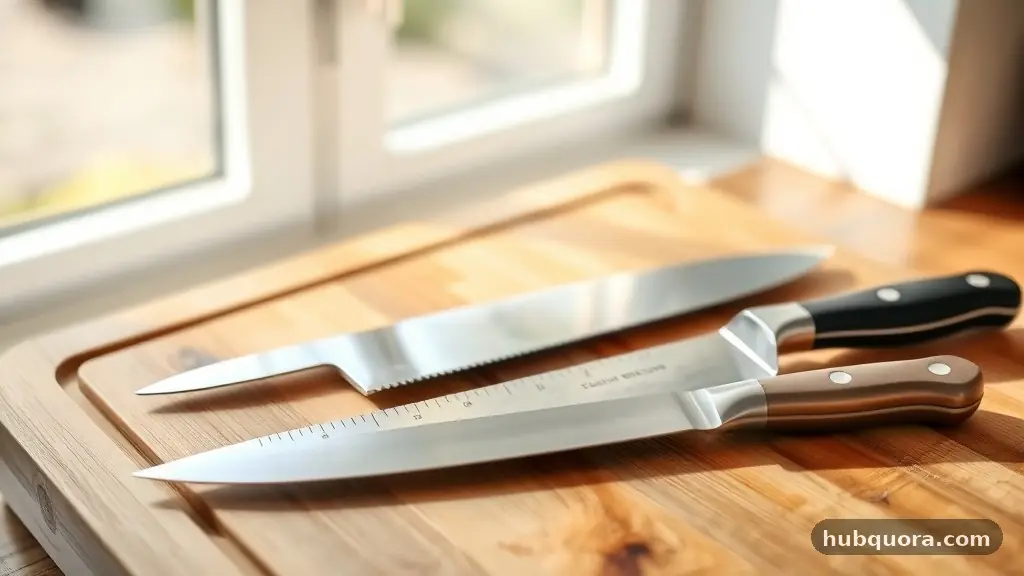
Many people mistakenly believe that any small knife qualifies as a paring knife. However, a steak knife or a utility knife serves a different purpose. A steak knife is often serrated, which is detrimental to the fine, smooth cuts required for peeling fruit.
A utility knife is generally longer, making it too cumbersome for the intricate tasks that define the parer meaning. Being aware of these subtle differences ensures that you choose the right instrument for your specific needs, which is a key step in improving your culinary results.
Another common myth is that a dull knife is safer to use. In reality, a dull blade is significantly more dangerous because it requires more force to penetrate the skin of a vegetable, which increases the likelihood of the blade slipping. A sharp, well-maintained paring knife should glide through the produce with minimal effort.
Investing in a sharpening stone or a professional sharpening service is essential for maintaining the utility of your blades. You should treat your cutlery as an investment, as high-quality steel will last for decades if cared for properly.
Common Uses in Everyday Cooking
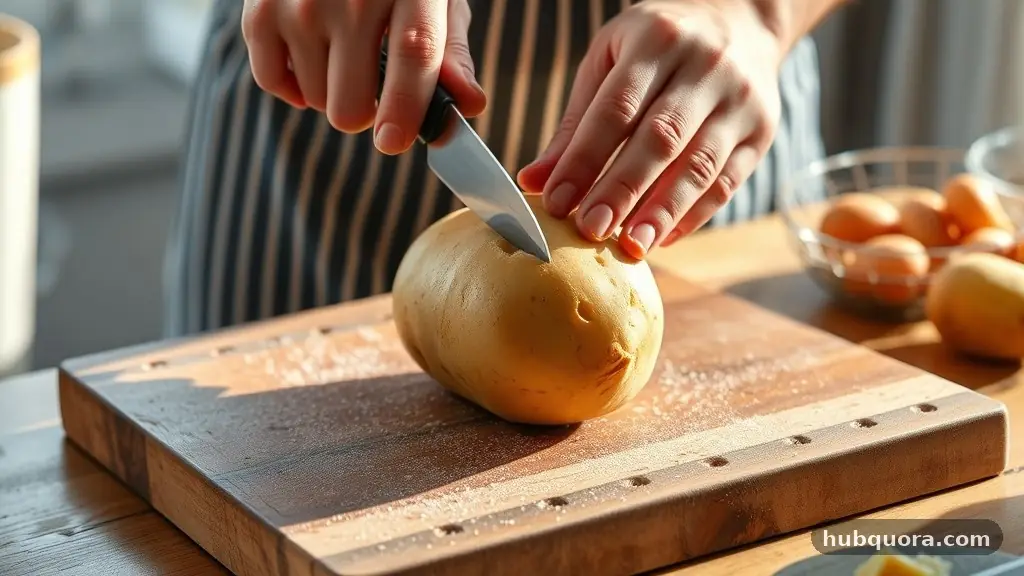
- Removing the eyes from potatoes or blemishes from apples.
- Segmenting citrus fruits like oranges and grapefruits for salads.
- Deveining shrimp to remove the digestive tract before cooking.
- Scoring the skin of tomatoes to make them easier to peel after blanching.
- Creating intricate garnishes like radish roses or cucumber ribbons.
- Trimming excess fat from small cuts of meat or poultry.
These tasks demonstrate the versatility of the tool. While it is small, its impact on the quality of your cooking is substantial.
By mastering these techniques, you ensure that your ingredients are prepared in a way that maximizes both flavor and aesthetics. You don’t need a massive collection of specialized tools to be a proficient cook; you just need a few high-quality, multipurpose implements that you understand how to use effectively.
Topical Gaps and Linguistic Nuances
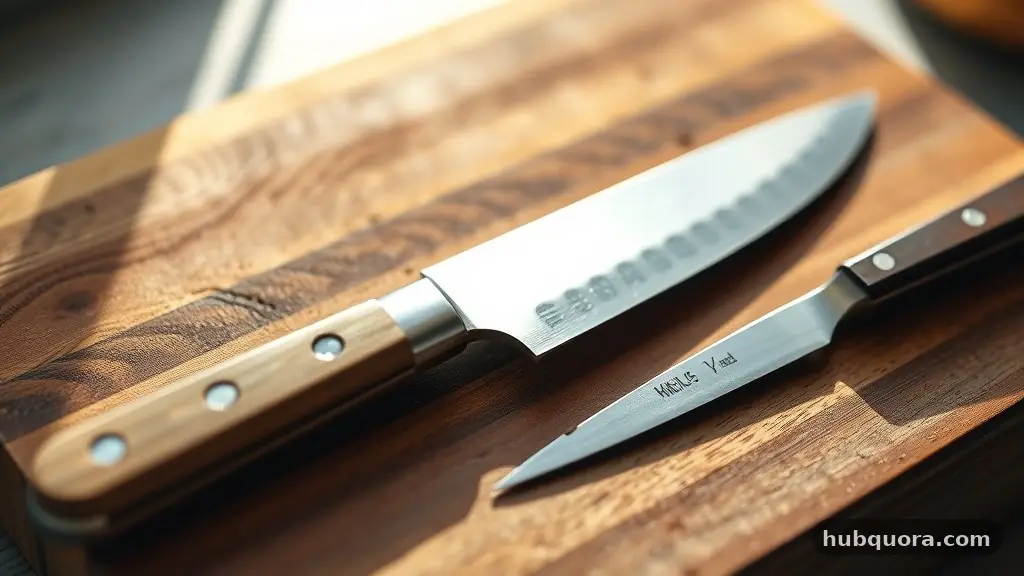
One area often overlooked in discussions about the parer meaning is the distinction between a professional-grade tool and a mass-produced consumer item. When you visit a specialty culinary supply store, you will find that the steel quality, handle ergonomics, and balance points vary significantly. These differences directly impact the longevity of the tool.
A cheap, stamped-metal blade might work for a few months, but it will quickly lose its edge and potentially rust. A forged blade with a full tang, conversely, provides a better experience and holds an edge for much longer.
Furthermore, the term is sometimes used in specific industries beyond cooking, such as in woodworking or leather crafting, where a “paring chisel” is used to shave off thin layers of material. While the tool is physically different from a kitchen knife, the underlying etymological concept remains the same: the removal of an outer layer to refine a shape. Recognizing this shared root helps you understand the broader vocabulary of craftsmanship.
Whether you are working with wood or produce, the goal of the action is the same. You can find more information about the history of such tools at the Smithsonian Institution, which provides extensive archives on the evolution of household and trade implements.
Selecting the Right Tool for Your Needs
When choosing a parer for your kitchen, consider the material and the handle grip. Stainless steel is the most common material due to its resistance to rust and ease of maintenance. However, high-carbon steel is favored by some professionals for its ability to hold a sharper edge for a longer period.
The handle should be comfortable in your hand, providing a non-slip grip that gives you confidence while working with slippery ingredients. Don’t be afraid to hold the knife in the store; if it doesn’t feel right in your palm, it probably won’t feel right when you are working.
Your choice of tool should reflect the frequency of your cooking and the type of ingredients you handle most often. If you find yourself peeling a lot of vegetables, a high-quality swivel peeler is a better investment than a second paring knife.
If you focus more on precision work like garnishing and deveining, a high-quality, small knife is the better choice. Building a functional kitchen is about balance, and your choice of tools should always serve the specific tasks you perform most frequently.
FAQ
Is a paring knife the same as a parer?
Yes, in a culinary context, the terms are often used interchangeably. A parer is the general name for the tool, while a paring knife is the specific type of knife designed for these trimming and peeling tasks. Both refer to tools used for precision work on small ingredients.
What does the word pare mean in other languages?
The word stems from the Old French parer, which means to prepare or adorn. In many Romance languages, the root continues to relate to general preparation or trimming, showing how the word evolved from a broad concept of getting something ready into a specific action of trimming away layers.
Can you use a parer for tasks other than peeling?
Absolutely. While it is designed for peeling, the sharp, pointed tip is perfect for tasks like hulling strawberries, removing eyes from potatoes, deveining shrimp, or creating decorative garnishes. Its small size makes it one of the most versatile and frequently used knives in any kitchen setup.
How do I maintain the edge on my parer?
You should hone your knife regularly with a honing steel to keep the edge aligned, and sharpen it with a whetstone or professional sharpener every few months. Avoid putting high-quality knives in the dishwasher, as the heat and harsh detergents can damage the handle and dull the blade.
Conclusion
Understanding the parer meaning involves acknowledging both the practical reality of kitchen work and the linguistic history that links the tool to the act of refinement. Whether you are a professional chef or a home cook, having a reliable, sharp implement for precision tasks is essential for success. By selecting high-quality tools and learning the correct techniques, you make your time in the kitchen more efficient and enjoyable.
The next time you pick up a small knife to trim an ingredient, remember that you are participating in a long tradition of culinary preparation. If you want to improve your skills, start by practicing consistent, safe cutting techniques on simple produce. Your kitchen will become a place of greater creativity and confidence as you master these small but vital tools.

James Wilson is the founder and lead editor of HubQuora.com, where he covers the latest celebrity news, entertainment trends, viral gossip, and net worth stories. With a passion for pop culture and digital media, James delivers engaging, accurate, and up-to-date content that keeps readers informed about the world of celebrities, influencers, and entertainment industry buzz.