
Understanding the zaddy meaning requires looking past simple dictionary definitions to the evolving landscape of digital vernacular. At its core, the term describes an attractive man who possesses a specific blend of style, confidence, and charisma. While it shares phonetic roots with older slang, it has carved out a unique space in social media discourse over the last several years.
You’ll find this label applied to celebrities, public figures, and even everyday people who exude a certain “swagger” that commands attention. Grasping this term helps you better interpret the nuances of modern internet culture and the way language shifts to reflect changing social dynamics.
The Linguistic Evolution of Zaddy

The term emerged from African American Vernacular English (AAVE) and eventually gained widespread popularity through social media platforms. Unlike older iterations of similar descriptors, the “z” prefix adds a layer of playfulness and intentional flair.
Language is rarely static, and this transition proves how quickly a niche term can become part of the mainstream lexicon. By analyzing its roots, you can see how users combine existing concepts with new suffixes to create fresh, culturally relevant labels.
This word is not just a synonym for a romantic partner. Instead, it acts as an appreciative aesthetic judgment. When people use this word, they are highlighting a man’s grooming, his fashion sense, and his overall presence.
It implies that the person is not just handsome, but also carries themselves with an air of sophistication or undeniable coolness. The “z” essentially acts as a stylistic intensifier, signaling that the subject is a step above the standard definition of an attractive man.
Distinguishing Zaddy from Traditional Terms
Many people confuse this term with “daddy,” yet the two serve distinct purposes in conversation. While “daddy” often carries deep connotations of intimacy, authority, or traditional power dynamics, the zaddy meaning is far more focused on style and visual appeal.
You might refer to a fashion-forward celebrity as a zaddy without implying any personal or romantic relationship at all. It is a public-facing compliment rather than a private endearment.
Comparing these terms helps clarify why one has become a social media staple while the other remains rooted in personal preference. The following table highlights the differences between these two common slang descriptors:
| Feature | Daddy | Zaddy |
|---|---|---|
| Primary Focus | Intimacy/Authority | Style/Swagger |
| Context | Personal/Private | Public/Social Media |
| Vibe | Protective/Stern | Charming/Fashionable |
Why the Z Matters in Modern Slang
The inclusion of the letter “z” serves a specific phonetic and cultural purpose. In many cases, adding a “z” to the start of a word mimics the sound of “zest” or “zing,” implying that the person has a little extra energy or personality.
This is a common pattern in slang, where modifying the spelling of a word changes its emotional weight. It transforms a standard noun into a descriptor that feels current, youthful, and internet-savvy.
Because this term gained traction during the rise of viral content, the “z” also makes it easier to search and tag on platforms like TikTok or Instagram. Algorithms favor unique, catchy spellings, and the shift from “daddy” to “zaddy” allowed the term to trend independently.
It essentially rebranded an existing concept for a generation that values individuality and distinct self-expression. When you see the term used online, it’s almost always accompanied by a post showcasing the subject’s outfit or demeanor.
The Role of Style and Grooming
A central component of the zaddy meaning is the emphasis on intentional grooming. It is rarely used to describe someone who looks disheveled or indifferent to their appearance.
Instead, it points toward a man who puts effort into his clothing, hair, and overall presentation. This might involve a well-tailored suit, a perfectly maintained beard, or simply a consistent commitment to a personal aesthetic that feels polished and refined.
This expectation of quality is why the label is often reserved for men who seem to have their lives together. The term suggests a level of maturity that is missing from more casual descriptors. If a man is described as having “zaddy energy,” it usually means he is confident, composed, and visually striking.
It is a high-status compliment that recognizes the labor behind maintaining a specific look. You can find more information about the evolution of modern language and slang at the Merriam-Webster dictionary, which tracks how words enter the cultural mainstream.
Social Media and the Viral Nature of the Term

The rapid spread of this word is almost entirely due to social media. Platforms like Twitter and TikTok allow users to define and redefine slang in real time. When a high-profile celebrity is spotted looking particularly sharp, the term often trends within hours.
This cycle of appreciation and public commentary is how the zaddy meaning solidified its place in the digital dictionary. It is a collaborative process where thousands of users agree on the vibe a person projects.
These platforms also allow for the term to be used ironically or playfully. You might see friends calling each other by this name as a joke, or fans using it to express intense admiration for their favorite actors.
This flexibility is what keeps the term relevant. It isn’t restricted to one specific demographic or age group, though it does generally skew toward those who are active in online communities.
The Age Range of a Zaddy
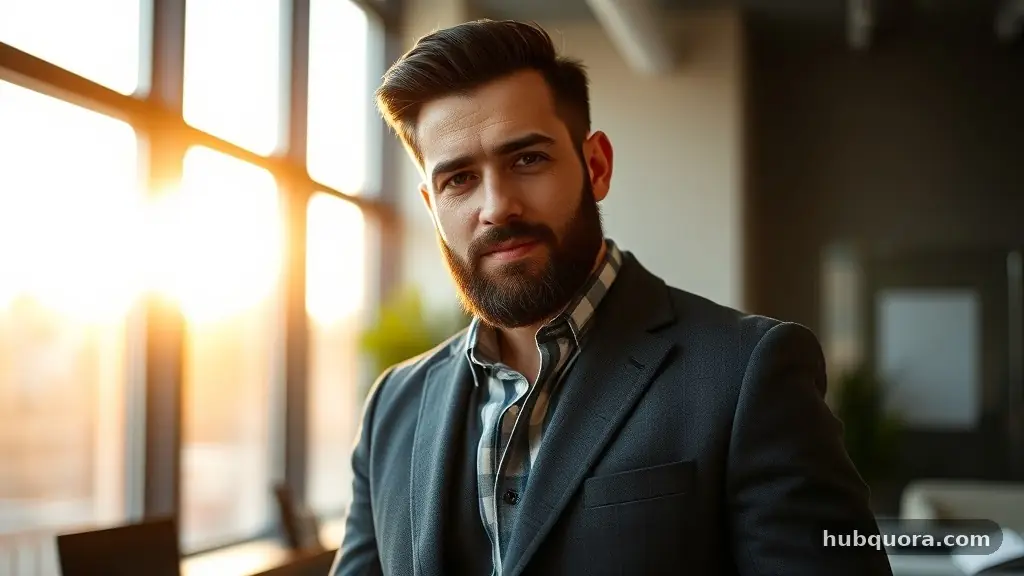
One of the most common questions involves whether there is an age limit for this title. While there is no formal rule, the term is most frequently applied to men who are in their thirties or older.
This is likely because the concept relies on a sense of maturity and established confidence. A younger man might be described as “cute” or “handsome,” but the term zaddy implies a level of “grown-man” status that typically comes with time.
It represents the transition from boyish charm to a more grounded, sophisticated appeal. This is why you often see the word paired with images of men in their prime. They aren’t just attractive; they have a history and a presence that command respect.
This nuance is crucial for understanding why not every attractive man qualifies for the label. The “zaddy” persona is built on a foundation of experience, which is why it feels more earned than other descriptors.
Addressing Topical Gaps in Definition

There is often confusion regarding whether the term is inherently objectifying. Some critics argue that slang terms for men are a reversal of historical trends where women were reduced to labels. However, the usage of this specific word is generally celebratory.
It is used to express attraction and admiration, often in a lighthearted, consensual, and appreciative manner. It isn’t meant to strip away a man’s humanity; rather, it is a way to signal that he has caught someone’s attention in a positive, noticeable way.
Another gap in common knowledge is the regional usage. While it originated in American urban centers, its reach is now global thanks to the internet. You will find it used in the UK, Australia, and beyond, often with the same underlying meaning.
The term has successfully crossed borders because the concept of “attractive man with style” is universal. It is a testament to how digital connectivity allows for a shared, global vocabulary that transcends local dialects.
Common Scenarios for Usage

You will encounter this term in a variety of contexts, ranging from casual text messages to formal entertainment journalism. Understanding where and when to use it is key to avoiding awkward interactions. Here are a few common ways the term appears in daily life:
- Commenting on a celebrity’s red carpet look to emphasize their style.
- Describing a friend who has suddenly leveled up their wardrobe or grooming.
- Using it in a group chat to point out an attractive person in a video.
- Highlighting a public figure who displays calm, collected leadership.
- Referencing a fictional character who exudes charm and self-assurance.
These examples show that the term is largely social. It functions as a way to build community and share opinions about aesthetics. When you use the word in these settings, you are participating in a larger cultural conversation about what we find attractive and why.
The Psychological Appeal of the Term

Why do people feel the need to label attractive men with such specific slang? It comes down to the human desire to categorize and share our experiences. When we find someone attractive, we want to communicate that to others in a way that feels punchy and effective.
The word captures a complex set of feelings—attraction, respect, and a bit of playful amusement—in just two syllables. It is an efficient way to convey a mood.
Furthermore, the term allows for a sense of belonging. Using current slang signals that you are “in the loop” and understand the cultural shorthand of the moment. It provides a way to connect with others who share your taste in aesthetics.
This psychological need for social cohesion is a massive driver in how language evolves. We don’t just use words to describe the world; we use them to build bridges with the people around us.
Future Outlook for the Word
Like all slang, the term will likely continue to evolve. It may eventually fade from daily use as new words replace it, or it could become a permanent fixture in the English language.
For now, it remains a vibrant part of our digital vocabulary. As long as there are celebrities, influencers, and stylish individuals capturing our collective attention, there will be a need for words that describe that specific “zaddy” appeal.
The longevity of the term will depend on how well it adapts to new cultural shifts. If the definition remains flexible, it will persist. If it becomes too rigid or loses its playful edge, it might be replaced by something else.
Regardless of its future, it currently serves as a perfect example of how the internet creates, spreads, and refines language. It is a snapshot of our current cultural priorities and the way we choose to express our admiration for others.
FAQ
What does zaddy mean in common slang?
The term refers to an attractive man who possesses a blend of confidence, style, and charisma. It is commonly used on social media to describe someone who is well-groomed, fashionable, and exudes a certain “swagger” or mature appeal that sets them apart from others.
Is there a specific age range for a zaddy?
While not strictly defined by age, the term is most often applied to men in their thirties or older. This is because the label implies a sense of maturity, life experience, and a “grown-man” presence that is typically developed over time rather than during one’s youth.
Why is there a Z at the beginning of the word?
The “z” acts as a stylistic intensifier. It adds a sense of flair and playfulness to the word, differentiating it from the more traditional “daddy.” This modification makes the term feel more current, internet-savvy, and distinct when used across social media platforms like TikTok or Instagram.
Does using the term imply a romantic relationship?
No, the term is frequently used in a platonic or appreciative sense. You might call a celebrity or a public figure a zaddy simply because you admire their style or appearance. It is an aesthetic judgment rather than a statement about your personal or romantic status with that person.
Conclusion
The zaddy meaning has become a defining piece of modern digital vernacular, capturing the intersection of style, maturity, and charisma. By moving beyond simple definitions, we see that it functions as a social tool for expressing admiration and participating in shared cultural trends. Whether you are discussing fashion-forward celebrities or simply observing the nuances of online conversation, this term provides a clear way to articulate specific types of attraction.
As language continues to shift, keeping track of these terms allows for better communication and a deeper understanding of digital interaction. Remember that slang is meant to be fun and expressive.
Don’t be afraid to use it in appropriate social settings to share your perspective on style and presence. If you have enjoyed this look into the history and usage of the term, feel free to share your thoughts or join the conversation in your own social circles.

James Wilson is the founder and lead editor of HubQuora.com, where he covers the latest celebrity news, entertainment trends, viral gossip, and net worth stories. With a passion for pop culture and digital media, James delivers engaging, accurate, and up-to-date content that keeps readers informed about the world of celebrities, influencers, and entertainment industry buzz.