
Exploring the atria meaning reveals a fascinating intersection between biological function and architectural design. While most people immediately think of the human heart when they hear the term, the word itself holds a distinct history rooted in ancient Roman construction.
Whether you are investigating the cardiovascular mechanics that keep you alive or studying the grand, open-air spaces of historical buildings, understanding this term requires looking at how structures—both organic and man-made—function to facilitate movement and flow. By examining these two primary contexts, you will gain a clearer picture of why this specific terminology remains essential in both medical textbooks and architectural blueprints today.
The Biological Definition of Atria
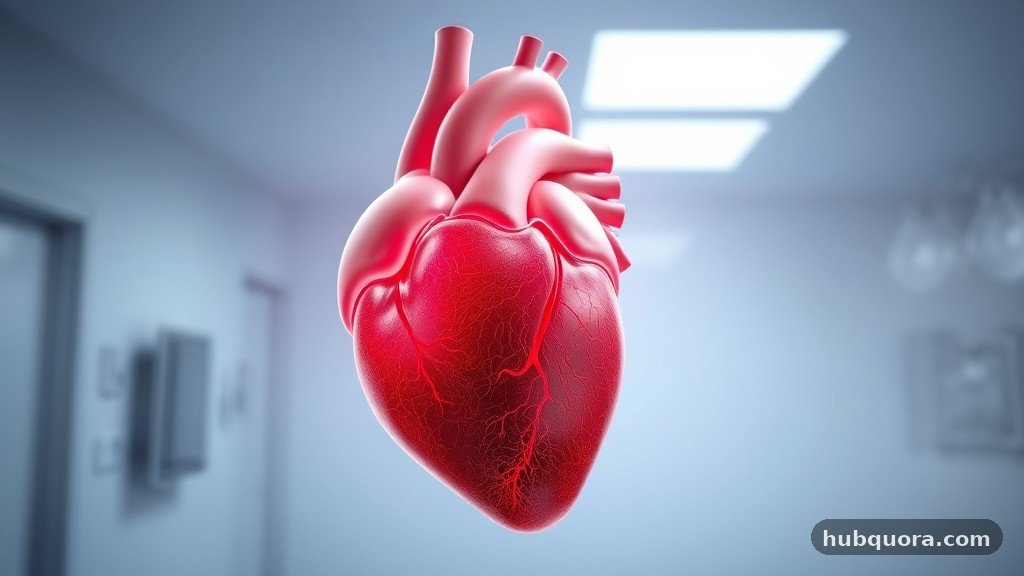
In the context of human biology, the atria are the two upper chambers of the heart. These structures are essential for the efficient operation of the circulatory system. Each heart contains two distinct atria: the right atrium and the left atrium.
These chambers act as the primary entry points for blood returning to the heart from various parts of the body. Their walls are relatively thin compared to the more muscular ventricles, as their primary job is to receive blood and then push it down into the next set of chambers rather than pumping it to the entire body.
The atria operate in a synchronized rhythm with the rest of the heart. When the heart muscle relaxes, the atria fill with blood. This process is vital because it ensures that the ventricles have a steady supply of blood ready to be pushed out to the lungs or the rest of the body.
Without this initial collection phase, the heart would struggle to maintain the pressure necessary for life. Understanding the atria meaning in a medical sense is foundational for anyone studying how the human body sustains itself through constant, rhythmic movement.
Anatomy of the Right Atrium
The right atrium is the chamber that receives deoxygenated blood from the body. It collects blood that has already circulated through the tissues and organs, where it has dropped off oxygen and picked up carbon dioxide.
This blood enters the right atrium through two large veins known as the superior vena cava and the inferior vena cava. Once these veins deposit the blood, the right atrium contracts to move it through the tricuspid valve and into the right ventricle.
This specific movement is a critical stage in the pulmonary loop of the circulatory system. By receiving blood that is low in oxygen, the right atrium ensures that the blood can be sent to the lungs for re-oxygenation.
If the right atrium fails to function correctly, the entire flow of the body’s blood supply can become congested, leading to serious medical complications. Medical professionals often monitor the pressure within this chamber to assess overall heart health and blood volume levels.
Anatomy of the Left Atrium
While the right side handles deoxygenated blood, the left atrium has a different but equally vital role. It receives oxygen-rich blood directly from the lungs via the pulmonary veins.
Because this blood has just been enriched with oxygen, the left atrium is responsible for preparing it for the final, most powerful push from the heart. Once the left atrium fills, it contracts, forcing the blood through the mitral valve and into the left ventricle.
The left ventricle then takes this oxygenated blood and pumps it out to the rest of the body. The left atrium is essentially the gatekeeper for the high-pressure system that sustains your organs and muscles.
Because it works so closely with the lungs, any issues affecting the left atrium can often manifest as respiratory symptoms or fatigue. You can find more details on how these components interact at the American Heart Association, which provides extensive resources on cardiac function and anatomy.
Architectural Origins of the Term
Beyond the human body, the atria meaning is deeply connected to classical architecture. In ancient Roman homes, the atrium was the central, open-air court or hall.
This space was typically the most important room in a house, often featuring an opening in the roof that allowed light and rainwater to enter. The word itself comes from the Latin term for a central room or hall, and it served as a social and functional hub for the household.
In modern architecture, the term has evolved significantly. Today, an atrium refers to a large, multi-story open space, often covered by a glass roof or skylight.
These spaces are designed to bring natural light into the center of a building, reducing the need for artificial lighting and creating a sense of openness. Large office buildings, hotels, and museums often use these features to create a dramatic entrance or a communal gathering area that connects different floors.
Comparative Analysis of Atria Concepts
It is helpful to compare how the term functions in different fields to fully grasp its versatility. While the heart and a building represent very different environments, both systems utilize the concept of a central “receiving” or “transitioning” space.
| Context | Primary Function | Flow Direction |
|---|---|---|
| Cardiology | Receiving blood from veins | Into the ventricles |
| Architecture | Gathering and transition | Between rooms and floors |
This table highlights how the core idea of a “space that receives and distributes” remains consistent. In the heart, the “flow” is liquid and vital, whereas in architecture, the “flow” consists of people, light, and air. Regardless of the field, the term describes a point of entry that facilitates further movement.
Linguistic Roots and Etymology
When looking at the dictionary definition of these words, it becomes clear that the pluralization is a point of frequent confusion. The singular form is “atrium,” while “atria” is the plural form derived from Latin.
In English, we often adopt these Latin plurals for scientific and technical terms. Understanding the etymology helps clarify why we use the plural form even when referring to the two chambers of a single heart.
The word has traveled through various languages, including Spanish, where “atrio” still refers to a forecourt or entrance. This linguistic history underscores the idea of a threshold.
Whether it is the entrance to a Roman temple or the entry chamber of the heart, the term consistently points to a space that precedes the main action. Identifying these roots allows students of biology and architecture to better appreciate the evolution of the vocabulary they use daily.
Key Differences Between Atria and Ventricles
A common point of confusion for students is the difference between the atria and the ventricles. While they are both chambers of the heart, they serve distinct purposes. The atria are smaller and thinner-walled because their primary job is to receive blood and move it a short distance.
In contrast, the ventricles are the heavy lifters. They have thick, muscular walls designed to pump blood with enough force to travel through the entire body or to the lungs.
- Atria receive blood from the veins.
- Ventricles pump blood into the arteries.
- Atrial walls are thin and elastic.
- Ventricular walls are thick and powerful.
- Atria contract to fill the ventricles.
- Ventricles contract to circulate blood systemically.
Recognizing these differences is fundamental to understanding the atria science that powers our cardiovascular system. If the atria were as thick as the ventricles, the heart would be far too bulky and inefficient. The division of labor between these chambers is a perfect example of biological optimization, where form follows function to ensure the most efficient use of energy.
Common Medical Conditions Affecting the Atria
Because the atria are the first point of contact for blood entering the heart, they are often the first to show signs of trouble. One of the most common conditions is atrial fibrillation, which occurs when the electrical signals in the atria become chaotic. This prevents the atria from contracting effectively, which can lead to blood pooling and an increased risk of clots.
Another issue involves the structure of the atria itself, such as an atrial septal defect. This is a hole in the wall between the two atria that is present from birth.
This defect allows oxygenated and deoxygenated blood to mix, which forces the heart to work harder than it should. Doctors use various diagnostic tools, such as echocardiograms, to visualize these chambers and ensure that the flow remains smooth and consistent.
Addressing Topical Gaps in Heart Anatomy
Many people ask why the atria are called “atria” specifically in the context of the heart. The answer lies in early anatomical observation. When early anatomists dissected hearts, they were struck by the resemblance of these upper chambers to the grand, central courtyards of the homes they lived in.
They acted as the “reception halls” for blood. This naming convention has persisted for centuries, bridging the gap between historical building design and modern biological classification.
Another gap often missed is how the atria interact with the electrical conduction system of the heart. The atria contain the sinoatrial node, which is the heart’s natural pacemaker. This tiny cluster of cells sends out the electrical impulses that tell the heart when to beat.
Without this specialized tissue found within the right atrium, the heart would not have the necessary rhythm to sustain life. It is not just a passive chamber; it is an active controller of the entire cardiac cycle.
The Role of Atria in Modern Design
In contemporary architecture, the design of an atrium is often a statement of sustainability. Architects use these spaces to create “stack ventilation,” where hot air rises and escapes through the top of the building, pulling fresh, cool air in from the bottom. This passive cooling technique is a direct application of the “atrium” concept to improve energy efficiency.
When you see a large, glass-covered space in a modern building, you are looking at a descendant of the ancient Roman atrium. It still serves the same basic purpose: to act as a light-filled, central point of arrival that organizes the surrounding spaces. Whether it is in a hospital, a corporate headquarters, or a high-end apartment complex, the design remains a testament to the enduring utility of this architectural feature.
FAQ
Is atria the plural for atrium?
Yes, atria is the Latin-derived plural form of the singular word atrium. In both medical and architectural contexts, you use “atrium” when referring to one space or chamber and “atria” when referring to two or more.
What is the main function of the atria in the heart?
The primary function of the atria is to receive blood as it returns to the heart through the veins. They act as holding chambers, collecting blood and then contracting to pump it down into the larger, more powerful ventricles for circulation.
Why are the chambers of the heart called atria?
The term was adopted by early anatomists who observed that these upper chambers resembled the central, open-air courtyards found in Roman homes. They viewed these chambers as the “reception areas” where blood arrived before moving deeper into the heart’s pumping system.
Can you have a healthy life with an atrial condition?
Many people live full, active lives while managing atrial conditions like atrial fibrillation. With modern medical intervention, including medication, lifestyle adjustments, and sometimes minor procedures, doctors can effectively manage the rhythm and function of the heart to ensure long-term health and stability.
Conclusion
Understanding the atria meaning requires looking at both the biological chambers that circulate your blood and the architectural spaces that define our buildings. While the environments are vastly different, the underlying principle of a central, receiving space remains the same. Whether you are considering the rhythmic pulse of your heart or the light-filled expanse of a modern lobby, you are witnessing the same fundamental design of entry and distribution.
By recognizing these connections, you gain a deeper appreciation for how language links our physical bodies to the structures we inhabit. If you found this overview helpful, consider exploring more about human anatomy or architectural history to see how these concepts continue to shape our world.

James Wilson is the founder and lead editor of HubQuora.com, where he covers the latest celebrity news, entertainment trends, viral gossip, and net worth stories. With a passion for pop culture and digital media, James delivers engaging, accurate, and up-to-date content that keeps readers informed about the world of celebrities, influencers, and entertainment industry buzz.