
Grabbing a firm grasp on the cadence meaning helps you better understand how rhythm shapes everything from the way we speak to how we manage complex business operations. At its core, this term refers to a rhythmic flow of a sequence of sounds, movements, or events.
Whether you are analyzing the meter of a poem, tracking your steps during a morning run, or setting the meeting frequency for a project team, you are dealing with a specific pattern of timing. This article breaks down how this concept functions across different disciplines so you can apply it effectively to your own work and communication style.
The Linguistic Roots and Evolution

The history behind the cadence meaning is deeply rooted in language and art. Etymologically, it traces back to the Italian word cadenza, which relates to the fall of a voice or a musical note. In the context of the English language, it functions as a noun describing the inflection or modulation of the voice.
When you speak, your cadence isn’t just about speed; it’s about the rise and fall of pitch and the emphasis placed on specific syllables. This creates a natural rhythm that helps listeners process information more efficiently.
Think of a public speaker who drones on in a flat tone. The lack of variety makes it difficult to stay engaged. By contrast, a speaker who uses a varied cadence keeps the audience leaning in.
According to the Merriam-Webster definition, it specifically refers to a rhythmic sequence or flow of sounds in language. This nuance is vital for writers and orators alike.
When you compose a sentence, you are essentially building a musical score for the reader’s internal voice. If your word choices lack a steady pulse, the message loses its impact.
Cadence in Musical Composition
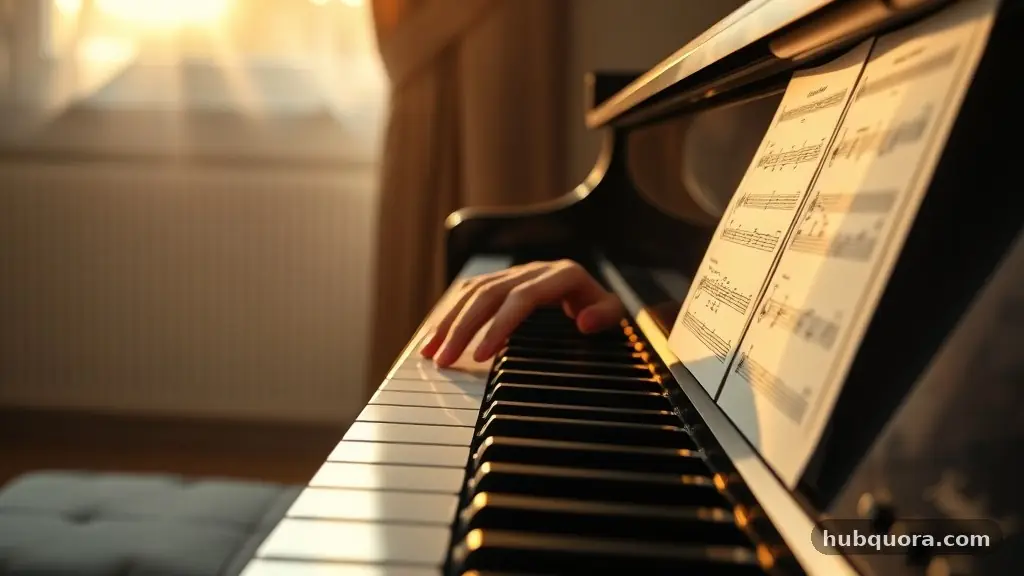
In music, this term takes on a precise technical function. It marks the end of a musical phrase or section, providing a sense of closure or resolution. A cadence in music is what tells the ear that a thought is complete.
Without these structural markers, a piece of music would feel like a run-on sentence that never finds its period. Composers use different types of resolutions to create tension and release, guiding the listener through the emotional arc of the composition.
The beat acts as the foundation, but the cadence provides the punctuation. Just as you need a comma or a full stop in a paragraph, a melody requires a point of rest to stabilize the harmony. Whether it is an authentic resolution or a deceptive one that leaves the listener wanting more, these patterns define the musical experience.
Understanding this helps you appreciate why certain songs feel satisfying while others leave you feeling unresolved. It is the invisible architecture that supports the melody and gives the composition its character.
Measuring Cadence in Athletics

When athletes talk about their performance, they often refer to their cadence as a primary metric for efficiency. In running or cycling, this refers to the number of steps or pedal strokes taken per minute.
A higher number typically indicates a lighter, more efficient stride, which can help prevent injuries. If you are struggling with shin splints or knee pain, a quick check of your steps per minute—or SPM—might reveal that you are over-striding.
Finding your optimal rhythm is not about forcing a specific number, but rather about consistency. Many runners aim for a higher rate to reduce the impact of each foot strike. By keeping your feet moving at a steady tempo, you minimize the time spent in the air and decrease the force absorbed by your joints upon landing.
This physical rhythm is a perfect example of how the term applies to movement. It is the repetitive, predictable nature of the action that defines the efficiency of the entire system.
| Activity | Measurement Unit | Primary Goal |
|---|---|---|
| Running | Steps per minute (SPM) | Joint impact reduction |
| Cycling | Revolutions per minute (RPM) | Muscular endurance |
| Project Management | Meetings per month | Team alignment |
| Public Speaking | Words per minute (WPM) | Audience retention |
Business Operations and Team Alignment

In the modern workplace, the cadence meaning has been adopted to describe the operational heartbeat of an organization. A team might establish a weekly meeting schedule to ensure everyone is moving in the same direction.
This structure is intended to create a predictable flow of information, preventing bottlenecks and keeping projects on schedule. When a team lacks a clear rhythm, communication often becomes fragmented, and people feel disconnected from the broader goals.
Establishing a reliable schedule is about more than just checking boxes. It is about creating a safe space where updates, feedback, and strategy adjustments can happen naturally. If your team meetings are chaotic, you likely have a broken operational cycle.
Leaders often use this term to describe the frequency of check-ins or the timing of product release cycles. By standardizing these intervals, you provide the team with a sense of stability. This predictability allows individual contributors to manage their time better and focus on high-impact work without the anxiety of surprise roadblocks.
The Role of Stress and Meter in Poetry
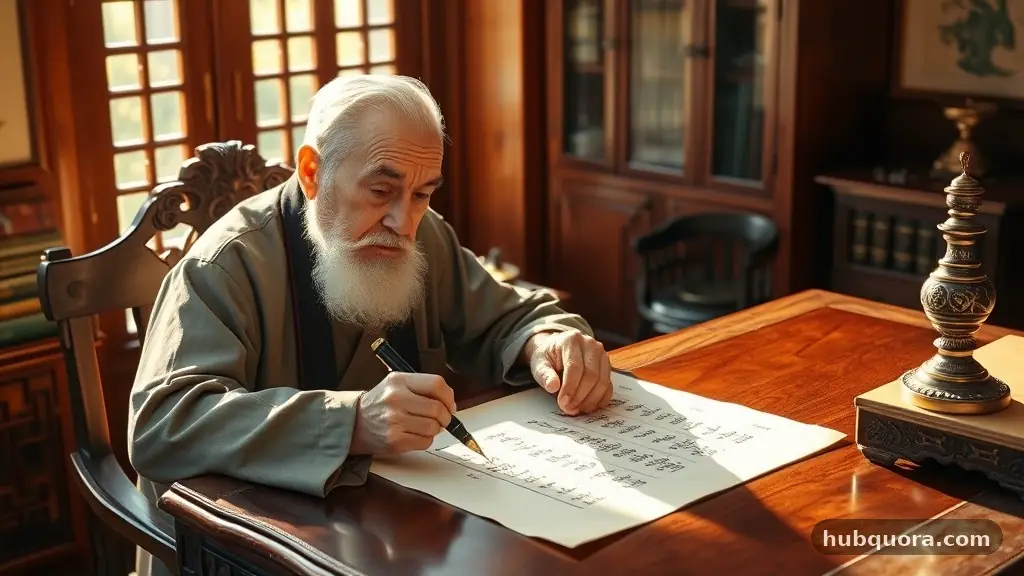
Poetry relies heavily on the cadence of language to convey emotion and meaning. The way words are arranged—specifically regarding their stress patterns—creates a specific “foot” or metric unit. This is what gives a poem its unique sound and texture.
If you read a line of iambic pentameter, you can feel the steady, heartbeat-like thump of the syllables. This isn’t accidental; it’s a deliberate choice by the poet to influence how the reader experiences the text.
Analyzing the meter is a way to see how the author controls the reader’s breath and attention. A word with a heavy stress might signal importance, while a string of unstressed syllables can create a sense of urgency or lightness. The analysis of these patterns reveals the underlying logic of the work.
It’s not just about the meaning of the words themselves, but how they sound when placed together in a sequence. You can see how the rhythm dictates the mood, turning simple prose into something that sticks in the memory.
Addressing Common Topical Gaps

Many people search for the meaning of this term without realizing how it differs from simple “speed.” A common gap in understanding is the confusion between pace and rhythm. While they are related, they are not identical.
Pace is a measure of velocity, whereas this concept is a measure of pattern. You can have a fast pace that is completely erratic, but a true cadence implies a repetitive, structured cycle.
Another gap involves the cultural translation of the term. In Spanish or French, the cognates often retain their musical roots more strongly than in everyday English usage.
Why Distinguishing Pace from Rhythm Matters
When you focus only on speed, you miss the nuance of flow. A high-speed runner who lacks a consistent step pattern will fatigue much faster than someone with a slightly slower, more rhythmic gait. In business, a high-frequency meeting schedule might look like productivity, but if it lacks a logical sequence, it becomes a burden rather than a support system.
Recognizing this distinction helps you avoid the trap of equating “faster” with “better.” Always look for the pattern before you try to increase the speed.
Cadence in Software Development

In the world of software engineering, teams often talk about their “release cadence.” This refers to the frequency at which new code is deployed to production. A rapid release cycle allows for quick feedback loops and faster bug fixes.
However, it requires a high level of discipline to maintain. If the team’s internal pace is inconsistent, the software quality often suffers. This is why many organizations adopt agile frameworks that prioritize a consistent, predictable cycle of development.
Maintaining a steady flow helps developers avoid the “crunch” periods that lead to burnout. By breaking down large features into smaller, manageable chunks that fit into a fixed cycle, teams can maintain a sustainable level of output. The support systems built around these cycles—like automated testing and continuous integration—are designed to protect the integrity of the process.
When the rhythm is right, the team can scale their efforts without sacrificing stability. It is a balancing act of speed, quality, and human endurance.
Improving Your Speaking Voice

If you want to improve your public speaking, you must examine your own vocal patterns. Do you speak in a monotone? Do you rush through your main points and pause in the wrong places?
Recording yourself is the best way to get an objective view of your style. Listen for the natural highs and lows.
Notice where you speed up and where you slow down. A strong speaker uses pauses to create emphasis, effectively using silence as a part of their overall rhythmic structure.
Don’t be afraid to experiment with different tempos. Sometimes, a slow, deliberate delivery is the best way to emphasize a critical point. Other times, a quickening tempo can build excitement and drive the audience toward a conclusion.
The key is to avoid staying in one lane for too long. If you find yourself losing your audience, it is likely because your voice has settled into a predictable, boring rhythm. Break the pattern, change your volume, and vary your timing to keep the listener engaged.
Cultural and Artistic Interpretations

Beyond the technical definitions, this concept appears in art and architecture as a way to create visual harmony. A series of arches in a hallway or the spacing of windows on a building facade creates a visual rhythm that guides the eye. This is a form of architectural cadence.
It provides a sense of order that makes a space feel intentional and balanced. When you walk through a building that uses these principles effectively, you feel a sense of comfort because your brain can easily predict the next structural element.
This principle extends to fashion and design as well. The repetition of patterns, colors, or textures creates a flow that draws the eye across a garment or a room. It is a fundamental design rule that prevents visual clutter.
Just as in music or speech, the goal is to create a sense of unity. If the repetition is broken, it can be used to create a focal point or a sense of surprise. Understanding this allows you to appreciate the deliberate choices made by designers to create a pleasing environment.
Adapting Cadence to Personal Goals
Applying this concept to your personal habits can be a powerful way to change your lifestyle. Consider your daily routine. Do you wake up at different times, eat at random intervals, and exercise only when you feel like it?
This lack of structure is the opposite of a healthy rhythm. By setting a personal cadence—such as a consistent morning routine or a fixed time for creative work—you reduce the cognitive load required to make decisions.
You don’t need to be rigid to have a system. Instead, aim for a baseline that provides stability while allowing for flexibility. If you know you are most productive in the morning, protect that time as a core part of your daily rhythm.
Over time, these habits become automatic. You stop needing willpower to get things done because the structure of your day carries you forward. This is the ultimate goal of mastering your personal rhythm: creating a life that feels balanced, sustainable, and intentional.
FAQ
What does cadence mean in simple terms?
At its simplest, it is a rhythmic pattern or flow. Think of it as the pulse of an activity, whether it is the way you speak, the way you move while running, or the timing of meetings in a business setting. It describes the consistency of a sequence.
How does cadence impact public speaking?
It dictates the speed, inflection, and pauses in your voice. A good speaker uses a varied rhythm to emphasize key points and keep the audience engaged, whereas a monotonous delivery can cause listeners to lose interest. It is essentially the music of your spoken message.
Why is cadence important in running?
In running, it refers to your steps per minute. Maintaining a consistent, higher rate helps reduce over-striding, which in turn lowers the impact on your joints. It helps you stay efficient, avoid common running injuries, and maintain a steady level of energy throughout your workout.
Can cadence be applied to business?
Yes, it is often used to describe the frequency of team interactions. Establishing a predictable rhythm for meetings and project updates helps ensure alignment, prevents communication gaps, and keeps everyone focused on the same goals without the confusion of irregular or surprise check-ins.
Conclusion
Mastering the cadence meaning gives you a versatile tool for analyzing the world around you. Whether you are fine-tuning your speaking voice, optimizing your athletic performance, or structuring your business operations, the principle remains the same: consistency creates efficiency. By identifying the natural rhythms in your own life, you can replace chaos with a predictable flow that helps you achieve your goals with less friction.
Start by observing the patterns in your daily habits and notice where the rhythm feels off. Small adjustments to your timing or frequency can have a profound impact on your overall output.
Take a moment to reflect on your current routines and see where you can introduce more intentionality. If you found this explanation helpful, feel free to share your thoughts or reach out with your own experiences regarding rhythm and structure.

James Wilson is the founder and lead editor of HubQuora.com, where he covers the latest celebrity news, entertainment trends, viral gossip, and net worth stories. With a passion for pop culture and digital media, James delivers engaging, accurate, and up-to-date content that keeps readers informed about the world of celebrities, influencers, and entertainment industry buzz.