
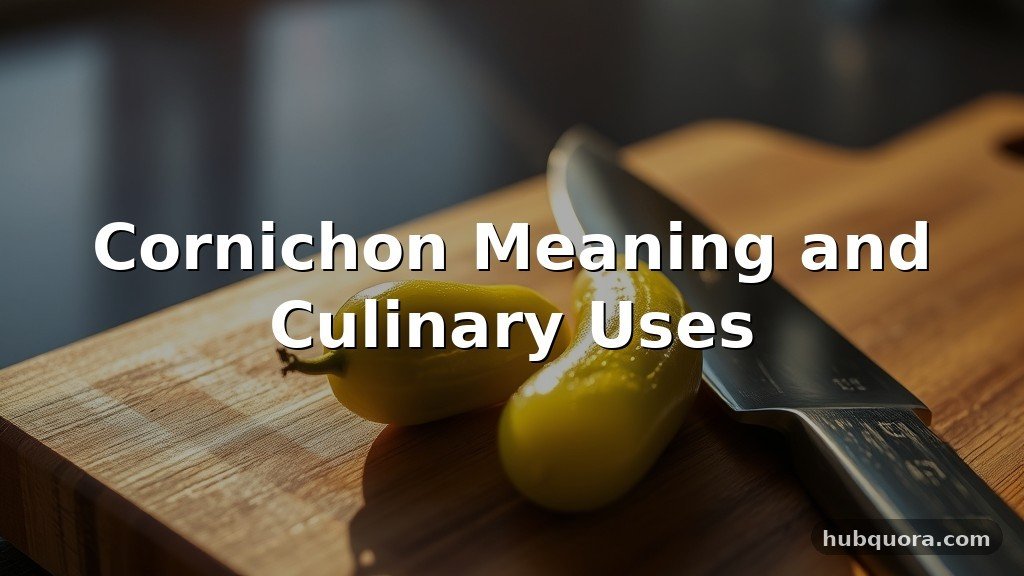
If you have ever found yourself staring at a fancy cheese board, wondering about the tiny, bumpy green items nestled between the salami and the brie, you are likely looking at a cornichon. While many people simply refer to them as pickles, the actual cornichon meaning is rooted in specific French culinary traditions. These aren’t just any cucumbers; they are harvested at a juvenile stage to ensure a particular texture and flavor profile.
Understanding what makes them different from a standard deli pickle can change the way you approach your next kitchen project or dinner party. Grasping the nuance of these tiny bites helps you appreciate why they are a staple in classic European cuisine.
The Linguistic Roots of the Cornichon
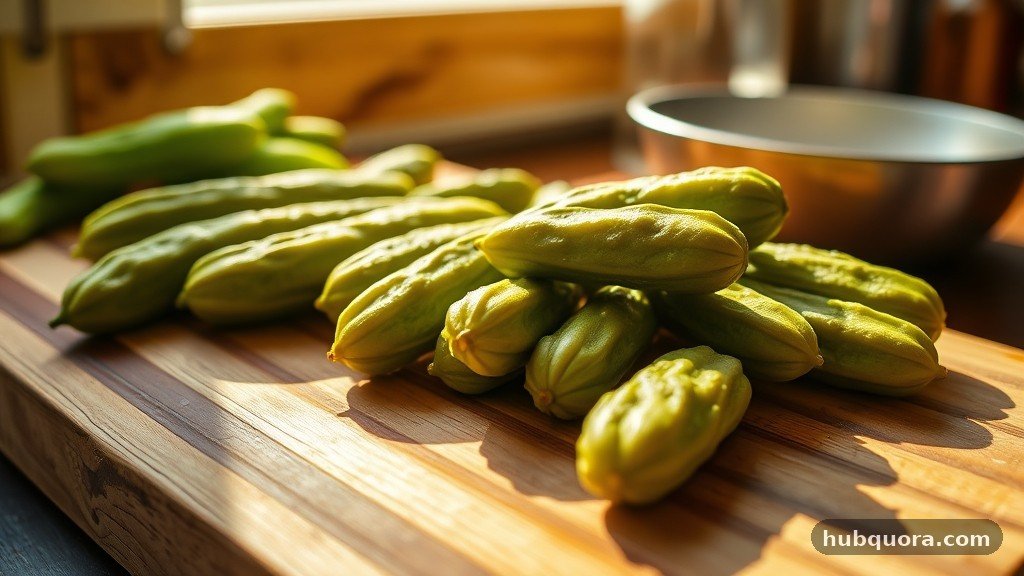
When we investigate the cornichon meaning from a linguistic perspective, we find ourselves looking at the French language. The term is derived from the French word for “little horn,” which perfectly describes the shape of these miniature cucumbers.
While the English language has largely adopted the word as a loanword, it retains its specific French connotations regarding size and preparation. In a standard dictionary, you will find that a cornichon is defined as a small, tart, pickled gherkin.
It is fascinating how language tracks cultural habits. Because the French have such a long-standing tradition of preserving vegetables in vinegar, the term became synonymous with a very specific type of condiment. Unlike a standard pickle that might be sliced into chips or spears, the cornichon remains whole.
This preservation of the whole vegetable is essential to its identity. When you see the word on a menu or a jar label, you are being signaled that you are about to experience a specific, sharp, and crunchy flavor profile that differs significantly from a bread-and-butter or dill pickle.
What Makes a Cucumber a Cornichon
Not every small cucumber qualifies as a cornichon. The primary distinction lies in the age of the vegetable at the time of harvest. Farmers pick these cucumbers while they are still in their infancy, often no more than an inch or two in length.
This early harvesting is crucial because it ensures that the seeds have not yet developed fully. When the seeds remain tiny and underdeveloped, the resulting pickle maintains a firm, crisp bite that does not turn mushy after the pickling process.
The variety of cucumber used is also important. Growers typically select specific cultivars that are bred for their bumpy, warty skin. This texture is not just for show; the ridges and bumps provide more surface area for the pickling brine to cling to.
When you bite into one, you get an immediate burst of vinegar and aromatics. They are designed to be petite, delicate, and intensely flavorful. If you were to let these same cucumbers grow to the size of a standard supermarket variety, they would lose that signature crunch and the dense, concentrated flesh that defines the cornichon experience.
The Pickling Process and Flavor Profile
The preparation of these tiny gherkins is a study in precision. Traditionally, they are pickled in a brine that leans heavily on high-quality white wine vinegar.
This acidity is the backbone of the cornichon meaning in a culinary sense. Unlike American-style pickles, which often incorporate sugar or a variety of spices like mustard seeds and dill, the classic French version is much more focused on a clean, sharp, and sour experience.
Many producers infuse the vinegar with aromatics to elevate the flavor. You will frequently find them flavored with tarragon, which adds a subtle, slightly licorice-like note that balances the intense acidity. Other common additions include pearl onions, black peppercorns, and sometimes a small piece of red chili for a whisper of heat.
The goal is to create a condiment that acts as a palate cleanser. Because they are so small, they provide a focused burst of flavor that cuts through the richness of fatty foods like pâté or cured meats without overwhelming the palate.
Cornichons vs. Standard Pickles
It is easy to confuse these with standard pickles, but the differences are substantial. If you compare them side-by-side, the contrast in both size and ingredient composition becomes clear.
A standard pickle is often a larger cucumber that has been sliced or fermented in a salt-heavy brine. Cornichons are almost exclusively vinegar-pickled and kept whole.
Key Differences Between Varieties
| Feature | Cornichon | Deli Pickle |
|---|---|---|
| Harvest Size | Very small (1-2 inches) | Large (4+ inches) |
| Texture | Extremely crunchy | Varies, often softer |
| Primary Flavor | Tart and acidic | Salty, sweet, or garlicky |
| Common Usage | Garnish and charcuterie | Sandwiches and sides |
The table above highlights why you wouldn’t necessarily swap one for the other in a recipe. If you need a sandwich pickle, a large dill spear provides the right ratio of moisture and crunch.
If you are assembling an elegant board, the small, refined nature of the cornichon is essential. They are designed to be eaten in a single bite, which is a very different consumption experience from the multiple bites required for a standard pickle.
The Role of Cornichons in Charcuterie
You will rarely see a high-end charcuterie board without a small ramekin of these green gems. There is a scientific reason for their presence alongside fatty meats and rich cheeses. The high acidity and sour notes of the cornichon act as a direct counterpoint to the fat in pork products like rillettes, pâté, or salami.
When you consume a bite of fatty meat, your palate becomes coated with oil. The vinegar in the cornichon strips that coating away, effectively resetting your taste buds so the next bite of meat tastes as fresh as the first.
Beyond the functional aspect, they add a necessary visual contrast. The deep, vibrant green of the pickles against the pinks and browns of cured meats makes for a more appealing presentation.
They are an essential element in the “French style” of snacking, where the balance of textures and flavors is highly prioritized. Because they are so small, guests can pick them up easily with a cocktail fork or even their fingers, making them the perfect low-effort, high-impact addition to any social gathering.
Cooking with Cornichons
While they are most famous as a raw accompaniment, they are also a secret weapon in the kitchen. When finely chopped, they add a wonderful texture and a punch of acidity to sauces and dressings.
One of the most classic applications is in a traditional tartare sauce. The combination of mayonnaise, capers, and finely minced cornichons creates a balanced condiment that is perfect for fried seafood or steak.
You can also use them in salads. A classic potato salad or an egg salad can be transformed by the addition of these briny bits. Because they are so dense, they don’t lose their shape or crunch when mixed with creamy ingredients.
They provide a surprise contrast to the soft texture of potatoes or hard-boiled eggs. If you are interested in expanding your culinary repertoire, you can find more information about traditional preservation techniques at the National Agricultural Library. Using them as an ingredient rather than just a garnish allows you to distribute that sharp, vinegary flavor throughout an entire dish.
The Cultural Significance of the Gherkin
The cornichon is more than just a food item; it is a symbol of a specific approach to eating. In French culture, the emphasis is often on high-quality, simple ingredients that are prepared to highlight their natural characteristics.
The cornichon embodies this perfectly. It is a humble vegetable, yet through the process of pickling, it is elevated into something sophisticated and essential.
This cultural significance is why you will find them in almost every French bistro. They are a staple of the “assiette de charcuterie,” a dish that is meant to be shared and enjoyed slowly. The presence of cornichons suggests a certain standard of dining.
They signal that the kitchen cares about the balance of a meal, not just the main protein. They represent a bridge between the simple, rustic origins of farm-to-table food and the refined, precise world of professional gastronomy.
How to Choose and Store Them
When you are at the grocery store, you might be overwhelmed by the variety of jars on the shelf. To get the best experience, look for jars that highlight “French style” or “tarragon-infused” on the label.
High-quality cornichons will always be stored in a clear, clean-looking brine. If the liquid looks cloudy or the pickles look soft, they may have been sitting on the shelf for too long or were not processed correctly.
Once you open a jar, you should always keep it in the refrigerator. The cold temperature helps maintain the structural integrity of the cucumber, ensuring that the next one you pull out is just as crunchy as the first.
Some people worry about the pickles losing their flavor over time, but as long as they remain submerged in the brine, they will stay preserved for several weeks. If you find yourself with a jar that is running low on liquid, you can add a splash of high-quality white wine vinegar to top it off, though you should eat them within a few days once you have diluted the original brine.
Topical Gaps: Addressing Common Misconceptions
Many people search for the cornichon meaning because they are confused about whether they can substitute them for other types of pickles. A common misconception is that all small pickles are cornichons. In reality, a “gherkin” is a botanical term for the type of cucumber, while “cornichon” is a culinary term for the specific preparation method.
Another gap in knowledge is the assumption that they are always sweet. While some Americanized versions might have a hint of sugar, the traditional expectation is a sour and tart profile.
* They are not merely baby cucumbers; they are a specific variety harvested early.
* They are almost never sweet; the acidity is the defining characteristic.
* They are not interchangeable with dill pickles in all recipes due to the lack of dill and garlic infusion.
* They are meant to be eaten whole to preserve the crunch.
By clarifying these points, it becomes easier to understand why they serve a specific function in cooking. They are precision tools for flavor balancing, not just generic pickles to be thrown onto a burger.
FAQ Section
What is the difference between a gherkin and a cornichon?
While the terms are often used interchangeably, a gherkin refers to the small, bumpy variety of cucumber itself. A cornichon is the specific French culinary preparation of that gherkin, typically pickled in vinegar with tarragon and other aromatics to achieve a sharp, tart flavor profile.
Can I eat them straight out of the jar?
Yes, they are ready to eat immediately. They are most commonly served as a snack or a palate cleanser alongside rich, fatty foods like pâté, cured meats, or strong cheeses. Their intense acidity helps cut through the fat, making them a perfect complement to a charcuterie board.
Why are they so crunchy?
The crunchiness is a result of harvesting the cucumbers at a very young, juvenile stage. At this size, the seeds are underdeveloped and the flesh is dense. When combined with a high-quality vinegar brine, the structure of the cucumber remains firm rather than becoming soft or mushy during preservation.
Are they always flavored with tarragon?
Traditionally, many French versions include tarragon, which provides a distinct, slightly herbal flavor. However, not all cornichons contain tarragon. Some brands may use different spice blends, including mustard seeds, pearl onions, or peppercorns, but they all generally maintain the signature tart and vinegary profile that defines the product.
Conclusion
Understanding the cornichon meaning goes beyond a dictionary definition; it is about appreciating a small but mighty element of global cuisine. Whether you are arranging an elaborate charcuterie platter for friends or looking for a way to add a sophisticated, acidic bite to your favorite potato salad, these tiny gherkins provide a level of balance that few other ingredients can match. They are a testament to the idea that sometimes the smallest things make the biggest impact on a dining experience.
Next time you see them in the store, remember that they are more than just pickles—they are a refined, carefully prepared component of culinary tradition. Feel free to experiment with them in your own kitchen and discover how their sharp, crunchy profile can elevate your meals.

James Wilson is the founder and lead editor of HubQuora.com, where he covers the latest celebrity news, entertainment trends, viral gossip, and net worth stories. With a passion for pop culture and digital media, James delivers engaging, accurate, and up-to-date content that keeps readers informed about the world of celebrities, influencers, and entertainment industry buzz.