

Understanding the finlet meaning is a journey into two distinct worlds: the precise realm of marine biology and the broader, often fluid, evolution of the English language. While most people encounter the term when examining the anatomy of fast-swimming fish, others may stumble upon it as a niche linguistic curiosity.
Whether you are a student of ichthyology or someone interested in how specific words enter our lexicon, grasping this term requires looking beyond simple dictionary entries. This article clarifies the biological function of these structures and explores how the concept of a small, detached appendage has shaped our understanding of specialized terminology.
The Biological Anatomy of Finlets
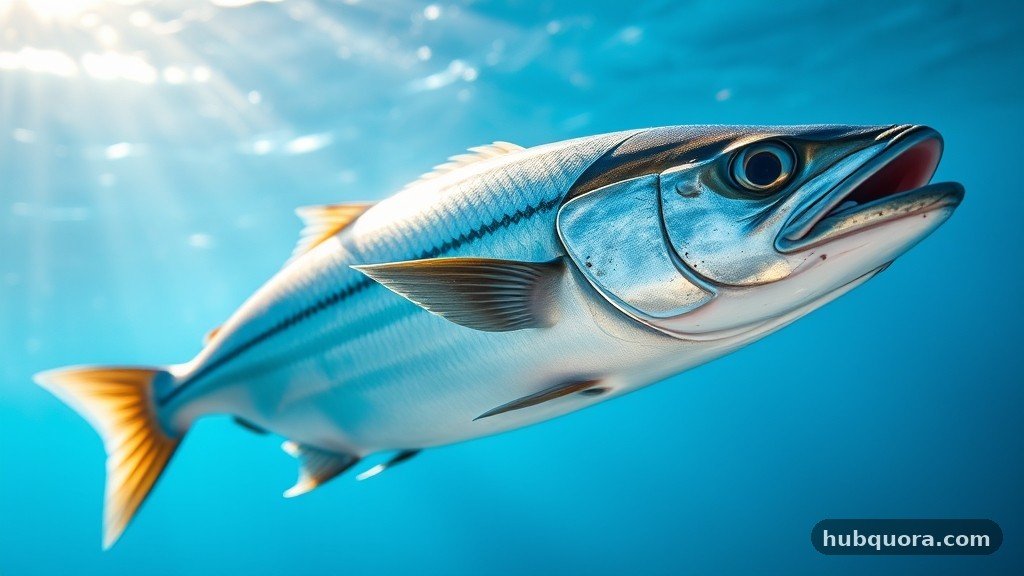
In the study of fish anatomy, a finlet is defined as a small, ray-like fin that is physically separated from the primary dorsal or anal fins. These structures are not merely decorative; they serve a specific hydrodynamic purpose for high-speed predators.
When you observe a mackerel or a tuna, the finlets are the most obvious indicators of their evolutionary design for sustained, rapid swimming. They are located on the caudal peduncle, which is the narrow section of the body that connects the main trunk of the fish to the tail.
The presence of these appendages is a key diagnostic feature for many species. Because they are detached from the main fin, they function like stabilizers or vortex generators. By reducing turbulence around the tail during high-speed movement, they allow the fish to maintain efficiency in the water column.
In scientific literature, you will often find them described as being situated between the last dorsal or anal fin and the caudal fin. This specific positioning is critical for the fish’s ability to navigate drag.
Evolutionary Advantages of Detached Fins
Why would a fish evolve to have smaller, separated fins rather than one large, continuous membrane? The answer lies in the physics of fluid dynamics. A large, continuous fin can be prone to tearing or excessive drag when a fish is swimming at speeds exceeding thirty miles per hour.
By breaking the surface area into smaller, reinforced units, the fish gains structural integrity. Each finlet is supported by a series of bony rays, making them rigid and capable of withstanding the immense pressure of water flowing over the body.
These structures are particularly prominent in the Scombridae family, which includes mackerels, tunas, and bonitos. These fishes are known for their incredible endurance and speed. The finlets act much like the winglets on an airplane, helping to smooth out the flow of water around the rear of the body.
This reduces the wake, allowing the predator to glide through the ocean with minimal energy expenditure. Over millions of years, this trait has been perfected through natural selection, ensuring that the fastest hunters in the sea possess this unique anatomical signature.
Linguistic Roots and Etymology
The word finlet is a classic example of how English uses suffixes to modify the meaning of a base noun. The suffix “-let” is a diminutive, used to denote something small or a smaller version of the original entity.
In this case, “fin” plus “-let” literally translates to “a small fin.” This linguistic construction is common across many scientific fields, where researchers need to distinguish between a primary organ and its smaller, associated components.
Tracing the etymology of the word reveals a reliance on standard English morphological rules. It is not an arbitrary term plucked from thin air but a systematic descriptor. When you look at an unabridged dictionary, you will see that the entry for this word is consistently tied to biological taxonomy.
It serves as a sign of the precision required in scientific communication. By using such a specific term, biologists can communicate complex anatomical layouts without ambiguity, ensuring that the description of a specimen remains accurate across different languages and research groups.
Finlets in Taxonomic Classification
Taxonomists use the presence or absence of these features to categorize different fish groups. When identifying a specimen, a researcher will count the number of finlets present on both the dorsal and ventral sides of the caudal peduncle.
This count is often a defining characteristic that separates one species from a very similar-looking cousin. For instance, the number of finlets can be a deciding factor when distinguishing between different species of tuna that otherwise share similar physical traits.
This level of detail is vital for conservation efforts and commercial fishing regulations. If a fishery is targeting a specific species, the identification must be precise to ensure that endangered or protected fish are not accidentally harvested.
In this context, the term is far more than a mere curiosity; it is a tool for biological management. The ability to distinguish between a species with five finlets and one with seven can have significant implications for ecological surveys and the health of marine populations.
Comparing Anatomical Features
To better understand how these structures fit into the broader anatomy of a fish, it is helpful to look at how they relate to other fins. The following table provides a quick reference for the various types of fins and their general positions on the body of a typical pelagic fish.
| Fin Type | Primary Function | General Position |
|---|---|---|
| Dorsal Fin | Stability and turns | Top of the back |
| Caudal Fin | Propulsion | Tail section |
| Anal Fin | Balance | Bottom, near the tail |
| Finlet | Drag reduction | Between main fins and tail |
This comparison highlights that while most fins are used for active movement or balance, the finlet is primarily a passive hydrodynamic feature. It does not provide significant propulsion on its own. Instead, it works in tandem with the caudal fin to ensure that the energy generated by the main muscles is used as efficiently as possible.
Addressing Topical Gaps and Misconceptions
A common area of confusion is whether all fish possess these appendages. Many people assume that if a fish has fins, it must have finlets, but this is a significant misunderstanding. Most common fish, such as goldfish or bass, do not have them.
They are exclusive to specific groups of high-performance swimmers. Another gap in public knowledge is the distinction between a true finlet and a damaged or torn fin. A finlet is a naturally occurring, anatomical feature, whereas a ragged fin is the result of injury or disease.
What determines if a structure is a true finlet?
A true finlet is always located on the caudal peduncle, specifically in the space between the last dorsal or anal fin and the caudal fin. It is structurally distinct, meaning it has its own set of rays and a separate base. If a structure is attached to the main fin membrane, it is simply a part of that fin, not a finlet.
Are there non-biological uses for the word?
While the term is almost exclusively used in biology, you might occasionally see it in technical design or engineering to describe small, fin-like stabilizers on submersibles or high-speed aquatic drones. However, these are borrowed terms rather than original meanings.
The Role of Finlets in Hydrodynamics
The study of how these structures influence water flow is a fascinating intersection of biology and engineering. Scientists often create computer models of fish bodies to simulate how water moves around the caudal peduncle.
These simulations have shown that the presence of these small appendages creates a series of mini-vortices. These vortices effectively “grease” the water, reducing the friction that would otherwise occur at high speeds.
This research has even inspired engineers to look at biomimicry. When designing high-speed marine vehicles, researchers have experimented with adding artificial finlets to the rear of the hull.
While it is difficult to replicate the flexibility and sensitivity of biological tissue, the concept remains a viable avenue for improving the fuel efficiency of underwater transport. By mimicking the designs found in nature, we can potentially lower the energy consumption of our own aquatic technologies.
Common Questions About Finlet Meaning
Is the term finlet used in common slang?
No, the term is not a recognized piece of slang. It is a technical, scientific noun used almost exclusively within the fields of marine biology and ichthyology. If you encounter it in a casual conversation, the speaker is likely referring to the anatomical feature of a fish.
How do I identify a finlet on a fish?
Look at the area between the end of the dorsal or anal fin and the tail. If you see several small, triangular, or diamond-shaped fins that are completely detached from the larger fins, those are the finlets. They usually appear in a series rather than as a single unit.
Do all tuna species have the same number of finlets?
No, the number of finlets is often a species-specific trait. For example, different tuna species have varying counts of dorsal and anal finlets. This count is a primary identifier used by scientists when they are performing field surveys or identifying specimens in a laboratory setting.
Is there an official scientific standard for this term?
Yes, the term is standardized within biological taxonomies and is documented in major scientific dictionaries. It is recognized globally by the international scientific community as the correct descriptor for these specific anatomical structures, ensuring that researchers everywhere are speaking the same language.
The Cultural Significance of Fish Anatomy
While it might seem like a dry, academic topic, the anatomy of fish has been a subject of human curiosity for millennia. From the ancient Mediterranean cultures that relied on tuna fishing to modern marine scientists, our understanding of these creatures has evolved alongside our technology.
The finlet, as a marker of the most advanced swimmers in the ocean, represents the pinnacle of aquatic evolution. It serves as a reminder of how refined natural design can be.
When you look at a scientific illustration of a mackerel, the inclusion of these small details is what elevates the drawing from a simple sketch to a technical reference. These illustrations are often found in the global database of fish species, which acts as a primary source for researchers worldwide.
By documenting these features, we preserve the knowledge of how different species have adapted to their environments. This documentation is essential for maintaining a historical record of biodiversity, especially as ocean temperatures change and species distributions shift.
Future Directions in Ichthyological Research
As we look toward the future, the study of fish anatomy will continue to benefit from new imaging technologies. High-speed cameras and advanced scanning techniques allow us to see how finlets move in real-time during a predator’s strike.
We are no longer limited to observing static specimens in a jar; we can now observe the dynamic behavior of these structures in their natural habitat. This level of insight is helping us understand not just the “what” of anatomy, but the “how” of functionality.
Furthermore, the integration of genetics into morphology means that we are beginning to understand the developmental pathways that lead to the formation of these structures. Researchers are investigating which genes are responsible for the development of the caudal peduncle and the subsequent formation of finlets. This research could eventually reveal how these traits evolved from ancestors that did not possess them, providing a clearer picture of the evolutionary history of ray-finned fishes.
Final Thoughts on Anatomical Precision
The finlet meaning is deeply rooted in the necessity of precision. Whether it is an ichthyologist counting rays to identify a rare species or an engineer seeking inspiration for a more efficient propeller, the term represents a bridge between the natural world and human observation.
It is a perfect example of how language adapts to describe the specific nuances of our environment. By focusing on the small, detached details, we often gain a much larger understanding of the whole system.
Understanding these biological structures allows us to appreciate the complexity of the ocean’s ecosystems. Each finlet plays a part in the survival of the species, contributing to the incredible speed and agility that define the apex predators of the sea. As you continue to explore the natural world, keep an eye out for these small, often overlooked features.
They are the keys to understanding how life has solved the problem of moving through the water with unmatched efficiency. If you find yourself curious about other specialized biological terms, feel free to dive deeper into the fascinating world of comparative anatomy.

James Wilson is the founder and lead editor of HubQuora.com, where he covers the latest celebrity news, entertainment trends, viral gossip, and net worth stories. With a passion for pop culture and digital media, James delivers engaging, accurate, and up-to-date content that keeps readers informed about the world of celebrities, influencers, and entertainment industry buzz.