
The pollock meaning is multifaceted, shifting significantly depending on whether you are discussing marine biology, culinary traditions, or linguistic history. At its most basic level, the term refers to a specific type of white fish found in the cold waters of the North Atlantic, but the word carries a distinct weight in social and etymological contexts. Understanding what the name represents requires looking at the intersection of natural history and the evolution of the English language.
Biological Classification and the North Atlantic Ecosystem
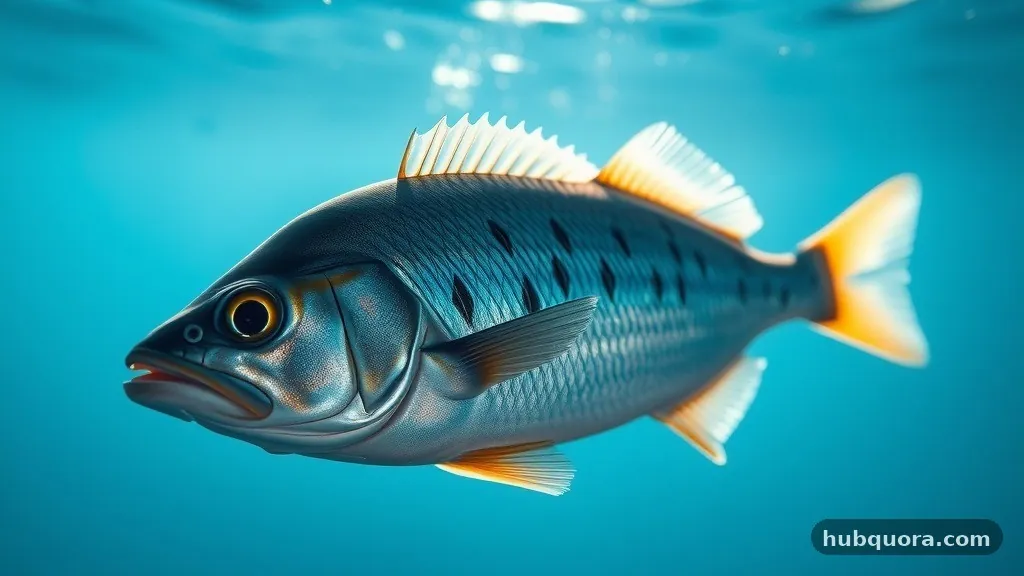
In the realm of marine biology, the term pollock refers to two distinct species within the family Gadidae. These are the Atlantic pollock (Pollachius virens) and the Alaska pollock (Gadus chalcogrammus).
While they share a common name and a general appearance, they occupy different niches in the northern hemisphere. The Atlantic variety is a highly active predator, often found in rocky, deep-water environments, whereas the Alaska pollock is a schooling fish that thrives in the frigid waters of the Pacific.
These fish are members of the cod family, a group that has historically been the backbone of commercial fishing industries. The systematic classification of these animals helps researchers track migration patterns and population health. Because they are cold-water species, they are sensitive to changes in sea temperatures.
As the climate shifts, the habitats of these fish move further north, which impacts the livelihoods of the people who rely on them for food and income. This biological reality makes the fish an important indicator species for environmental scientists.
Culinary Significance and Food Industry Usage
When you encounter the word in a grocery store or a restaurant, the pollock meaning is almost exclusively tied to food. It is a versatile, mild-flavored white fish that has become a staple in modern diets, often serving as a sustainable alternative to cod or haddock. Because of its firm texture and ability to absorb flavors, it is frequently used in processed seafood products.
One of the most common applications of this fish is in the production of surimi, which is the base for imitation crab meat. If you have ever eaten a California roll or a seafood salad, there is a high probability that you have consumed this species.
Its neutral profile makes it an ideal canvas for culinary creativity, allowing chefs to use it in everything from fish tacos to delicate pan-seared fillets. Because it is caught in large volumes, it remains one of the most cost-effective sources of lean protein available to consumers today.
Linguistic Origins and Etymological Roots
Tracing the etymology of the word provides a fascinating look at how common nouns evolve over time. The term is thought to derive from the Middle English word for a young fish, or potentially from the Irish word pollach, which relates to a hole or a pool—a nod to the environments where these fish were traditionally caught. The evolution of the word highlights how regional dialects often inform the naming of natural resources.
Dictionaries, such as those published by major houses, often trace the term through various spellings. In older texts, you might see variations that reflect the phonetic shifts of the Middle Ages.
The transition from a descriptive term for a small fish to a specific common name for a species shows the human need for systematic categorization. By defining the term, linguists are essentially mapping the history of maritime trade and the spread of English across the Atlantic.
The Confusion with Similar Terms

One of the most common issues people face is distinguishing between the fish and similar-sounding ethnic slurs. It is crucial to note that the term for the fish is entirely distinct from derogatory terms used to describe people of Polish descent. The latter is a corruption of the ethnonym Pole, whereas the fish name has its roots in Old English and Celtic terminology.
This is a classic case of linguistic coincidence, where two entirely unrelated words have converged toward a similar sound. When looking for the definition in a reputable source like the Dictionary.com Unabridged, the entries are strictly categorized to avoid any ambiguity.
Understanding this distinction is vital for clear communication, as the two terms occupy completely different spaces in our cultural lexicon. Using the word correctly requires an awareness of these social implications to ensure that your intent is never misunderstood.
Systematic Categorization in Dictionaries
Lexicographers spend significant time documenting how words like pollock are used in print and speech. When a word is labeled as a noun, it carries a specific set of grammatical rules.
In the dictionary, you will find it listed as a common noun, usually referring to the fish or the food product derived from it. These definitions are often based on extensive research into usage patterns over time.
Many dictionaries rely on the work of scholars who track the first known uses of a term in literature and official records. By examining how the word has appeared in print over the last several centuries, they build a comprehensive picture of its meaning.
This process is not static; as language changes, the definitions are updated to reflect current usage. This ensures that the information remains accurate for modern readers while preserving the historical context of the word.
Geographic Distribution and Fishing Grounds
The distribution of these fish is heavily concentrated in the northern latitudes. The North Atlantic is the primary habitat for the Atlantic species, which is found from the coast of North America all the way to the waters around Scandinavia. This geographic reach has made the fish a shared resource among many nations, leading to complex international fishing agreements.
Environmental factors play a massive role in where these populations thrive. They prefer temperatures that allow for high levels of oxygenation, which is why they are rarely found in warmer, shallower seas.
Understanding the physical geography of their habitat explains why certain regions have developed such a strong cultural connection to the species. For communities in places like Nova Scotia or the coast of Norway, the fish is not just a commodity; it is a part of their local identity and historical heritage.
Economic Impact and Global Trade

The global trade of white fish is a multi-billion dollar industry, and this species is a major player. Because it is highly abundant compared to other, more overfished species, it has become a central component of global food security. The economic meaning of the word has shifted from being a local catch to a global commodity that is shipped frozen to markets across the world.
| Species Type | Primary Region | Common Culinary Use |
|---|---|---|
| Atlantic Pollock | North Atlantic | Fresh fillets, fish cakes |
| Alaska Pollock | North Pacific | Surimi, fish sticks |
This table illustrates the split between the two main types of the fish. As you can see, while they are biologically related, their roles in the supply chain differ slightly based on the market demand and the regional processing capabilities of the countries where they are landed. This economic reality drives the modern perception of the fish as a reliable, consistent, and affordable food source.
Cultural Perceptions and Misconceptions
There is a long-standing debate about the prestige of various fish in the culinary world. While salmon or halibut might be seen as luxury items, this fish is often viewed as a working-class food.
This perception is not necessarily a reflection of quality, but rather of availability and price point. In many cultures, the ability to turn a humble, abundant ingredient into a delicious meal is a sign of culinary skill.
The misconception that the fish is of lower quality is rapidly fading as more people focus on the sustainability of their food choices. Because it is well-managed in most commercial fisheries, it is considered a responsible choice for eco-conscious consumers.
This shift in perception is an example of how our values change the meaning of the words we use to describe our world. What was once just a cheap filler is now seen as a smart, environmentally friendly protein.
Addressing Topical Gaps: The Taxonomic Complexity
A common gap in existing content is the confusion regarding the genus name. While the common name is straightforward, the scientific classification involves a bit more nuance.
Specifically, the genus Pollachius is distinct from Gadus, yet they are often grouped together in the public imagination. Addressing this technicality is important because it explains why some scientists argue that the “true” version of the fish should be limited to the Atlantic variety.
Furthermore, the impact of the “pollock meaning” in historical literature is often overlooked. In older novels or maritime logs, the term might be used to describe a specific type of catch that is no longer as common in those waters due to overfishing or environmental changes.
By linking the biological reality to historical records, we get a much clearer picture of how our environment has transformed over the last century. This interdisciplinary approach is necessary for a complete understanding of the topic.
The Role of Sustainable Fishing Practices
Sustainability is perhaps the most important aspect of the modern discourse surrounding this fish. Because it is caught in such large quantities, the methods used to harvest it are under constant scrutiny. Responsible management involves setting quotas and using gear that minimizes bycatch, which is the accidental capture of other marine life.
These practices ensure that the population remains stable for future generations. When you buy this fish, looking for certification labels from organizations that oversee sustainable seafood can help you make an informed decision.
This is a clear example of how the meaning of a term can expand to include ethical and environmental implications. It is no longer just about the fish itself, but about the systems of stewardship that surround it.
- Check for MSC or equivalent sustainability certifications on packaging.
- Research the specific region where the fish was caught to ensure compliance with local regulations.
- Opt for frozen products that are processed at sea to maintain higher quality.
- Consider the carbon footprint of shipping, favoring locally sourced fish when possible.
- Educate others about the difference between this sustainable species and endangered white fish stocks.
These steps highlight the practical application of knowledge. By understanding not just what the word means, but the context in which the entity exists, you become a more informed participant in the global food system. This level of engagement is what transforms a simple definition into a broader understanding of our impact on the natural world.
FAQ
What is the primary difference between Atlantic and Alaska pollock?
The main difference lies in their habitat and scientific classification. Atlantic pollock belongs to the genus Pollachius and prefers the colder, deeper waters of the North Atlantic, while Alaska pollock belongs to the genus Gadus and is primarily found in the North Pacific.
Is the term pollock related to a nationality?
No, the term for the fish is completely unrelated to any nationality. The confusion often arises from the phonetic similarity to a slur used against Polish people. These two terms share no linguistic roots and occupy distinct, unrelated categories in the English language.
Why is pollock considered a sustainable seafood choice?
It is considered sustainable because the fisheries are generally well-managed with strict quotas that prevent overfishing. Additionally, the species reproduces quickly and is highly abundant, making it a reliable and environmentally sound alternative to more threatened white fish populations like Atlantic cod.
What does it mean if a product contains pollock?
If a product lists this fish as an ingredient, it means the item contains a lean, mild-flavored white fish. It is frequently used as a cost-effective base for processed seafood products like imitation crab, fish sticks, and breaded fillets due to its firm texture and versatility.

James Wilson is the founder and lead editor of HubQuora.com, where he covers the latest celebrity news, entertainment trends, viral gossip, and net worth stories. With a passion for pop culture and digital media, James delivers engaging, accurate, and up-to-date content that keeps readers informed about the world of celebrities, influencers, and entertainment industry buzz.