If you have ever found yourself wondering about the razzmatazz meaning, you are certainly not alone. It is one of those vibrant, slightly mysterious terms that pops up in conversation when someone wants to describe a display that is flashy, energetic, or perhaps just a little bit over the top.
While it might sound like a word invented on a whim, it carries a legitimate history rooted in the way we use language to convey excitement and spectacle. By exploring its etymology and common usage, you will gain a clearer picture of why this delightful word has stuck around for so long in our collective vocabulary.
The Etymological Roots of Razzmatazz
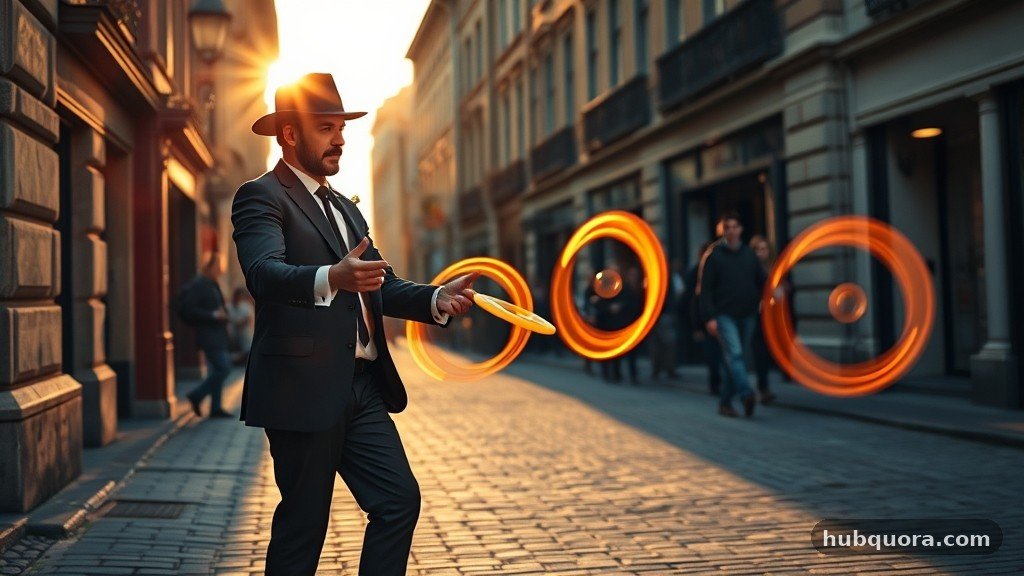
When we look at the origins of the term, we find ourselves in the early 20th century, a time characterized by rapid cultural shifts and the birth of modern slang. The word likely emerged from a blend of existing terms, including “razzle-dazzle,” which itself was a popular way to describe a chaotic or confusing yet impressive display. Many linguistic experts suggest that the term evolved to emphasize the performative nature of an event or personality.
It is a word that feels like it sounds—bouncy, rhythmic, and full of life. It does not just describe an object; it describes an experience. When someone brings the razzmatazz, they are adding a layer of style that goes beyond the functional.
Whether it refers to a stage performance or a marketing campaign, the core of the term remains linked to this idea of high-energy presentation. It is not necessarily about substance, but rather the flair used to present that substance to an audience.
Razzmatazz as a Tool of Deception
Historically, the phrase was often used in contexts where someone was trying to confuse or distract an audience. This is where the idea of a “complex play intended to confuse” comes into focus.
In the world of sports, for example, a coach might use a trick play that involves a lot of motion and misdirection to “dazzle an opponent.” By creating a whirlwind of activity, the performer or athlete hides their true intent, making it difficult for the observer to track the actual goal.
This usage highlights the double-edged nature of the word. On one hand, it is seen as exciting and impressive. On the other, it implies a certain level of artifice.
It is the difference between a genuine talent and a showman who knows how to use smoke and mirrors to keep the crowd guessing. Understanding this nuance is key to mastering the razzmatazz meaning in various social and professional settings.
Cultural Evolution and Modern Usage
Over the decades, the word has migrated from niche slang into the broader lexicon, appearing in everything from jazz music to modern advertising. It is no longer just about deception; it has become a shorthand for “exciting, complex” entertainment.
If a show has a lot of “razzmatazz,” it means it is visually busy and emotionally stimulating. It is the glitter on the cake, the extra lights on the marquee, and the high-energy delivery of a speaker who knows how to hold a room.
You will often see it used in journalism or reviews to describe events that prioritize style over substance. For instance, a movie might be criticized for having plenty of visual effects but lacking a coherent plot, with critics noting that the film relied too heavily on its own internal razzmatazz to keep viewers engaged. It has become a standard descriptor for anything that aims to impress through sheer force of energy.
Comparing Variations and Spellings
One interesting aspect of this term is the variety of ways it is spelled. You might encounter “razzmatazz,” “razzamatazz,” or even “razmataz” in different texts. While the double-z version is perhaps the most common in standard American English, the variations exist because the word was primarily oral for many years before it was codified in an English dictionary.
Common Spelling Variations
- Razzmatazz: The most standard and widely recognized form.
- Razzamatazz: An alternative spelling often found in older literature.
- Razmataz: A simplified version that leans into the phonetic sound.
- Razzle-dazzle: A related term that shares the same spirit and energy.
These variations do not change the underlying meaning, but they do demonstrate how fluid language can be. When you are writing, sticking to the most common spelling is usually the safest bet, but being aware of these alternatives helps you recognize the word in different regional contexts or older printed materials.
The Role of Performance and Showmanship
In the realm of theater and music, the concept of razzmatazz is almost a requirement for success. Think of a big Broadway production or a high-energy rock concert. The audience expects a “series” of stunning visuals and fast-paced movements.
This is not accidental; it is a calculated effort to create an atmosphere that feels larger than life. The performer uses their presence to bridge the gap between the stage and the seats.
When a performance is described as having “really” great razzmatazz, it means the elements of light, sound, and movement were perfectly synchronized to create a sense of wonder. It is about the “play” of the production. It doesn’t matter if the technical skill is modest; if the delivery is electric enough, the audience will walk away feeling like they saw something truly special.
Razzmatazz in Marketing and Business
Businesses often borrow this concept to capture consumer attention. A product launch that features bright colors, loud music, and a charismatic presenter is using a classic form of business razzmatazz.
The goal is to create an immediate, visceral reaction that bypasses the customer’s critical thinking. By the time the customer stops to analyze the product, they are already hooked by the initial presentation.
Comparison of Marketing Approaches
| Approach | Key Focus | Intended Outcome |
|---|---|---|
| Data-Driven | Facts, stats, and utility | Logical decision making |
| Razzmatazz | Flair, energy, and spectacle | Emotional engagement |
| Minimalist | Simplicity and clarity | Brand trust |
As shown in the table above, the razzmatazz approach is distinctly different from a data-driven or minimalist strategy. It is not concerned with explaining the “log” of features but rather with making the consumer feel excited about the brand identity itself. It is a high-risk, high-reward strategy that works best when the product can actually back up the initial hype.
Topical Gaps: Is it Always Negative?
A common question is whether the term carries a negative connotation. While it can imply a lack of substance, it is frequently used in a neutral or even positive way. In many cases, it is simply a way to acknowledge the effort required to make something entertaining.
If you are planning a party, you might want to add some razzmatazz to the décor to make it feel festive. In this context, it is clearly a positive addition to the event.
The negativity only arises when it is used as a substitute for quality. If a politician uses a lot of rhetoric to distract from a lack of policy, the term is used as a critique of their dishonesty.
Therefore, the “meaning” is heavily dependent on the context of the sentence. It is a tool, and like any tool, its value depends on how it is being used by the person speaking.
The Linguistic Connection to Razzle-Dazzle
It is impossible to discuss this topic without addressing the connection to “razzle-dazzle.” Many linguists believe the two terms share a common lineage.
Both words utilize repetitive, rhythmic sounds to mimic the chaotic energy they describe. While “razzle-dazzle” feels a bit more tied to carnival barkers and street-level hucksters, “razzmatazz” feels a bit more like a description of a full-scale production.
This relationship is part of a larger family of English words that rely on reduplication and playful phonetics. We see this in words like “hocus-pocus” or “mumbo-jumbo.”
These words are designed to be fun to say, which helps them survive in the language. They stick in the mind because they have a certain musicality that more formal words lack, making them perfect for describing things that are meant to be seen and heard rather than read.
Razzmatazz in Popular Culture and Music
The word has appeared in song lyrics and album titles, often used to evoke a sense of nostalgia or show-business irony. When a band names an “album” after the term, they are usually signaling that their music is meant to be a spectacle. It is a nod to the history of entertainment where the line between the truth and the performance was always a little bit blurry.
Because the word is so evocative, it is frequently used in creative writing to set a tone. If a character is described as having “a bit of the old razzmatazz,” we instantly understand that they are charismatic, perhaps a bit of a trickster, and definitely someone who knows how to work a room. It is a shorthand for personality that would otherwise take several sentences to describe.
Using the Word in Daily Conversation
If you want to incorporate this word into your own speech, it is best to use it when describing something that is intentionally flashy or energetic. You might say, “The parade was full of razzmatazz, with marching bands and colorful floats everywhere.” It is a versatile word that works well in informal settings where you want to emphasize the excitement of an event.
However, be careful not to overdo it. Because the word is so colorful, it can draw attention to itself if used too frequently.
It is best saved for moments when you really want to highlight the “show” aspect of an experience. By using it sparingly, you keep its impact strong and ensure that your listeners understand exactly what you mean when you describe something as having that extra bit of flair.
FAQ Section
What does razzmatazz mean in slang?
In slang, it refers to a flashy, energetic, or showy display intended to impress or distract. It describes an atmosphere of excitement and spectacle, often suggesting that there is more emphasis on the presentation and style of an event than on its underlying substance or truth.
What is a synonym for razzmatazz?
Common synonyms include razzle-dazzle, showmanship, flair, panache, ballyhoo, and ostentation. Depending on the context, you might also use terms like spectacle, hoopla, or glitz. Each of these carries a similar connotation of high energy, visual interest, and a focus on capturing the audience’s attention.
How do you use razzmatazz in a sentence?
You can use it to describe an event or a person’s behavior. For example: “The magician added a lot of razzmatazz to his performance, using bright lights and loud music to keep the audience from noticing how the card trick was actually done.”
Is razzmatazz considered a real word?
Yes, it is a recognized word in the English language. While it originated as informal slang, it has been included in major dictionaries for decades. It is widely accepted as a descriptive noun that captures the concept of energetic, flashy, and sometimes deceptive showmanship.
Refining Your Understanding
At its heart, the razzmatazz meaning is about the intersection of performance and perception. It is a word that acknowledges our human love for spectacle, even when we suspect that the display might be hiding something. Whether you are analyzing a theatrical production, describing a high-energy marketing campaign, or simply enjoying the rhythmic sound of the word itself, it serves as a perfect label for the “glitz” that makes life feel a little more interesting.
As you move forward, keep an eye out for how this term appears in your daily life. You might find it used in news reports, entertainment reviews, or even in casual conversation among friends.
Each instance offers a new way to see how language shapes our reality. If you have any thoughts on how you’ve seen this word used in your own experiences, feel free to share your observations and keep the conversation going.

James Wilson is the founder and lead editor of HubQuora.com, where he covers the latest celebrity news, entertainment trends, viral gossip, and net worth stories. With a passion for pop culture and digital media, James delivers engaging, accurate, and up-to-date content that keeps readers informed about the world of celebrities, influencers, and entertainment industry buzz.