
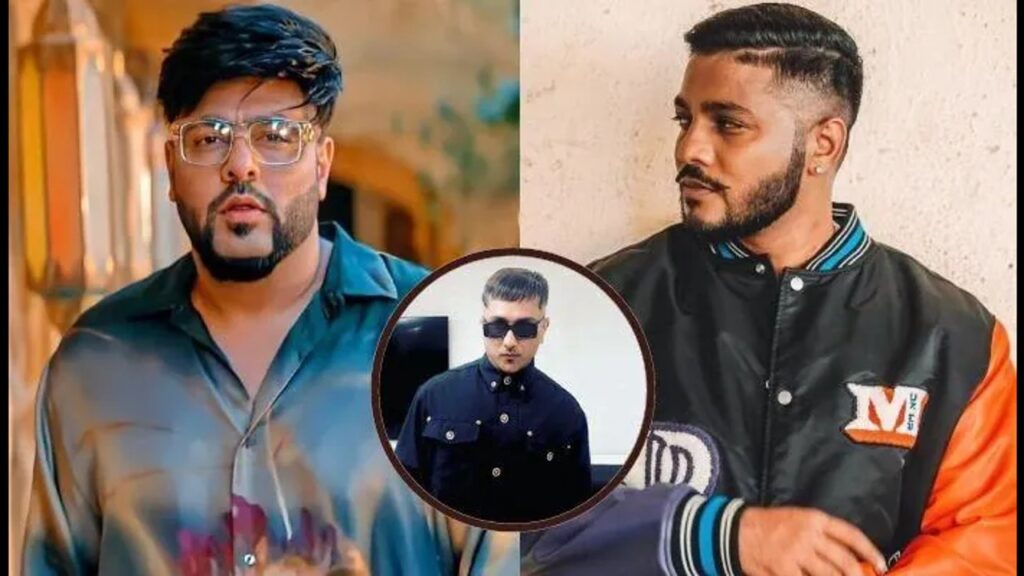
Debates about the richest rapper in India usually focus on names such as Yo Yo Honey Singh, Badshah, Divine, Raftaar and Emiway Bantai. Yet there is no single official ranking because celebrity wealth includes private investments, property, business income, royalties and endorsement contracts that are rarely disclosed in full.
A public estimate can therefore differ widely from one source to another. The most useful way to assess the question is to examine music revenue, Bollywood work, touring, YouTube performance, brand partnerships and business activity together rather than treating one reported number as fact.
That broader view also explains why the answer can change over time. A rapper may earn heavily from a hit song, a major tour or a high-value brand deal in one year, while another artist may have stronger long-term catalogue income. The result is a more realistic picture of who stands among India’s wealthiest rap artists and why.
Who Is the Richest Rapper in India?
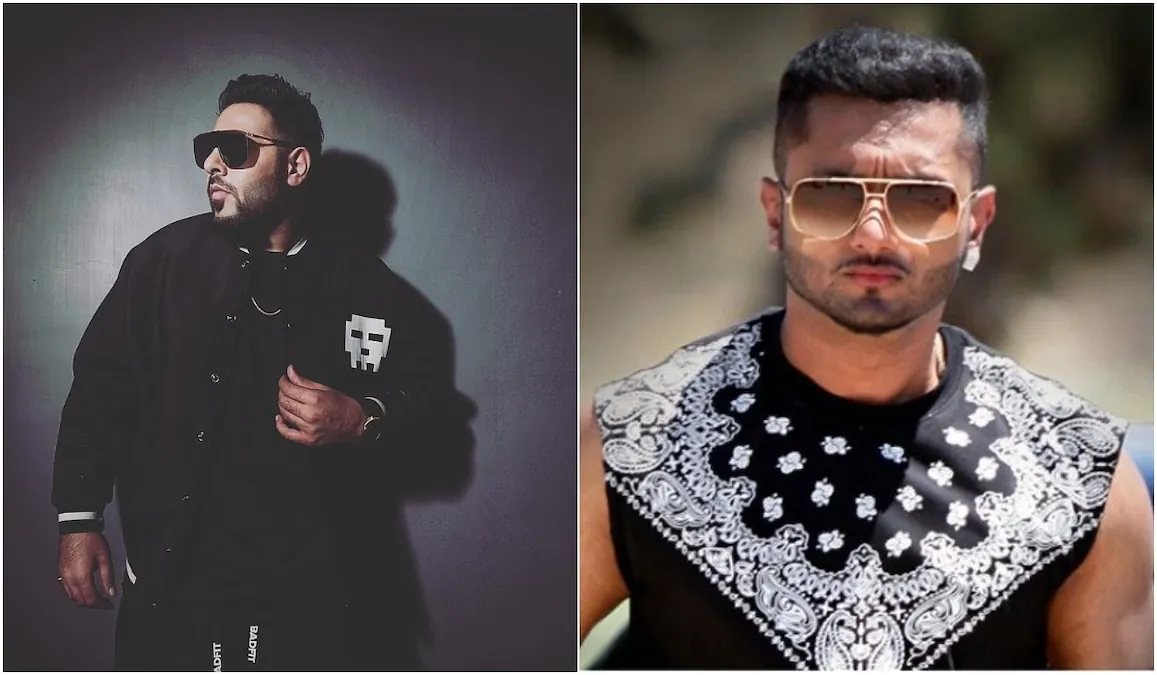
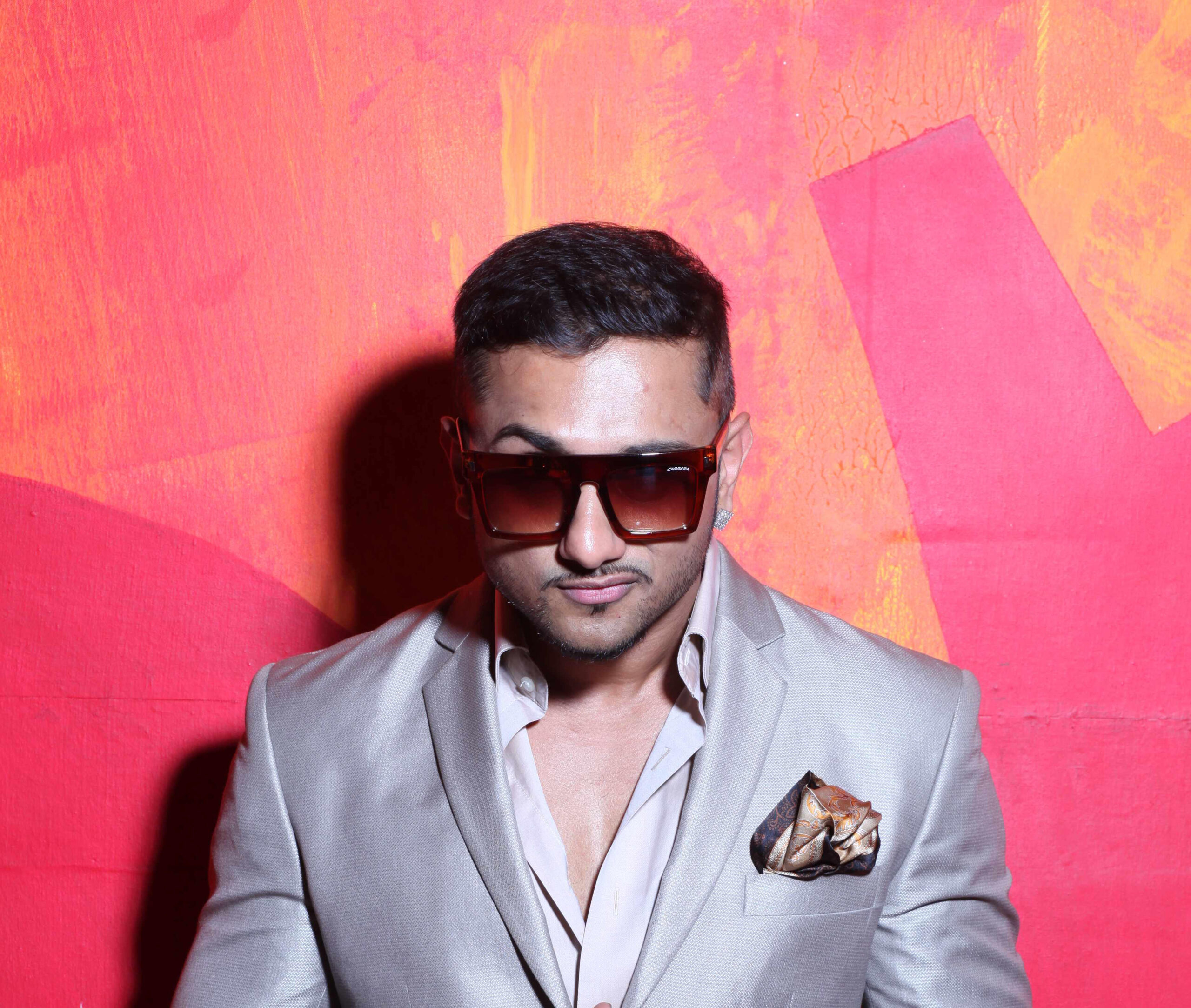
Yo Yo Honey Singh is often named as one of the strongest contenders for India’s richest rapper, while Badshah is frequently placed close to him. However, neither position should be presented as an independently verified fact unless the artist or a reliable financial filing confirms the figure. Public net-worth numbers are generally estimates based on visible career activity, reported fees, properties, endorsements and commercial success.
Honey Singh built exceptional financial influence through music production, playback work, rap songs, live appearances and Bollywood soundtracks. His early crossover success helped bring rap music into mainstream Hindi entertainment on a much larger scale. Songs associated with his production and performance style became highly visible across films, clubs, radio, television and online platforms, creating more than one income stream.
Badshah has also developed a substantial commercial profile. He has released popular singles, worked on film music, performed at large events and represented major brands. His accessible Hindi-pop rap style made him attractive to advertisers seeking a recognisable star with reach beyond the traditional hip-hop audience.
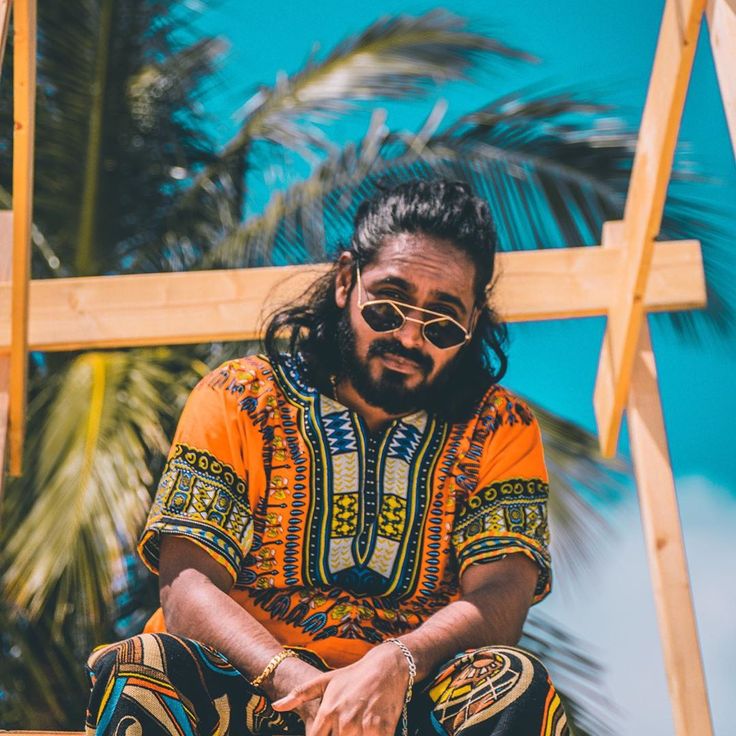
Other artists may be wealthy without receiving the same attention in online rankings. Divine and Raftaar, for example, have built respected careers through recordings, collaborations, touring and creative ventures. Emiway Bantai has shown how an independent artist can use YouTube and direct audience engagement to build a major business without depending entirely on a traditional label.
The most accurate answer is therefore conditional: Honey Singh and Badshah are commonly discussed as leading candidates, but a definitive winner cannot be established from unverified internet estimates alone. Readers should treat phrases such as “worth approximately” as indicators of public perception, not audited financial statements.
Why Celebrity Net Worth Figures Are Difficult to Verify
Celebrity net worth means the estimated value of a person’s assets minus liabilities. It is not the same as annual income, a performance fee or the amount an artist has earned from one song. A rapper may generate significant gross revenue while retaining much less after taxes, management commissions, production costs, label arrangements, travel expenses and business overhead.
Most artists do not publish complete balance sheets. Their earnings may come from several private agreements, including streaming royalties, publishing rights, live performances, film contracts, sponsorships, merchandise, investments and ownership stakes. A website may combine visible career information with assumptions about these categories and produce a number that looks precise even when the underlying evidence is limited.
The word “net” creates another complication. A performer who owns a large home may have substantial assets but also a mortgage or other financial obligations.
Similarly, a luxury vehicle can increase visible wealth but may not contribute meaningfully to long-term net worth. Public images show consumption, not the complete financial position.
Reliable evaluation requires separating confirmed information from inference. A reported brand endorsement can demonstrate commercial demand, but it does not reveal the artist’s exact fee.
A YouTube channel can show audience scale and advertising activity, but view counts do not automatically translate into a fixed personal payment. Streaming services, distributors, labels and rights holders may all receive portions of the revenue.
For that reason, responsible rankings should use cautious language. “Among the richest Indian rappers” is usually more defensible than declaring one artist the undisputed richest. Readers can also consult official corporate or market information where relevant, such as the Indian Intellectual Property India website for general information about intellectual property administration, although such resources will not reveal a performer’s private wealth.
How Rappers in India Build Their Wealth
Successful rappers rarely rely on one payment source. Their financial growth usually develops through a combination of music rights, performance income, media work and commercial partnerships. The strongest careers turn artistic visibility into several durable revenue channels, reducing dependence on the success of a single release.
Recorded music remains the foundation. An artist can receive income from master recordings, publishing, composition credits, producer credits and licensing.
The exact arrangement depends on contracts and ownership. An independent rapper who controls more of a recording may retain a greater share of future revenue, while a label-backed release may provide wider distribution but involve revenue-sharing terms.
Live performances can become especially important once a rapper has a recognisable name. Concerts, college festivals, private events, club appearances and international shows may each operate under different contracts. The headline fee is not the same as profit because artists must account for musicians, dancers, sound, travel, accommodation, crew and management.
Film and television work has helped several Indian rappers move into mainstream entertainment. A song in a successful film can improve exposure, lead to more bookings and introduce an artist to listeners who do not regularly follow rap music. Some rappers also appear as judges, hosts, actors or television personalities, expanding their commercial value.
Brand endorsements add another significant category. Clothing, beverages, technology, lifestyle products and financial services often seek artists who can connect with younger consumers. A rapper’s style, language and social media presence may be as valuable to a brand as the music itself.
Finally, business ventures can change the long-term picture. An artist may invest in a label, studio, clothing line, food venture, talent company or digital project.
These activities can create future value, but they can also involve risk. Revenue alone does not prove profitability, and a visible venture should not automatically be counted as personal wealth.
Honey Singh and Badshah: Comparing the Two Major Contenders
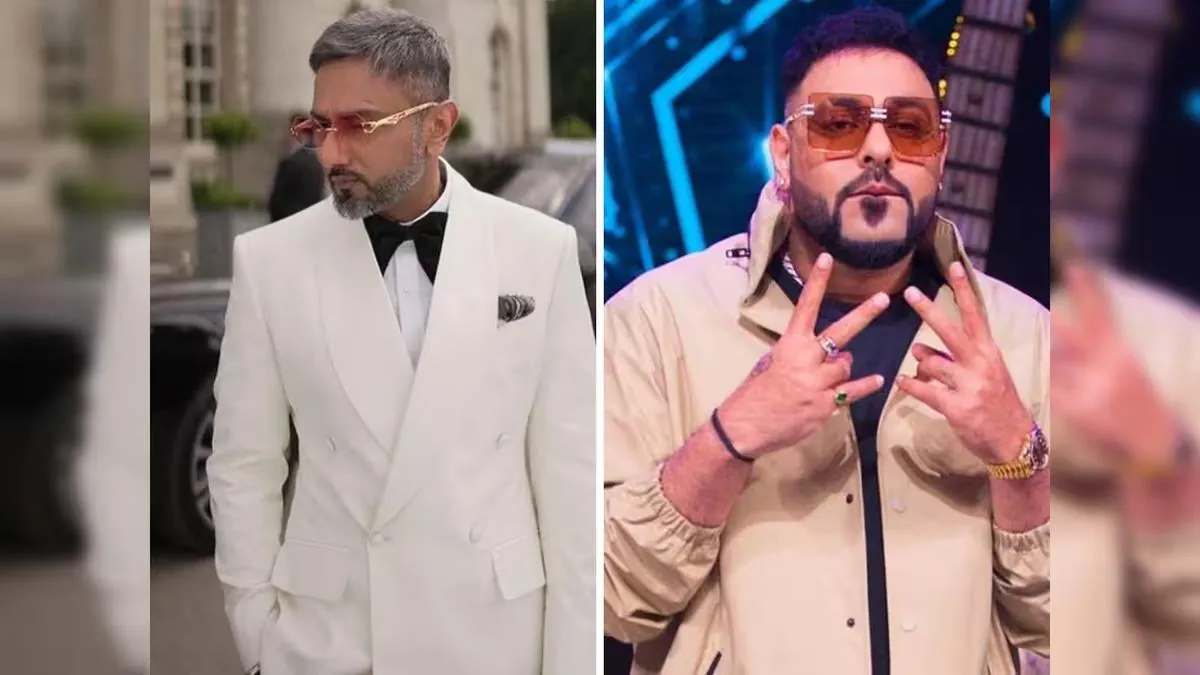
The comparison between Honey Singh and Badshah is popular because both artists achieved extraordinary mainstream reach, but their career paths are not identical. Honey Singh became known for production-led hits, rap-pop songs and a distinctive sound that influenced Hindi film music and commercial playlists. Badshah developed a strong identity through catchy hooks, collaborations and a polished approach designed for both music listeners and large-scale entertainment campaigns.
Honey Singh’s early success gave him a powerful catalogue and strong recognition across different age groups. His work connected rap with Bollywood, Punjabi music and electronic production.
That crossover created opportunities beyond conventional hip-hop stages, including film projects, playback work and major public appearances. Catalogue recognition can continue to generate value when older songs remain popular, licensed or performed.
Badshah has maintained a highly visible presence through frequent releases and collaborations. His ability to work with film composers, singers and regional artists has helped him reach several audience segments. His commercial style also fits advertising campaigns and event programming, where recognisability and broad appeal matter greatly.
Neither artist’s public image provides a complete financial comparison. One may have greater catalogue ownership, while the other may have more recent brand contracts or live bookings. A person may also define “richer” differently: total estimated net worth, annual earnings, liquid cash, property ownership, catalogue value or current market demand.
| Comparison area | Honey Singh | Badshah |
|---|---|---|
| Core public identity | Producer, rapper, composer and Bollywood crossover artist | Rapper, songwriter, performer and commercial music personality |
| Major strength | Influential catalogue and early mainstream rap visibility | Consistent releases, collaborations and broad brand appeal |
| Potential income sources | Music rights, films, shows, live events and endorsements | Music rights, concerts, film work, endorsements and appearances |
| Why estimates differ | Ownership, contract terms and private investments are not fully public | Fees, assets, liabilities and commercial agreements are not fully public |
The sensible conclusion is not that one name has definitively defeated the other. Both belong in any serious discussion of India’s richest rap artists, and their position can change as new releases, tours and business arrangements develop.
Other Wealthy and Influential Indian Rappers
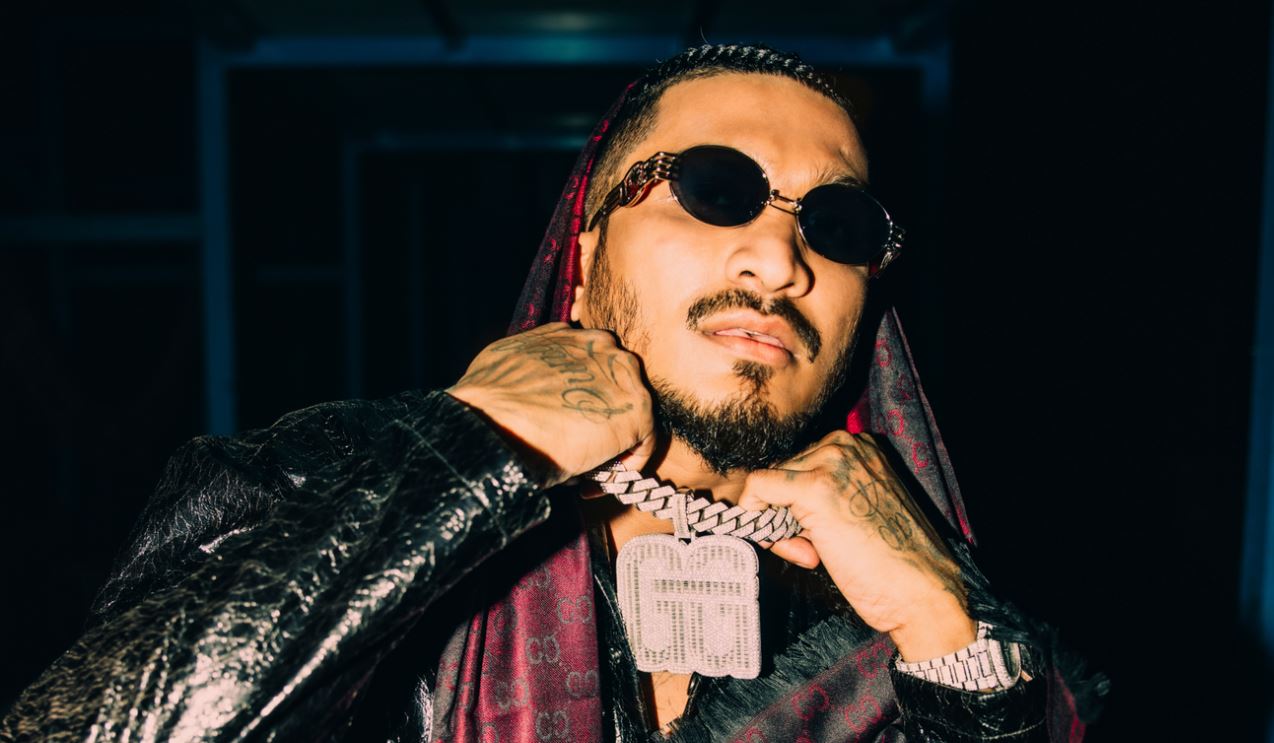
The search for the richest rapper in India can become too narrow when it focuses only on two mainstream names. India’s rap ecosystem includes independent artists, regional performers, underground pioneers and musicians who combine rap with film, Punjabi pop, electronic production or social commentary. Their business models and audiences can differ substantially.
Divine helped bring street-rooted Hindi rap into wider national and international attention. His music is associated with detailed storytelling, Mumbai hip-hop culture and collaborations that expanded his audience. Film connections and large live performances can add commercial value, but public estimates still cannot confirm his exact personal wealth.
Raftaar has built a career across performance, songwriting, television and collaborations. His technical ability and industry experience have allowed him to work in several formats. A versatile artist can earn from songwriting, appearances, judging, production and live work in addition to recorded music.
Emiway Bantai represents the power of independent digital distribution. YouTube helped him build a direct relationship with fans, release music quickly and maintain strong visibility without relying entirely on traditional gatekeepers. Direct audience access may improve control over timing and promotion, although production, distribution and platform costs still apply.
Other rappers, including regional-language artists and emerging female rappers, also deserve attention. A female rapper can face different industry barriers while creating a distinct commercial identity through music, fashion, collaborations and social media. Artists such as Raja Kumari have demonstrated how Indian and international influences can operate together in a global market.
Influence and wealth are related but not identical. An artist may have enormous cultural importance, a loyal fan base and high creative value without having the largest net worth. Conversely, a commercially successful performer may not be regarded as the most influential rapper by listeners or critics.
How YouTube, Streaming and Social Media Affect Earnings
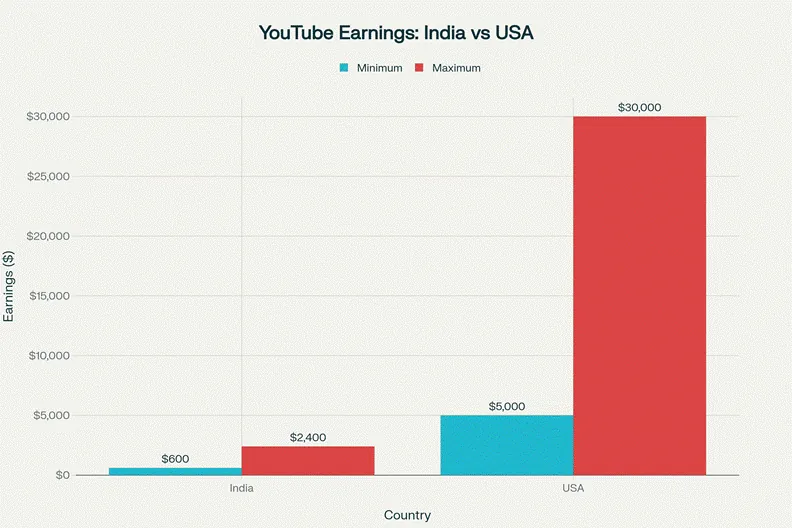
YouTube has changed how Indian rappers launch music, promote videos and communicate with fans. A successful channel can increase advertising opportunities, improve booking demand and make an artist more attractive to brands. It also lets musicians publish behind-the-scenes material, interviews, live sessions and short-form content that keeps attention between major releases.
However, views are not a direct measure of personal earnings. Advertising rates vary by geography, audience, content category, season and ad demand.
A video may involve a label, distributor, manager or rights administrator, and the artist may not receive the entire platform payment. Copyright claims can also redirect revenue to another rights holder.
Streaming platforms create a similarly complex picture. A stream may contribute to a rights pool rather than produce one universal fixed amount.
The final distribution depends on the platform, territory, subscription model, ownership, publishing rights and contractual splits. A song with many plays can still generate different outcomes for different artists.
Social media has value beyond direct platform revenue. Strong engagement can support ticket sales, sponsored posts, merchandise, collaborations and publicity. A rapper with a large, active audience may command a higher commercial fee than an artist with similar music consumption but weaker audience interaction.
These platforms also create costs. Professional video production, marketing, studio sessions, dancers, editors, publicists and digital promotion require investment. An aspiring artist may see a successful rapper’s huge online reach without seeing the money spent to produce and maintain that visibility.
- Audience reach: visibility can increase streams, bookings and endorsement interest.
- Rights ownership: control over masters and publishing affects how revenue is shared.
- Engagement quality: active fans may be more valuable than a large but passive follower count.
- Business costs: production, promotion and management reduce gross earnings.
Why Brand Endorsements and Live Shows Matter
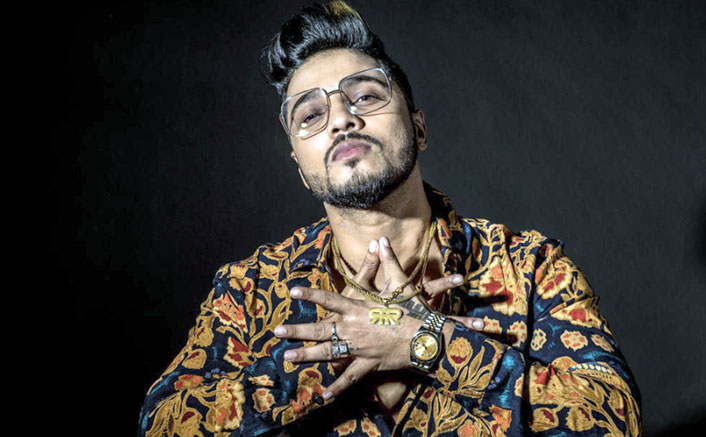
Music income is only one part of a rapper’s financial profile. Brand endorsements can provide substantial commercial opportunities because rappers often have a recognisable visual style, strong language-based identity and direct influence over youth culture. A campaign may involve social posts, event appearances, advertisements, product launches or a longer ambassador arrangement.
The artist’s public image affects the type of brand partnership available. A performer known for luxury, streetwear or a “bad boy” persona may appeal to different advertisers than an artist associated with family entertainment, fitness or technology. Brands also evaluate audience demographics, reputation, regional reach and the likelihood that fans will respond to the promotion.
Live shows provide another major opportunity. Concerts and festivals may pay a negotiated fee, while private events can operate under entirely different terms. A popular rapper may also earn through ticket participation, merchandise sales or a larger touring operation, although these structures vary by contract.
Live income carries significant expenses. A large show may require a band, DJs, dancers, rehearsals, transport, hotels, technical staff, security and production equipment.
International events may add visas, insurance and logistics. The gross amount associated with a performance should therefore never be treated as the artist’s final profit.
Collaborations can increase value in both areas. When two artists combine audiences, a song may gain more streams and a live performance may attract a larger crowd.
A collaboration can also introduce a rapper to a new region or language market. Still, the income is divided among participants, and commercial success does not guarantee equal compensation.
These factors explain why a rapper with fewer viral songs may still be financially strong. Regular touring, reliable event demand and carefully selected endorsements can provide steadier income than occasional viral attention.
How to Read Online Rankings and Net-Worth Claims
Online lists often present a neat ranking from number one downward, but the underlying methodology may be unclear. Some pages repeat the same estimate across many years without explaining how it was updated. Others combine an artist’s alleged annual fee, home value and social media activity without distinguishing verified facts from assumptions.
A careful reader should ask five basic questions: What is the source? Is the number current? Does it describe income or net worth?
Does it account for liabilities and ownership splits? Can the claim be independently confirmed? If the answer to these questions is unclear, the figure should be treated as a rough estimate rather than a fact.
Searches for “top 10 rappers in India” or “top 20 richest rappers in India” can be useful for discovering names, but the order often reflects popularity rather than wealth. A list may also mix rappers with singers, producers, actors and entrepreneurs without explaining the criteria. Popularity, influence, earnings and net worth are separate measurements.
Dates matter as well. An estimate labelled 2021 may not reflect a rapper’s current catalogue, new brand agreements, recent tour activity or changed business interests.
Even a recent estimate can become outdated quickly because entertainment income fluctuates. Readers should be especially cautious when a page offers a highly precise amount without a transparent calculation.
A practical evaluation method is to separate evidence into categories:
- Confirmed public activity: released music, credited projects, public performances and known collaborations.
- Commercial indicators: brand work, major media appearances, ticket demand and platform reach.
- Potential assets: property, companies, catalogues and investments, only when publicly documented.
- Unverified estimates: numbers repeated online without a clear source or explanation.
This method produces a more balanced view than accepting the first result that names a “richest” artist.
Richest Rapper in India Versus the No. 1 Rapper
“Richest” and “number one” answer different questions. The richest rapper has the highest estimated financial value, while the number one rapper may be judged by influence, lyricism, popularity, innovation, current momentum or cultural impact. There is no universal formula for the second category.
Fans may rank an artist highly because of technical writing, flow, originality or the ability to describe social realities. Others may prioritise chart performance, streaming numbers, live energy or crossover appeal.
A rapper who leads one category may not lead another. For instance, an underground artist can be more respected for lyricism while a film-focused performer reaches a much bigger commercial audience.
The distinction matters because financial success does not automatically prove artistic superiority. Wealth can reflect timing, business choices, industry access, catalogue ownership and endorsement appeal. Artistic reputation develops through different factors, including consistency, authenticity and influence on other artists.
Badshah versus Honey Singh is a useful example of this difference. One listener may prefer the artist with the stronger catalogue, while another may favour the rapper with more current releases.
A third may rank an independent artist higher because of direct fan connection. None of these judgments alone establishes personal wealth.
It is also possible for a female rapper or a regional-language artist to be culturally important without appearing in financial rankings. Search visibility often favours artists with more media coverage, not necessarily those with the greatest actual assets. A fair discussion should therefore consider different languages, scenes and career models.
The best answer depends on the question being asked: who has the highest estimated net worth, who earns the most today, who owns the most valuable catalogue, who has the largest audience or who has had the greatest effect on Indian rap? Clear definitions prevent misleading comparisons.
What Aspiring Rappers Can Learn from These Careers
The careers of India’s leading rappers show that talent is only one part of sustainable success. Artists who build a long-term name usually develop a recognisable style, release consistently and understand how their music reaches audiences. They also learn to treat rights, contracts and financial planning as part of the profession rather than as administrative details.
Ownership deserves particular attention. An artist should understand who controls the master recording, who owns the composition, how publishing is administered and how revenue is divided.
Professional legal and financial advice can help interpret agreements before a song is released. A large audience cannot compensate for a poorly understood contract.
Audience development also matters. YouTube, short-form video, live sessions and direct communication can help a new rapper find listeners without waiting for a major label.
The goal is not simply to chase a huge view count. A smaller audience that attends shows, buys merchandise and shares music can be more valuable than passive reach.
Collaboration can expand a career when it is creatively appropriate. Working with singers, producers, regional artists and other rappers may introduce new sounds and markets. At the same time, artists should preserve a clear identity so that frequent collaborations do not make their work indistinguishable.
Financial discipline supports creative freedom. Separating business and personal expenses, tracking royalties, setting aside taxes and reviewing endorsement terms can prevent short-term success from creating long-term problems. Many artists also benefit from diversifying carefully rather than investing in every opportunity that arrives through fame.
The practical lessons include:
- Develop a distinct voice and visual identity instead of copying a successful star.
- Learn how recording, publishing and performance rights work before signing agreements.
- Build direct relationships with fans through consistent, useful content.
- Track income from music, events, brands and digital platforms separately.
- Choose collaborations and endorsements that strengthen long-term credibility.
These habits may not make someone the richest rapper immediately, but they create a stronger foundation for a durable music career.
Frequently Asked Questions
Who is widely considered the richest rapper in India?
Yo Yo Honey Singh and Badshah are commonly mentioned among the wealthiest Indian rappers. Their exact ranking is uncertain because private assets, liabilities, catalogue ownership, fees and endorsement contracts are not fully public. Public net-worth figures should therefore be treated as estimates rather than confirmed financial statements.
Who is richer, Badshah or Honey Singh?
There is no independently verified public comparison that proves which artist is richer. Honey Singh has major catalogue and Bollywood influence, while Badshah has strong commercial activity, collaborations and brand appeal. The answer can change depending on whether the comparison uses current income, total assets or estimated net worth.
Does YouTube make a rapper wealthy?
YouTube can contribute to wealth through advertising, music promotion, sponsorships and increased booking demand, but views do not equal personal profit. Revenue may be divided among rights holders, labels, distributors and management teams. Production and marketing costs also reduce the amount an artist ultimately keeps.
Who are some of India’s most successful rappers?
Names often discussed include Honey Singh, Badshah, Divine, Raftaar and Emiway Bantai, alongside many regional and independent artists. “Successful” can mean commercially popular, influential, technically respected or financially strong. Each category produces a different ranking, so readers should define the standard before comparing artists.
Conclusion
The richest rapper in India cannot be identified with complete certainty from online estimates alone. Honey Singh and Badshah remain leading contenders because of their music catalogues, mainstream reach, live work and brand opportunities, while Divine, Raftaar, Emiway Bantai and other artists show that wealth can come from very different career models.
When comparing net worth, look beyond a single number: consider rights ownership, touring, endorsements, digital revenue, business activity and publicly verifiable evidence. That approach gives a fairer answer and helps readers distinguish financial success from artistic influence. As new music and commercial ventures develop, the ranking will continue to change.

James Wilson is the founder and lead editor of HubQuora.com, where he covers the latest celebrity news, entertainment trends, viral gossip, and net worth stories. With a passion for pop culture and digital media, James delivers engaging, accurate, and up-to-date content that keeps readers informed about the world of celebrities, influencers, and entertainment industry buzz.