

The subhanallah meaning goes far beyond a simple translation; it represents a profound spiritual acknowledgment of the divine nature of God. Often translated as “Glory be to Allah” or “Far is Allah from imperfection,” this phrase serves as a cornerstone of dhikr, or the remembrance of the Creator, within the Islamic tradition.
When a person utters these words, they are essentially declaring that the Almighty is untouched by any human flaws, shortcomings, or limitations. It is a linguistic and theological tool used by believers to center their thoughts, express awe at the world around them, and maintain a constant connection with the Divine.
To truly understand why this word holds such weight, one must look at its linguistic roots in Arabic. The term comes from the root s-b-h, which relates to swimming or moving rapidly, implying a sense of distance or being set apart. When applied to the concept of Allah, it signifies that He is removed from all that is base or unworthy.
By repeating this, the speaker aligns their heart with the belief that God is transcendent. Whether you are witnessing a breathtaking sunset, reflecting on a personal trial, or simply engaging in your morning prayers, the expression provides a way to articulate the inarticulable.
Linguistic Roots and Theological Significance
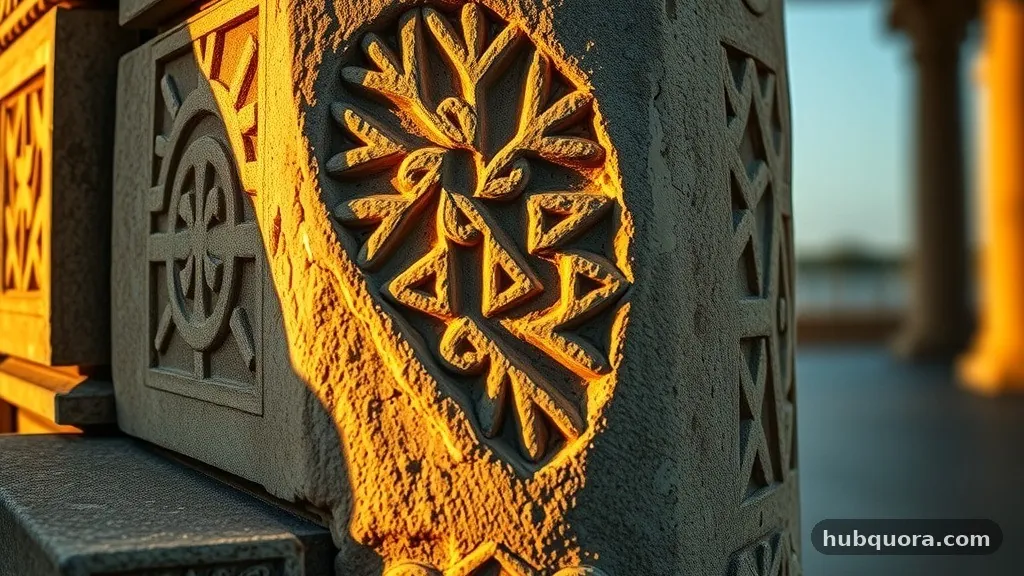
The subhanallah meaning is anchored in the concept of Tanzih, which refers to the declaration of God’s transcendence. In the Arabic language, the root word signifies the act of distancing or removing something from an undesirable state.
When a believer says “Subhanallah,” they are confirming that the Creator is free from any human-like characteristics, such as sleep, fatigue, or injustice. This declaration is a fundamental tenet of monotheism, ensuring that the human mind does not inadvertently equate the infinite nature of the Divine with the finite nature of creation.
Theological scholars emphasize that this phrase is not merely a rote repetition but a conscious act of intellectual and spiritual alignment. By acknowledging that God is free from imperfection, the believer is also forced to recognize their own limitations. It is a humbling exercise.
You cannot truly grasp the perfection of the Creator while clinging to your own pride. In this sense, the utterance acts as a mirror, reflecting the vast gap between the created and the Creator, while simultaneously bridging that gap through the act of praise. When you say subhanallah, you are essentially recalibrating your perspective on reality.
The Role of Subhanallah in Daily Dhikr
Integrating this phrase into your daily routine is a practice known as dhikr. In Islam, the act of remembering God is considered essential for maintaining a peaceful and focused heart.
Many believers incorporate this specific expression into their post-prayer rituals, often repeating it alongside other phrases like Alhamdulillah (All praise is due to Allah) and Allahu Akbar (Allah is the Greatest). This rhythmic repetition is not intended to be mechanical; rather, it is designed to permeate the consciousness until the state of awareness becomes a constant presence in one’s life.
There are specific times when the use of this expression is particularly encouraged. Many scholars point to moments of transition, such as waking up, finishing a task, or witnessing something that triggers a sense of wonder. By turning to these words, a person ensures that their internal monologue is consistently oriented toward the divine.
It transforms mundane activities into acts of worship. When you find yourself overwhelmed by the chaos of modern life, stepping back to recite this word can provide immediate mental clarity and emotional grounding. It shifts the focus from the problem at hand to the perspective of the eternal.
Subhanallah, Alhamdulillah, and Allahu Akbar
The relationship between these three phrases is central to the spiritual life of a Muslim. They are often used together as a triad of remembrance. While the subhanallah meaning focuses on the perfection and transcendence of the Divine, Alhamdulillah expresses gratitude for His blessings, and Allahu Akbar affirms His greatness above all else.
Together, these phrases create a comprehensive framework for interacting with the world. You see the imperfection of the world, you recognize the grace provided to you, and you affirm that the Creator remains supreme.
These phrases are not just random utterances; they reflect a holistic worldview. If you look at the life of the Prophet Muhammad, he frequently encouraged his followers to utilize these expressions to keep their hearts soft and their intentions pure. For example, he taught that reciting these phrases a certain number of times after each prayer provides a spiritual cleansing.
This practice is supported by historical texts and traditions that highlight the virtues of consistent remembrance. You can find more detailed scholarly commentary on these practices through the Al-Islam portal, which offers extensive resources on the history and application of Islamic devotional practices.
Expressing Awe and Wonder at Creation

One of the most natural ways to use this expression is when you encounter the beauty or complexity of the natural world. Whether it is the intricate patterns of a flower, the vastness of the ocean, or the complexity of human biology, the subhanallah meaning fits perfectly as an exclamation of awe.
It is the verbal equivalent of “Glory to the Creator.” When you see the majesty of a mountain range or the precision of a star system, the phrase serves as an acknowledgement that such perfection could not be accidental.
This practice of observing and praising is a key element in developing a deeper sense of love for the Divine. By constantly attributing the beauty you encounter to the Creator, you begin to see the world as a sign or a reflection of His attributes. It changes how you interact with your environment.
Instead of seeing a tree as merely wood or a resource, you see it as a manifestation of divine design. This shift in perception is one of the most powerful benefits of the practice. It prevents the heart from becoming hardened or cynical, keeping it open to the constant stream of wonders that exist in the mundane.
Subhanallah Meaning in Times of Difficulty
While it is often used during times of joy or beauty, the phrase is equally potent during periods of struggle. When you face an injustice or a trial that seems to contradict the idea of divine perfection, saying “Subhanallah” acts as an anchor.
It is a reminder that while your human experience is limited and often flawed, the Divine plan remains perfect and beyond your current comprehension. It is a way of saying, “I do not understand this, but I trust in the perfection of the Creator.”
This perspective is crucial for maintaining mental and spiritual health. It allows a person to detach from the immediate pain of a situation and find solace in the fact that there is a higher intelligence at work. By recognizing that God is free from the flaws of human nature—such as cruelty, ignorance, or forgetfulness—you can find peace even in the midst of turmoil.
The saying subhanallah becomes a shield against despair. It helps you navigate the complexities of life without losing your faith or your sense of purpose, even when the path forward is obscured by shadows.
Comparative Table of Common Remembrance Phrases
To better understand how these expressions function within a daily routine, it is helpful to contrast their primary focus. While they are often recited together, they each serve a distinct spiritual function.
| Phrase | Primary Meaning | Spiritual Context |
|---|---|---|
| Subhanallah | Glory be to Allah (Free from imperfection) | Transcending limits and acknowledging divine perfection. |
| Alhamdulillah | All praise is due to Allah | Expressing gratitude and acknowledging blessings. |
| Allahu Akbar | Allah is the Greatest | Affirming supremacy over all worldly concerns. |
| La ilaha illallah | There is no god but Allah | Affirming monotheism and the unity of the Divine. |
The Concept of Perfection in Islam
The subhanallah meaning is intrinsically tied to the Islamic concept of Tawhid, or the absolute oneness of God. In this theological framework, perfection is an attribute that belongs solely to the Creator. All of creation, by definition, is flawed and incomplete.
When you recognize that everything around you—including yourself—is subject to change, decay, and limitation, the declaration of God’s glory becomes a necessary intellectual exercise. It is the ultimate truth that keeps the believer grounded.
This concept also serves as a check against idolatry. When you start to view a person, an object, or an ideology as “perfect,” you are effectively raising it to the level of the Divine. By repeating the phrase, you are constantly reminding your subconscious that nothing in this world is worthy of the absolute status reserved for the Creator.
It is a safeguard for the mind. It helps you avoid the pitfalls of hero-worship or materialism, ensuring that your ultimate devotion remains focused on the only entity that is truly free from the constraints of existence.
Learning the Deeper Virtues of Dhikr

To learn more about the benefits of this practice, one must look at the consistency of the Prophet Muhammad. His life was the embodiment of constant remembrance. He was known to engage in dhikr in every state—standing, sitting, and lying down.
This level of dedication is the goal for many who seek to purify their hearts. The virtues associated with these words are not just about earning rewards in the afterlife; they are about transforming the quality of life here and now.
When you make it a habit to say subhanallah frequently, you start to notice a change in your own behavior. You become more patient, more observant, and less prone to impulsive reactions. The phrase acts as a buffer.
Before you speak in anger, the memory of the Divine perfection can intervene. Before you act in greed, the acknowledgment that the Creator is the source of all things can pull you back. It is a subtle, internal mechanism that shapes your character over time, turning you into a more reflective and conscious individual.
Common Misconceptions and Clarifications
A common error is to treat the phrase as a superstitious charm or a magical incantation. Some might believe that repeating it a specific number of times will automatically grant them a specific worldly result. However, the true subhanallah meaning is about the internal state of the speaker, not the external manipulation of events.
It is a tool for spiritual development, not a vending machine for desires. When you approach it with the right intention, the focus remains on the relationship with the Creator rather than the transactional nature of the request.
Another misconception is that it is only for “holy” people or scholars. In reality, the practice is meant for everyone. Whether you are a student, a parent, a professional, or a retiree, the need for spiritual grounding is universal.
You do not need to be in a mosque to say subhanallah. You can whisper it in your car, think it during a meeting, or reflect on it while doing chores.
The beauty of the phrase lies in its accessibility. It is a portable sanctuary that you carry with you, ready to be deployed whenever your heart needs to return to its center.
Practical Steps to Incorporate the Phrase
If you are looking to integrate this practice into your life, start small. You don’t need to commit to thousands of repetitions immediately.
The key is consistency over volume. Here are a few ways to begin:
- Start your day by saying it three times after waking up to set your intention.
- Use it as a pause button when you feel yourself getting stressed or angry during the workday.
- Recite it when you are in nature to acknowledge the beauty of the environment.
- Say it before you begin a difficult task to remind yourself that the outcome is ultimately in the hands of the Creator.
- Use it as a concluding thought when you finish a prayer or a period of meditation.
By following these simple steps, you will find that the phrase becomes a natural part of your vocabulary. It will eventually move from being a conscious effort to an automatic response to the world around you. This is the stage where the meaning truly begins to take root in your heart, changing the way you interpret your experiences and how you relate to the people and events in your life.
Addressing Topical Gaps in Understanding
One of the most frequent questions regarding the subhanallah meaning is how it differs from other expressions of praise. While many people use these terms interchangeably, there is a clear distinction in their semantic weight. “Subhanallah” is about the nature of God—His absolute perfection.
“Alhamdulillah” is about the action of God—His generosity and the blessings He provides. “Allahu Akbar” is about the status of God—His superiority over everything else. Understanding these nuances helps you use the right words for the right situation, making your dhikr more precise and meaningful.
Another gap is the role of the heart versus the tongue. Many worry that saying the words without a deep, overwhelming feeling of emotion makes them insincere. However, the tradition emphasizes that the tongue and the heart work in tandem.
Sometimes the heart follows the tongue. By consistently using the words, you are inviting your heart to catch up.
Do not be discouraged if you don’t feel a mystical surge of emotion every time you speak. The act of remembrance is a discipline, and like any muscle, it grows stronger with regular exercise.
FAQ Section
What is the core subhanallah meaning?
The phrase translates to “Glory be to Allah” or “Far is Allah from imperfection.” It serves as a declaration of God’s transcendence, acknowledging that the Creator is entirely free from the flaws, limitations, and human characteristics that define the created world.
When should I say subhanallah?
You can say it at any time, but it is especially recommended when you witness something beautiful, encounter a sudden change in circumstances, or feel overwhelmed by worldly stresses. It is also a standard part of daily dhikr, often recited after prayers to maintain spiritual focus.
Is there a difference between subhanallah and mashallah?
Yes, they serve different purposes. While subhanallah is used to declare God’s perfection and transcendence, mashallah is used to express appreciation or acknowledgment that something has happened by the will of God, often to ward off envy when seeing something positive or beautiful.
Does saying this phrase require special preparation?
No, there is no formal requirement or ritual needed to say it. While it is often practiced during formal prayer, you are encouraged to use the phrase in your daily life, regardless of your physical location or current activity, as a way to keep your thoughts aligned with the Divine.

James Wilson is the founder and lead editor of HubQuora.com, where he covers the latest celebrity news, entertainment trends, viral gossip, and net worth stories. With a passion for pop culture and digital media, James delivers engaging, accurate, and up-to-date content that keeps readers informed about the world of celebrities, influencers, and entertainment industry buzz.