
The tfw meaning has become a cornerstone of digital communication, acting as a shorthand for expressing a specific, often relatable, emotional state. If you have spent any time on platforms like Twitter, Reddit, or Instagram, you have likely seen this acronym paired with a photograph or a short video clip.
It serves as an emotional anchor, helping the writer convey a sentiment that would otherwise take several sentences to explain. At its core, the term is a bridge between text-based communication and visual culture, allowing users to share a feeling without needing an elaborate explanation.
Understanding the Core Definition of TFW

The most direct answer to what this term represents is “that feeling when.” It is an acronym that functions as a prefix for a statement, usually describing a highly specific, often humorous or frustrating, situation.
When people use it, they are inviting the reader to empathize with a particular moment. By framing a caption with these three letters, the user signals that they are about to share an experience that is universally understood or at least highly relatable to a specific subculture.
The meaning of the term is deeply rooted in the concept of shared experience. It is not just about describing an event; it is about describing the internal response to that event. Whether it is the exhaustion of a Monday morning or the relief of finishing a long-term project, the phrase acts as a linguistic trigger.
It signals to the audience that they should look at the attached image or video and recognize a mirror of their own lives. This is why it has become so pervasive on social media—it is built for the rapid, visual-heavy nature of modern communication.
The Evolution of Internet Slang and Acronyms
Language is a living, breathing entity that changes rapidly, especially when accelerated by the internet. New terms emerge not because people want to complicate language, but because they want to make it more efficient. In the early days of the web, character limits on platforms like Twitter forced users to find ways to say more with less.
The tfw meaning fits perfectly into this historical context of digital brevity. It allows for a high density of emotional information in a very small character count.
Many linguistic experts at organizations like Merriam-Webster observe that digital shorthand is not a degradation of language but an adaptation. We have moved from formal, paragraph-based communication to rapid-fire exchanges where timing and tone are everything. Using this shorthand allows a user to “get” the point across instantly.
It is a way of signaling membership in an online community. If you understand the term, you are part of the “in-group” that understands how to communicate in the modern world.
How TFW Connects with Visual Media
A major reason for the popularity of this term is its symbiotic relationship with visual content, particularly the gif. Text alone can sometimes feel flat or ambiguous.
When you add a moving image—a clip of someone looking confused, a character from a movie sighing in relief, or a pet doing something silly—the context becomes immediately clear. The text provides the “what,” and the image provides the “how.”
This combination is essentially a modern form of storytelling. When someone posts an image of a cat looking fed up and captions it with the term, they are essentially saying, “This is the exact way I feel right now.” It is a shorthand for emotional expression.
By using tfw in this way, users avoid the need for complex descriptive writing. They rely on the audience’s ability to decode the visual cues provided in the media. This is a highly efficient way to communicate, and it explains why the practice has persisted for so long across various platforms.
Contextual Usage Across Different Platforms
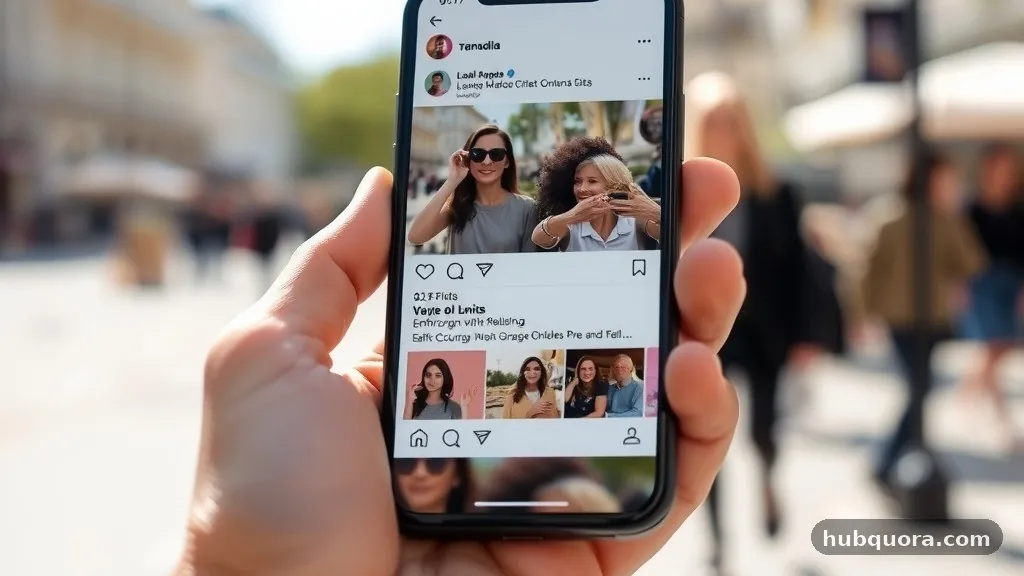
The way people deploy this term varies depending on the platform they are using. On Twitter, it is often used for quick, biting commentary on current events or personal anecdotes.
On platforms like Reddit, it is frequently used to title posts in subreddits dedicated to memes, where the image and the text work together to create a punchline. The flexibility of the acronym means it can be used for everything from self-deprecating humor to genuine expressions of joy.
| Platform | Primary Use Case | Tone |
|---|---|---|
| Quick commentary on daily life | Sarcastic or ironic | |
| Humorous photo captions | Relatable and lighthearted | |
| Context for meme images | Community-focused | |
| Work Chat | Venting about office tasks | Professional but informal |
As seen in the table above, the environment changes how the term is received. In a professional setting, it might be used to bond with a coworker over a difficult project.
On a public feed, it is used to build a connection with a larger audience by highlighting a common struggle. The meaning remains the same, but the intent shifts based on who is watching.
The Psychology of Relatability
Why do we feel compelled to share these moments? The psychological drive behind the tfw meaning is the human desire for validation. When we experience something—especially something annoying or absurd—we want to know that we are not alone.
By posting a meme with this caption, we are asking a question: “Does anyone else feel this way?” When others like or share the post, they are providing that validation.
This cycle of posting and reacting creates a sense of community. It is a digital version of “commiserating at the water cooler.” Even if the experience is trivial, the act of sharing it transforms a private, isolated moment into a collective one.
This is the power of social media; it turns our internal lives into a shared public experience. The acronym is the key that opens the door to this shared understanding. It is a signal that says, “I am human, I feel things, and I bet you do too.”
Common Examples of TFW in Daily Life
To really grasp how this term works, it helps to look at concrete examples. People often use it to describe the peak of a specific emotion. Here are a few common ways it appears in the wild:
- TFW you realize it is only Tuesday and you are already exhausted.
- TFW you finally find the keys you lost twenty minutes ago.
- TFW your coffee is the perfect temperature on the first sip.
- TFW you send a text to the wrong person and the dots start bubbling.
- TFW you successfully finish a task you have been putting off for weeks.
Each of these examples relies on a shared, visceral reaction. You do not need to explain why a Tuesday feels long or why finding keys is satisfying. The reader already knows.
The term acts as a shortcut that skips the setup and gets straight to the punchline or the emotional core. By using tfw, the author assumes the reader is already on the same page, which creates an immediate sense of intimacy between the poster and the viewer.
Addressing Misconceptions and Variations

Sometimes people get confused about the meaning of the term because they mistake it for other similar acronyms. For instance, some might confuse it with “TMI” (too much information) or “TBT” (throwback Thursday). However, the grammatical structure is quite different.
The term is essentially a noun phrase that requires a visual to complete its thought. It is not just an abbreviation; it is a sentence fragment that serves as an introduction to a feeling.
There are also regional and platform-specific variations. In some gaming communities, it might be used to describe the feeling of losing a match in a particularly frustrating way. In others, it might be used to celebrate a hard-won victory.
The beauty of the term is that it is infinitely adaptable. It is not locked into one specific definition by a formal dictionary; rather, it is defined by how people actually use it in their daily lives. This fluidity is exactly what makes it so resilient.
The Role of Irony and Sarcasm
A significant portion of internet culture is built on layers of irony, and this term is no exception. Often, the tfw meaning is used to highlight a situation that is intentionally exaggerated or absurd.
For example, someone might post a picture of a disaster with a caption that describes a minor inconvenience. This contrast between the image and the text is where the humor lies.
This is a form of digital satire. By using the phrase to frame something ridiculous, the user is making fun of the very act of oversharing. It is a meta-commentary on how we express ourselves online.
We are aware that we are sharing our feelings, and we are aware that it is a bit silly, so we use this acronym to lean into that silliness. It is a way of saying, “I know this is dramatic, but it’s funny, isn’t it?” This self-awareness is a hallmark of modern internet communication.
Topical Gaps: What You Might Not Know
Many people ask if the term has a formal origin, but the truth is that it emerged organically from the early 2010s meme culture. It did not have a single inventor. Instead, it was a collective linguistic shift.
One of the most common questions is whether it can be used in formal writing. Generally, the answer is no.
It is strictly a tool for informal, digital, or conversational contexts. Using it in a business report or an academic paper would likely be seen as unprofessional, as it relies on the cultural context of social media to make sense.
Another gap in common understanding is how the term interacts with audio-visual media. While it started with still images, it is now frequently used with short-form videos on platforms like TikTok. The term remains the same, but the medium has become more immersive.
It is a testament to how well the phrase works as a conceptual container. No matter how the technology changes, the need for a shorthand to describe a specific internal state remains constant.
Future Trends for Digital Shorthand
As we move forward, it is likely that these types of acronyms will continue to evolve. We are seeing a shift toward even more visual-heavy communication, where emojis and stickers are beginning to replace text entirely.
However, the need to label or “tag” our emotions will likely persist. The tfw meaning will probably stay relevant because it captures a universal human experience: the search for empathy in a digital space.
We might see new variations emerge that are even more specific. Just as we have developed a shorthand for “that feeling when,” we may develop new terms for even more nuanced emotional states. The internet acts as a massive testing ground for language, and only the most useful terms survive.
This term has survived because it is simple, versatile, and deeply human. It connects us through our shared experiences, and that is a function that will never go out of style.
FAQ Section
What does the acronym TFW stand for?
TFW stands for “that feeling when.” It is a popular internet shorthand used as a prefix to describe a specific, relatable emotional state or situation, typically accompanied by an image or video that illustrates the feeling being described by the user.
Is TFW considered proper English?
No, it is not considered proper English for formal writing. It is a piece of digital slang or an acronym used primarily in casual, online communication. It belongs to the category of internet shorthand, similar to acronyms like LOL or BRB, and should be avoided in professional contexts.
How do I use TFW correctly in a post?
You use it by placing the acronym at the beginning of a sentence to set up a relatable scenario, then following it with an image or video that visually represents that feeling. For example, “TFW your alarm goes off and you realize it is Monday.”
Does TFW always have to be about a negative feeling?
Not at all. While it is often used for humorous, frustrating, or ironic situations, it is equally common to use it for positive or neutral feelings. You can use it to describe the joy of a perfect cup of coffee or the relief of a weekend starting.

James Wilson is the founder and lead editor of HubQuora.com, where he covers the latest celebrity news, entertainment trends, viral gossip, and net worth stories. With a passion for pop culture and digital media, James delivers engaging, accurate, and up-to-date content that keeps readers informed about the world of celebrities, influencers, and entertainment industry buzz.